Murchison Falls
July 2, 2026
Murchison Falls National Park Small Group Safaris
July 2, 2026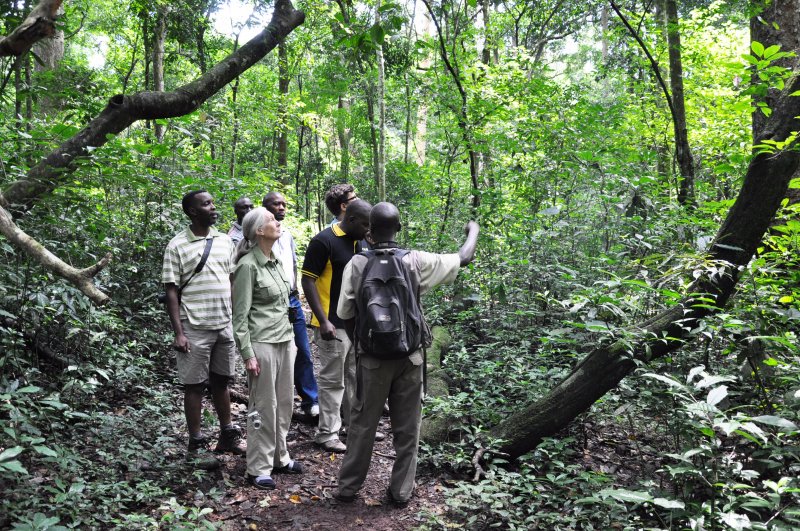
Rabongo Forest
Rabongo Forest is a tropical forest located in the south-eastern part of Murchison Falls National Park, approximately 90 minutes by road from Paraa Safari Lodge.
It sits at the base of Rabongo Hill, the park’s highest peak, and the hill’s elevation contributes to the rainfall that sustains the forest in an area that would otherwise be too dry for closed-canopy woodland. The Wairingo River runs through the forest, providing year-round water for both wildlife and the vegetation that lines its banks.
The trees in Rabongo are dominated by mahogany and ironwood species, some growing to 60 meters and more. Their buttressed bases, wide enough to shelter under, and interlocking canopies create a cathedral effect inside the forest that is immediately different from anything you experience on the open savannah just outside.
The forest floor is shaded and cool even in the hottest months, and the leaf litter underfoot deadens sound in a way that makes moving through Rabongo feel quieter and more enclosed than walking through the larger forests at Budongo or Kaniyo Pabidi.
Safari Activities in Rabongo Forest | Things to Do at the Forest
Guided Nature Walks
The guided nature walk is the main activity in Rabongo Forest, and it is well suited to the forest’s character. There are no formal, fixed trails in the way that Kaniyo Pabidi or the Royal Mile at Budongo have clearly defined routes. Instead, guides lead visitors through the forest interior along paths they know from experience, adapting the route depending on where wildlife has been active recently and what visitors want to see. A typical walk lasts two to three hours and covers the forest.
Chimpanzee Trekking
Chimpanzee trekking can be arranged in Rabongo Forest through the Uganda Wildlife Authority rangers, though it should be understood as a more exploratory experience than the structured treks available at Kaniyo Pabidi. The chimps in Rabongo are not fully habituated, and their movements are less predictable.
Birdwatching
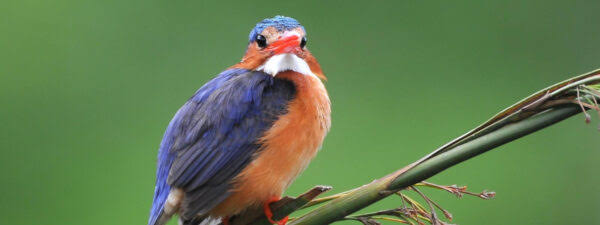
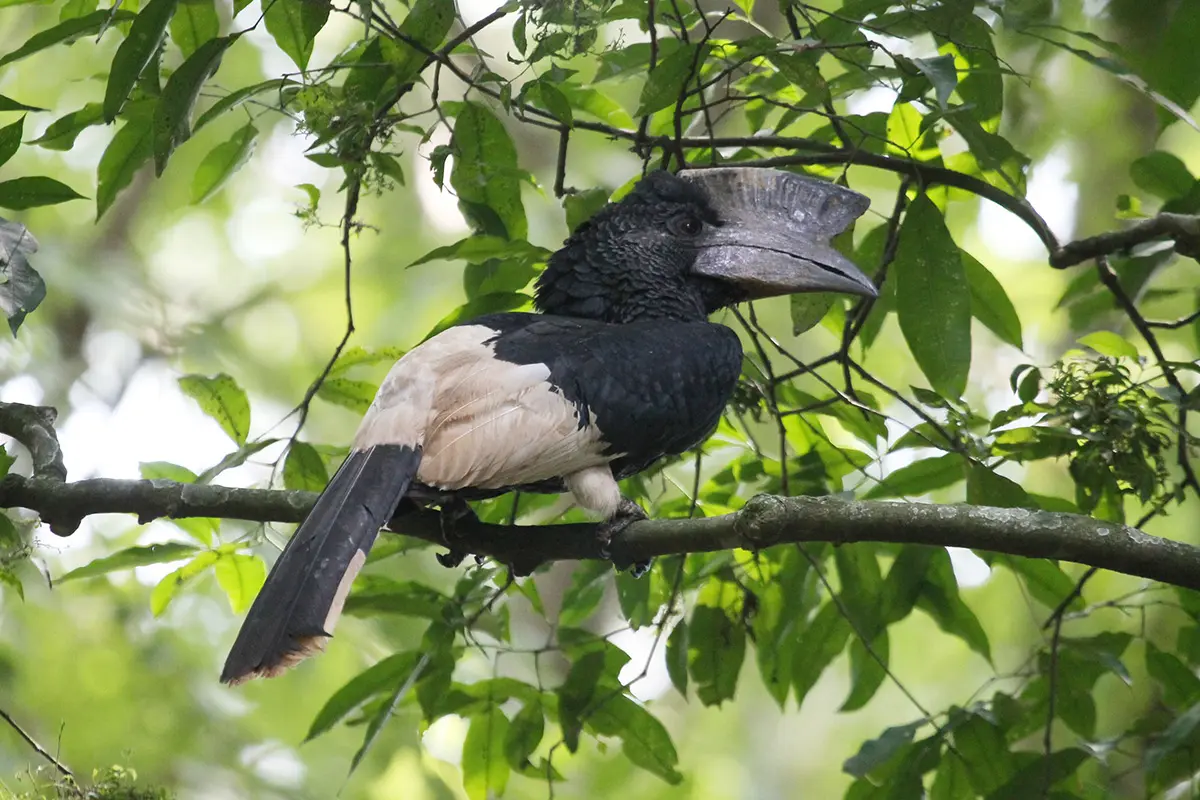
Birdwatching in Rabongo Forest works well as either a standalone half-day activity or as a component of a nature walk. A guide with knowledge of the forest bird community significantly improves the experience, both for identification and for locating the species in difficult canopy conditions. Migratory species between November and April add variety to the resident list.
Game Drives on the Rabongo Road
The road to Rabongo Forest passes through a section of the southern park. The area around the Rabongo Road and the Honeymoon Track in the south-central park holds herds of Uganda kob that in turn attract lion prides.
Park Fees for Rabongo Forest
Rabongo Forest is within Murchison Falls National Park. All visitors pay standard park entry fees before entering the forest. Activity fees are charged separately. Fees are set by the Uganda Wildlife Authority.
Entry fees cover a 24-hour period from the time of entry. Payment is accepted by credit card, mobile money (MTN or Airtel), or cash at the park gate. If you are booked through a registered tour operator, park fees are usually included in your package. Confirm current rates before travel as the UWA revises tariffs periodically.
| Fee Category | Foreign Non-Residents | Foreign Residents | EAC Citizens |
| Park Entry — Adult (per day) | USD 45 | USD 35 | UGX 25,000 |
| Park Entry — Child (5–15 yrs) | USD 25 | USD 20 | UGX 10,000 |
| Park Entry — Child (under 5) | Free | Free | Free |
| Guided Nature Walk (per person) | USD 15 | USD 15 | UGX 20,000 |
| Birdwatching Guide (half day) | USD 30 | USD 25 | UGX 30,000 |
| Birdwatching Guide (full day) | USD 40 | USD 35 | UGX 50,000 |
| Chimpanzee Tracking Permit | USD 130 | USD 120 | UGX 85,000 |
| Camping (UWA site, per person/night) | USD 40 | USD 40 | UGX 40,000 |
| Game Drive (guided, per vehicle) | USD 30–50 | USD 30–50 | UGX 50,000–80,000 |
| Vehicle Entry — Safari 4WD | USD 150 | USD 30 | UGX 30,000 |
What Is the Best Time to Visit Rabongo Forest?
Dry Season: December to February and June to September
The dry season is the most comfortable and practical time to visit Rabongo Forest. The walking trails through the forest interior and along the Wairingo River are firm and dry. The forest roads, which are unpaved in the park’s southern sector, are navigable without difficulty. Wildlife viewing is generally better in the dry months, when animals concentrate near the Wairingo River and the forest-savannah edge more predictably. The short grass of the surrounding savannah also makes it easier to spot large mammals coming to drink at the river.
Rabongo Forest
June through September is peak season across Murchison Falls National Park, and while Rabongo itself is rarely crowded even during these months, accommodation in the park fills up and should be booked in advance. December through February is the other dry window and is considerably quieter in terms of visitor numbers, making it a good time to have the forest largely to yourself.
Wet Season: March to May and October to November
The wet season brings its own advantages to Rabongo. The forest is at its most alive and colorful, with fresh growth on every level from the forest floor to the canopy. Birdwatching in the wet season can be excellent, particularly between November and April when migratory species are present. The downside is that the tracks leading to Rabongo can become muddy and difficult in heavy rain, and the forest interior gets slippery. A 4WD vehicle is necessary for visits in the wet season, and some tracks in the southern sector may be impassable after sustained rainfall.
June and July, the drier months within the wet season period, offer a reasonable compromise—the forest is still green and active, rain is lighter than in April and May, and wildlife is more mobile than in the hottest dry months. If you are visiting between June and July specifically for birdwatching, this can be a productive time at Rabongo.
Rabongo Forest is open to visitors throughout the year. No season is completely off-limits. The main practical considerations are road access in the wet season and heat management in the hottest dry months of January and February. Whatever time of year you visit, morning starts give the best wildlife and bird-watching conditions. The forest is coolest and most active in the two hours after dawn.
Getting to Rabongo Forest
Rabongo Forest is approximately 90 minutes by road from Paraa Safari Lodge, traveling southeast through the park’s interior on marram roads. The forest lies in the south-eastern corner of Murchison Falls National Park, accessed via the Rabongo road that branches off the main Masindi to Paraa route. A 4WD vehicle is required for the approach, and in the wet season the road requires a high-clearance vehicle with good ground clearance. From Kampala, the total journey is approximately five to six hours via Masindi and the Kichumbanyobo Gate, then south-east through the park interior to the forest.
Visitors staying at lodges in the Paraa area can arrange a guided day trip to Rabongo through their lodge or a registered tour operator. The 90-minute drive each way means the forest is best visited as a full half-day or full-day excursion rather than a brief stop. Domestic flights to Pakuba Airstrip inside the park bring Rabongo within a 90-minute drive without the long Kampala road journey.