Buligi Game Tracks
July 2, 2026
Karuma Falls
July 2, 2026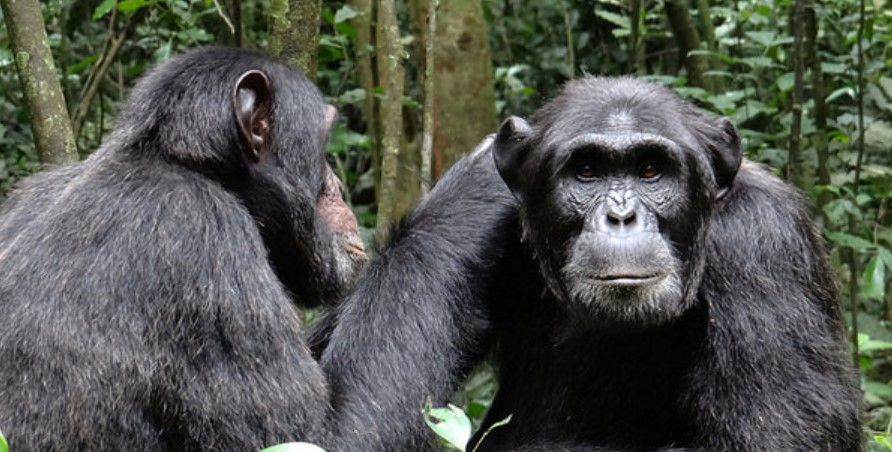
Kaniyo Pabidi Forest
Kaniyo Pabidi Forest is located in the southern part of the park, just 8 kilometers from the Kichumbanyobo Gate. The forest is home to over 120 wild chimpanzees, more than 360 bird species, nine types of primates, and trees so large and old you have to see them to believe they exist.
The forest covers 28 square kilometers and forms the northeastern tip of the Budongo Forest Reserve, one of Uganda’s largest surviving mahogany forests. Unlike much of Budongo, Kaniyo Pabidi was never commercially logged. The original buttressed mahogany and ironwood trees are still standing, the same ones that were here centuries ago. That is not something you can say about many forests in East Africa, and it is one of the reasons wildlife here is so rich.
Whether you are visiting Murchison Falls for the first time or returning for another game drive along the Nile, adding Kaniyo Pabidi into your itinerary will give you a side of Uganda that the savannah simply cannot offer.
Wildlife in Kaniyo Pabidi Forest
Chimpanzees
Chimpanzees are one of the reasons why most people come to Kaniyo Pabidi. The forest holds one of the densest chimpanzee populations in Uganda, with roughly 6.5 individuals per square kilometer and over 120 chimps living here year-round.
Trekking success rates average around 80 percent on any given day, which is high. When you find the group, you have a full hour with them. That is enough time to watch individuals feed on figs, groom each other, chase one another through the branches, and drum loudly on tree buttresses to communicate with groups further off in the forest.
Other primates
Beyond chimpanzees, the forest holds eight other primate species. Black and white colobus monkeys are among the most visible, moving in family groups through the higher canopy. Red-tailed monkeys and blue monkeys are common in the midstory. Large troops of olive baboons patrol the forest floor and forest edge. Pottos, small and slow-moving nocturnal primates, also live here, though you need a guided night walk to have any chance of seeing them.
Mammals
Larger animals cross in from the surrounding savannah. Elephants and buffaloes visit the salt licks along the Wainsoke River, especially in the early morning.
Waterbucks, bushbucks, and duikers are regularly seen along the forest edge. Lions and leopards occasionally pass through at night, and while daytime sightings are uncommon, hearing a leopard call from inside a forest camp is an experience that stays with you.
Birds
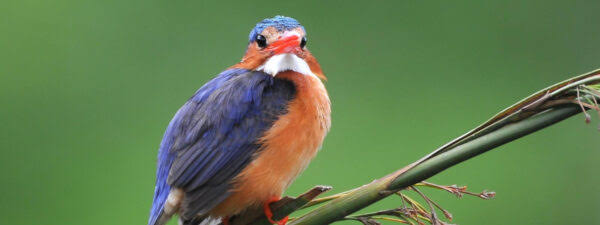
For birdwatchers, Kaniyo Pabidi is one of the finest sites in Uganda. Over 360 bird species have been recorded here, including two that are endemic to this forest and the neighboring Budongo: the yellow-footed flycatcher and Puvel’s illadopsis.
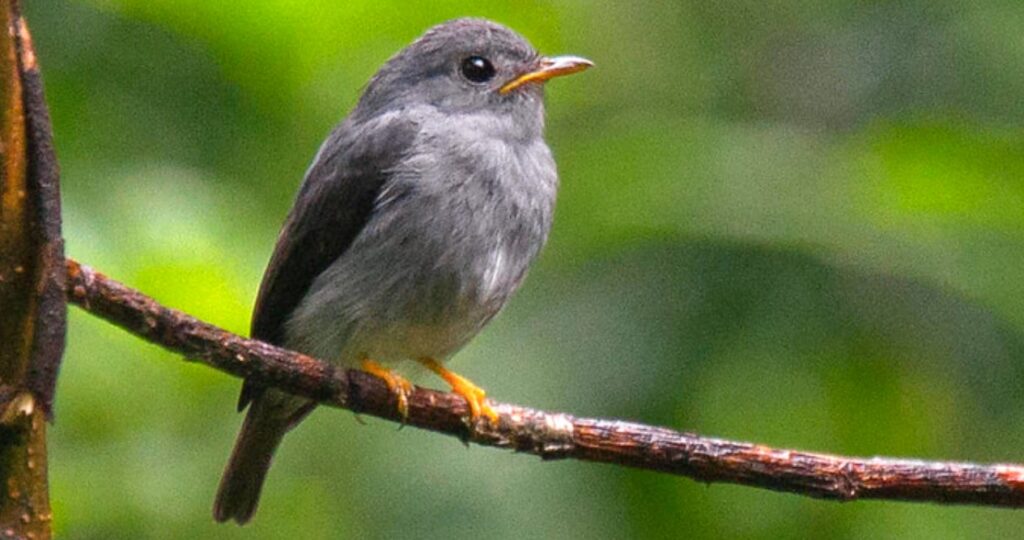
Yellow-footed flycatcher
These two species are found nowhere else in East Africa, which draws serious birders from around the world. Other species regularly seen include the White-thighed Hornbill, Chocolate-backed Kingfisher, African Dwarf Kingfisher, Great Blue Turaco, Narina Trogon, and several forest sunbirds. The forest also hosts 290 butterfly species and 130 moth species, and 465 recorded tree species make for excellent botanical walks.
Activities to Do in Kaniyo Pabidi
Chimpanzee trekking
Chimpanzee trekking is the main activity, and it is done twice a day, at 8:00 AM and 2:00 PM. Treks are led by Uganda Wildlife Authority rangers with deep knowledge of the forest and the chimpanzee groups within it.
The walk can take between two and five hours depending on where the chimps are ranging that day. Once you locate the group, you spend one hour observing them at close range. Permits cost around USD 120 per person, and trackers must be 14 years or older.
Chimpanzee Habituation
For a longer and more in-depth encounter, the chimpanzee habituation experience runs all day. You join the research team from early morning as they find the chimps in their sleeping nests and spend the full day watching the group go about their daily life. This activity is only available to adults aged 18 and above. The permit costs more than standard trekking, but the depth of experience is unmatched.
Birding
Birdwatching at Kaniyo Pabidi is excellent throughout the year. The forest has 115 kilometers of trails laid out in a grid system, and your guide can tailor a route to the species you are looking for. A 600-meter nature trail running along the forest edge was designed specifically for birders who want better views into the canopy without having to push deep into the forest. Morning hours are best, from 6:30 AM through to around 10:00 AM, when activity is highest.
Guided nature walks
Guided nature walks are available to everybody who wants to explore the forest on foot without focusing specifically on chimpanzees or birds. Guides explain the medicinal plants used by local communities, identify tree species, point out butterfly varieties, and share the ecology of how the forest works as a whole. From Pabidi Hill, on a clear morning, you get wide views across Murchison Falls National Park to Lake Albert and the hills of the Democratic Republic of Congo beyond.
Cultural Tours
Cultural visits to the communities living around the forest are also available. Local guides take you to nearby villages where you can see how people live, learn about traditional uses of forest plants, and purchase handmade crafts, including baskets, beadwork, and carved wooden items, directly from the artisans who make them. These visits are informal and relaxed, and the money goes straight to the families involved.
Best Time to Visit Kaniyo Pabidi
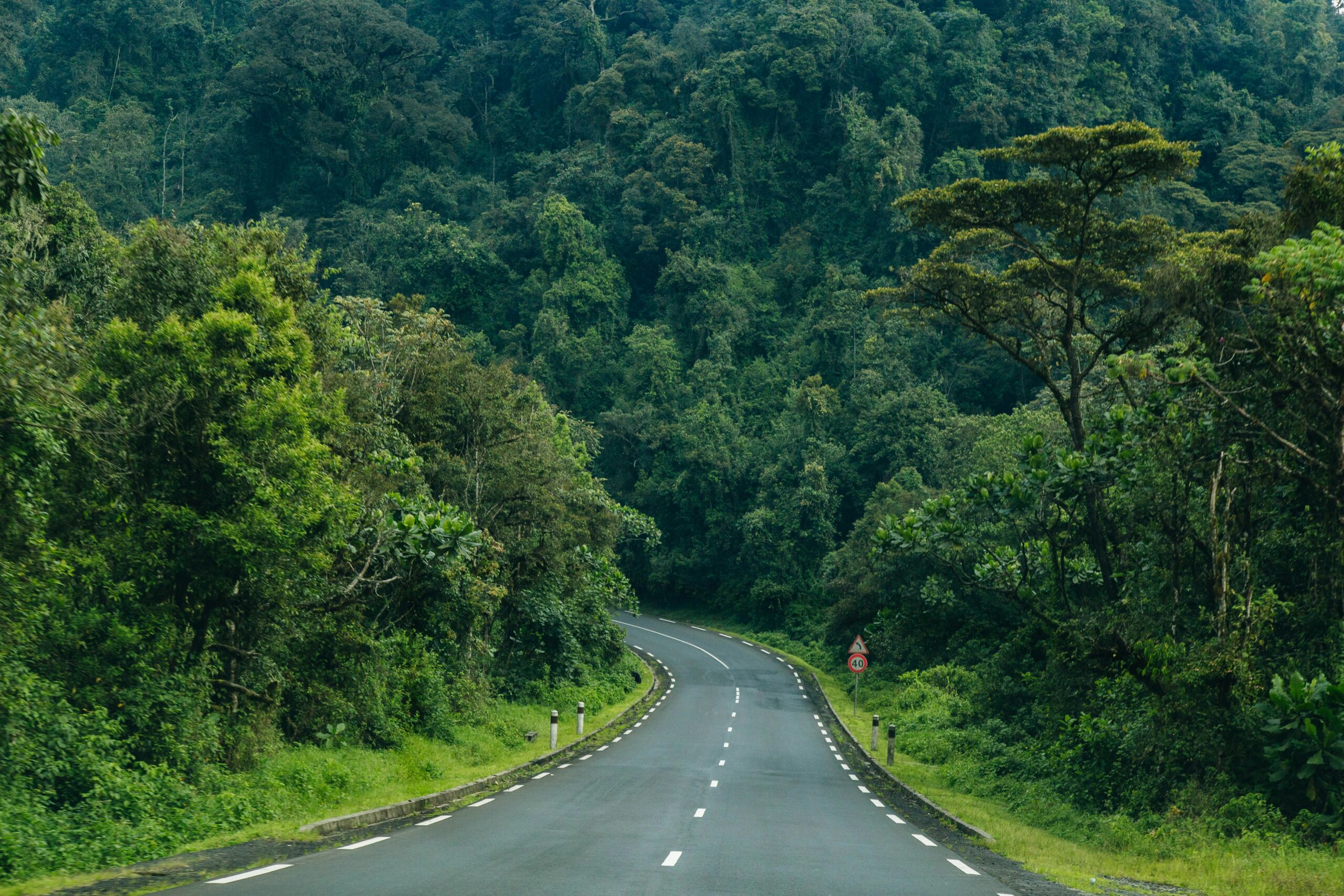
Kaniyo Pabidi Forest
The dry seasons are the best time to visit. Uganda has two of them: December through February and June through August. During these months the forest trails are dry and firm, the murram roads leading to the park are passable without difficulty, and chimpanzees tend to range in more predictable areas. If you are joining your Kaniyo Pabidi visit with a savannah game drive in Murchison Falls, the dry season is also when wildlife on the plains concentrates around water sources and is easier to spot.
The wet seasons, March to May and August to November, bring heavier rain that makes the trails muddy and some access roads slippery. A 4WD vehicle is a must during these periods. That said, the wet season has real advantages for birdwatchers. Migrant species arrive between November and April, breeding activity is high, and the forest is greener and lusher than at any other time of year. If birds are your main reason for visiting, the wet season is worth considering.
Kaniyo Pabidi is open all year round. Whatever time of year you visit, pack a rain jacket, wear good boots, and carry enough water for a half-day walk.
How to Get to Kaniyo Pabidi Forest
Kaniyo Pabidi is 220 kilometers north of Kampala, which works out to roughly a four-to-five-hour drive depending on traffic out of the city. The standard route goes through Masindi town, from where the forest is just 29 kilometers away, about 30 minutes on a murram road.
The main entry point for the forest is the Kichumbanyobo Gate in the southern section of Murchison Falls National Park. Visitors approaching from the north through Paraa can also reach Kaniyo Pabidi by crossing the Victoria Nile on the park ferry, then driving south.
There is no scheduled public transport to Kaniyo Pabidi. You need your own vehicle or a tour operator who will manage transfers as part of your safari package. The road from Masindi to the park is unpaved in places, and during the wet season, a 4WD vehicle is not optional. All visitors entering the park pay standard Murchison Falls National Park entry fees at the gate, separate from any activity permits booked at the forest.
Where to Stay Near Kaniyo Pabidi
The best accommodation option is Budongo Eco-Lodge, located directly at the Kaniyo Pabidi ecotourism site. The lodge offers simple banda-style rooms inside the forest, which means you wake up to birdsong and can be on the first chimpanzee trek of the day without any travel time.
Masindi town, 29 kilometers away, has a range of guesthouses and hotels at various budgets if you prefer a town base. Many visitors to Murchison Falls also choose to stay at lodges near Paraa and include Kaniyo Pabidi as a full-day excursion, which is a perfectly workable arrangement.