Packing List For A Uganda Safari In Murchison Falls National Park
July 2, 2026
Tembo Safari Lodge
July 2, 2026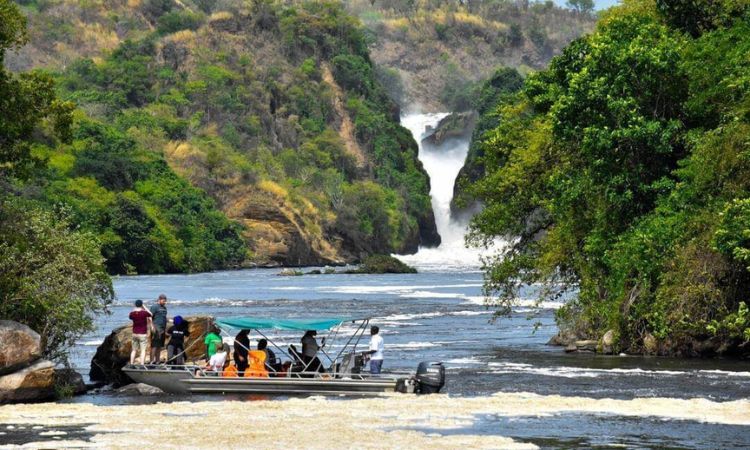
Planning A Safari In Murchison Falls National Park
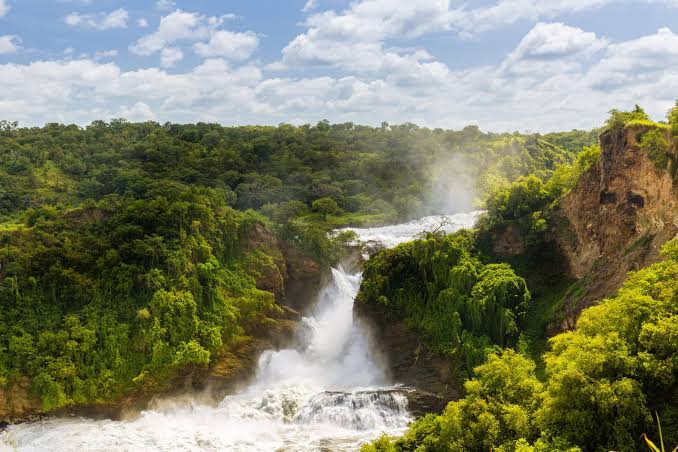
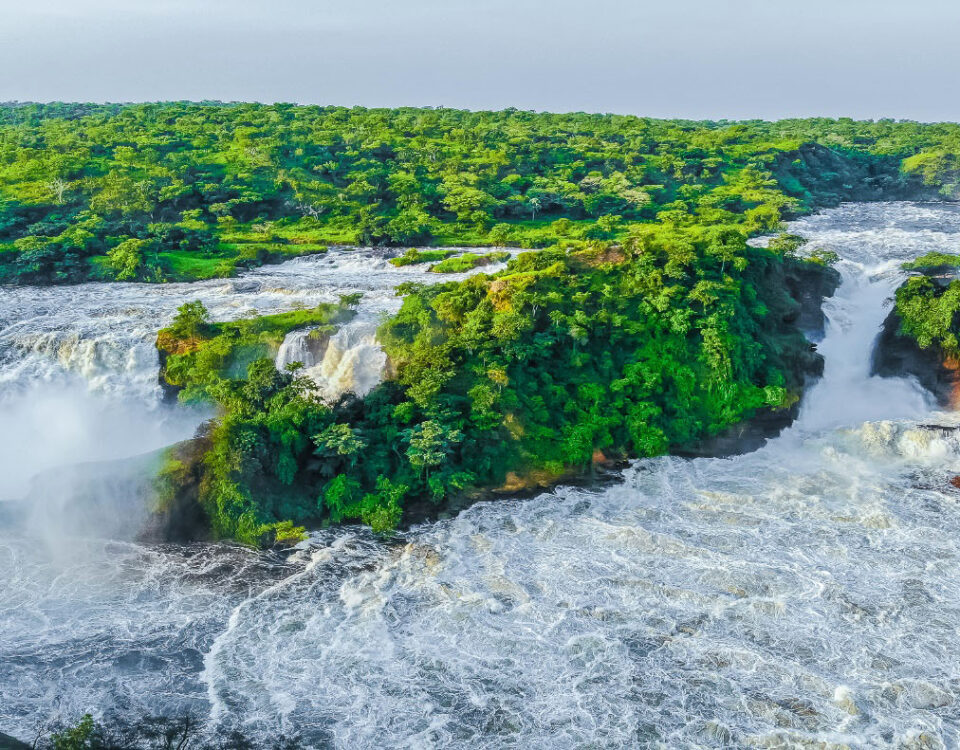
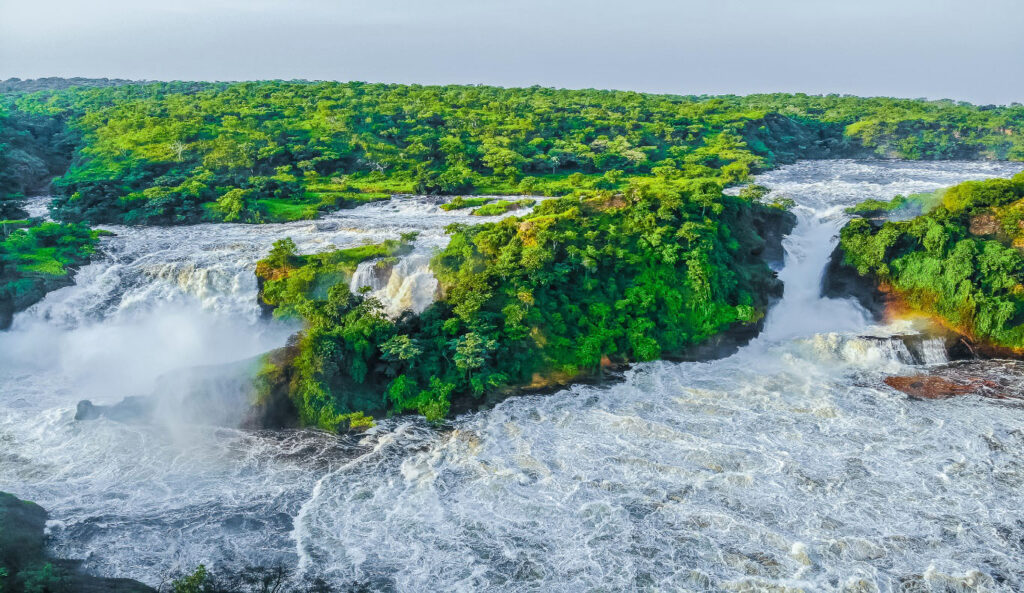
Planning A Safari In Murchison Falls National Park: Murchison Falls National Park is Uganda’s largest protected area, covering close to 3,840 square kilometers of savannah, woodland, and riverine wetland in the country’s northwest, and it carries the distinction of being Uganda’s oldest national park, established in 1952 specifically to protect the extraordinary biodiversity that gathers around the point where the Victoria Nile forces itself through a gorge barely seven meters wide and plunges forty-three meters into what early explorers called the Devil’s Cauldron.
The Murchison Falls National Park is located approximately 305 kilometers north of Kampala, spreading across the districts of Nwoya, Buliisa, Kiryandongo, and Masindi.
The Victoria Nile bisects the park into a northern and a southern section, connected by a vehicle ferry that operates from the Paraa crossing point at roughly hourly intervals through the day.
This division matters for planning purposes because the northern section, accessed via the ferry, contains the most productive game drive tracks and the highest concentration of large mammals, while the southern section holds most of the lodge accommodation and the access roads from Masindi.
The park forms part of the larger Murchison Falls Conservation Area, which, together with the adjoining Bugungu and Karuma Wildlife Reserves, covers over 5,300 square kilometers of connected habitat. This scale is part of what makes Murchison distinctive among Uganda’s parks: it offers savannah game viewing more reminiscent of classic East African plains safaris than the forest-based primate experiences that define much of the rest of the country.
Planning a trip here well means understanding what makes the park distinctive and building an itinerary around its actual highlights rather than a generic East Africa safari template.
This guide walks through every major planning decision: when to go, how long to stay, how to get there, what to actually do once you arrive, and how to put together a realistic budget. Whether you are organizing your first Uganda safari or adding Murchison to a longer Uganda circuit, the details below are drawn from how the park genuinely functions on the ground.
When to Plan Your Murchison Falls Safari
Uganda’s dry seasons, running from December through February and again from June through September, offer the most reliable game viewing conditions at Murchison. Roads within the park are more comfortable to drive, water sources become more concentrated and predictable, and wildlife congregates more visibly around them. These months represent the most popular travel windows and the best chances of clear views during the boat cruise to the base of the falls.
The months of March to May and November offer many advantages for travelers willing to accept some rain risk: noticeably fewer vehicles on the game tracks, lush green scenery that photographs beautifully, and often better rates from lodges looking to fill rooms outside peak demand.
Rain at Murchison tends to arrive as a defined afternoon shower rather than an all-day washout, so morning activities are rarely seriously disrupted even in the wetter months.
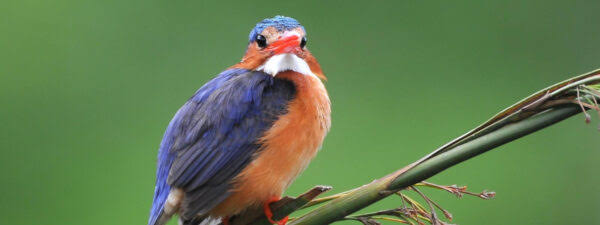
Birders should note that the shoebill stork, one of the park’s signature species, is most reliably seen in the delta area where the Victoria Nile meets Lake Albert during the drier months when water levels expose the swamp edges these reclusive birds favor.
How Many Days to Spend at Murchison Falls
3 days is the minimum for a satisfying Murchison Falls safari, allowing one full day of travel from Kampala or Entebbe, a complete day for the signature combination of a morning game drive followed by the Nile boat cruise to the base of the falls and the short hike to the top, and a final morning activity before departure.
Many operators offer 2-day packages from around 250 US dollars per person on a group basis, but these compress the experience considerably and leave little room if weather or wildlife sightings do not cooperate on schedule.
4 to 5 days allows considerably more depth: a second game drive across a different sector of the northern savannah, a half day or full day chimpanzee trekking excursion in Budongo Forest Reserve south of the park, and time for a stop at Ziwa Rhino Sanctuary en route, which is the only place in Uganda to see rhinos in the wild and sits conveniently along the main road between Kampala and Murchison.
Getting to Murchison Falls
Most visitors reach Murchison by road from Kampala or Entebbe, a journey of approximately five hours that passes through Masindi town. Two main entry routes exist from Masindi: the shorter route through Kichumbanyobo Gate and Kaniyo Pabidi Forest, covering roughly 85 kilometers to Paraa, and a longer but more scenic alternative through Bugungu Gate that crosses 135 kilometers, including a dramatic descent of the rift valley escarpment with views across Lake Albert toward the mountains of the Congo.
Domestic flights from Entebbe International Airport or Kajjansi Airfield to Pakuba or Chobe airstrips inside the park reduce the journey to under an hour and suit travelers with limited time or those combining Murchison with other parks on a multi-stop Uganda itinerary. The flight option costs considerably more than road transfer but eliminates a full day of driving each way, which matters on shorter trips.
Activities to Add to Your Itinerary
The Nile Boat Cruise
The boat cruise upstream from Paraa to the base of Murchison Falls is the single activity most visitors describe as the highlight of the entire trip. The three-hour round journey passes pods of hippos, basking Nile crocodiles, elephants and buffalo at the water’s edge, and a striking range of birdlife, including, with good fortune and the right water levels, the elusive shoebill stork.
As the boat approaches the base of the falls, the roar of the Nile forcing itself through the narrow gorge becomes physically audible, and the spray reaches the boat itself, producing one of the most visceral wildlife and landscape experiences available anywhere in East Africa.
Game Drives in the Northern Sector
The northern savannah, accessed via the Paraa ferry, contains the park’s most productive game tracks: the Buligi circuit, the Victoria track, and the Queen’s track; between them, they cover the territory where lions, elephants, Rothschild’s giraffes, buffalo, and Uganda kob are most consistently encountered.
Early morning departures, ideally on the first available ferry crossing around seven, put you on these tracks during the most active wildlife hours before the midday heat settles in.
The Top of the Falls Hike
A separate excursion to the top of Murchison Falls, reached by a short drive followed by a forty-five-minute walk through woodland, delivers a completely different perspective on the same waterfall seen from the boat below.
Standing at the edge of the gorge as the entire Victoria Nile forces itself through a gap barely seven meters wide is a genuinely visceral experience that most visitors rank alongside the boat cruise as essential rather than optional.
Chimpanzee Trekking in Budongo Forest
Budongo Forest Reserve, on the southern approach to the park near Masindi, offers chimpanzee tracking that adds a primate dimension to what is otherwise a classic savannah and river safari.
The forest also hosts black and white colobus monkeys, olive baboons, and excellent forest birding, making it a worthwhile half-day addition for travelers with time to spare.
| Trip Length | What It Realistically Covers | Best For |
| 2 days | One game drive, one boat cruise, falls viewpoint | Time-limited travelers, quick add-on |
| 3 days | Full game drive, boat cruise, top-of-falls hike | Standard first-time visit |
| 4 to 5 days | Two game drives, boat cruise, chimps, Ziwa rhinos | Comprehensive single park experience |
| 6 plus days | Murchison combined with Kibale or Queen Elizabeth | Multi-park Uganda circuit |
Budgeting for a Murchison Falls Safari
Park entrance fees set by the Uganda Wildlife Authority run 45 US dollars per adult per day for foreign nonresidents, with vehicle fees of around 150 US dollars for foreign-registered tour vehicles. Activity fees apply separately: the boat cruise costs approximately 30 US dollars and the top of the falls hike around 15 US dollars. These fees stack up across a multi-day visit and should be budgeted as a distinct line item rather than assumed to be included in lodge rates.
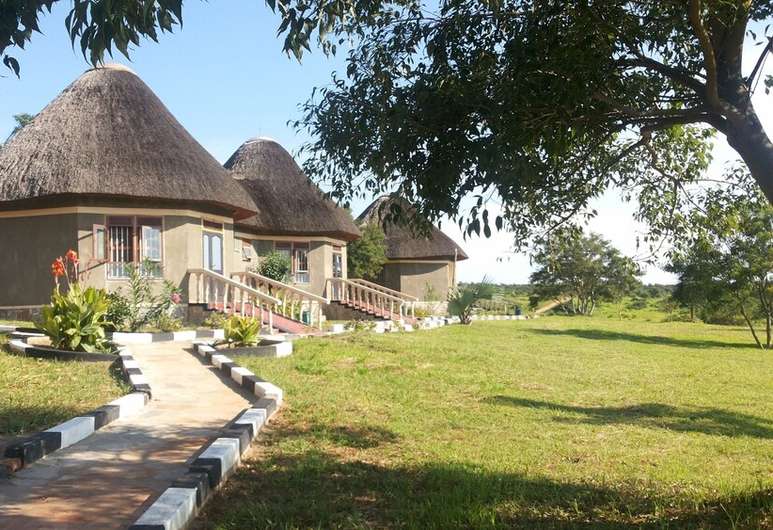
Parkside Safari Lodge
Accommodation spans the full range from roughly 30 US dollars per person for basic camping through to 500 US dollars or more per night at the park’s most exclusive riverside lodges. Most travelers planning a mid-range Murchison safari should budget somewhere between 150 and 350 US dollars per person per day inclusive of accommodation, meals, park fees, and a private vehicle with a driver guide.
How to Organise Your Visit
Self-drive visitors with their own 4×4 or a rental vehicle can navigate Murchison’s main tracks independently without a mandatory guide requirement, paying a reduced self-drive activity fee and retaining full control over timing and pace. This suits experienced overland travelers comfortable with East African road conditions and basic vehicle navigation.
Travelers who prefer the logistics handled for them typically book through a Uganda-based tour operator who arranges a private vehicle, driver guide, accommodation, and all activity bookings as a single package. This removes virtually all planning friction at the cost of flexibility and is the right choice for most first-time visitors to Uganda.