Best Wildlife Experiences in Murchison Falls National Park
September 3, 2026
How Much Does a Walking Safari in Uganda Cost?
September 3, 2026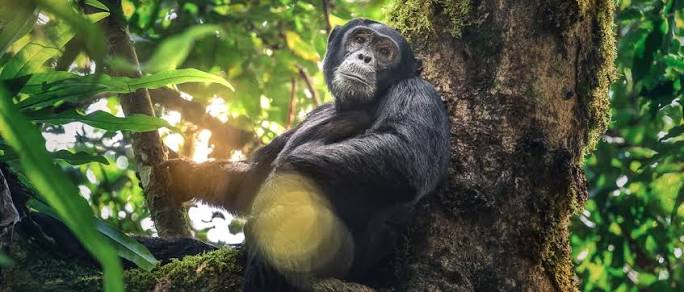
Guide to Chimpanzee Trekking in Uganda 2027; Uganda holds an estimated 5,000-plus wild chimpanzees, more than almost anywhere else in Africa, spread across four distinct trekking destinations: Kibale Forest, Budongo Forest, Kyambura Gorge, and Kalinzu Forest, each with its own price, difficulty, and character.
With permit prices rising across the board heading into 2027, understanding exactly what you’re paying for and where matters more than ever for building an accurate trip budget.
This guide covers every trekking destination, current and projected 2027 pricing, and what to expect from the trek itself, drawn from the Uganda Wildlife Authority’s confirmed and proposed tariff structure.
Kibale Forest: “Africa’s Primate Capital”
Kibale holds an estimated 1,500 chimpanzees, more than anywhere else in Uganda, distributed across three habituated communities, two used for standard trekking and one reserved specifically for the extended habituation experience.
Success rates here run above 90 percent, the strongest of any Ugandan chimp destination, and treks typically cover two to five kilometers of undulating, moderately hilly terrain, with morning departures around 8am and afternoon departures around 2pm from Kanyanchu River Camp.
For 2026, standard trekking permits run $250 for foreign non-residents, with a confirmed rise to $300 planned for 2027. The extended four-hour habituation experience, joining researchers with a semi-habituated community rather than the standard one-hour encounter, costs $300 in 2026, rising to a proposed $400 in 2027.
Budongo Forest: Uganda’s Largest Mahogany Forest
Located within Murchison Falls National Park, Budongo holds a large chimp population, though with a smaller specifically habituated cluster than Kibale, and delivers a considerably less crowded experience, particularly outside the June-through-August and December-through-February peak months.
Terrain here is easier than Kibale or Kyambura, flat forest walking lasting one to four hours.
Standard tracking permits run approximately $130 per person in 2026, with the habituation experience priced at $230 for foreign non-residents, $160 for foreign residents, and $90 for East African Community citizens.
Kyambura Gorge: The Underground Forest
Within Queen Elizabeth National Park, Kyambura Gorge offers a dramatic setting, a 100-meter-deep forested ravine nicknamed the “underground forest.” Only around 17 chimps live here, making the experience more intimate but the roughly 70 percent success rate meaningfully lower than Kibale or Budongo. The terrain is the most physically demanding of the four destinations, a steep, knee-intensive descent and climb lasting one to two hours.
Permits run roughly $100 in 2026, with some sources reporting adjustments already underway, and a further rise to a proposed $200 expected in 2027, a considerably steeper percentage increase than either Kibale or Budongo.
Kalinzu Forest: The Budget Alternative
Kalinzu, in Bushenyi district near Queen Elizabeth National Park, offers Uganda’s most affordable chimp trekking, with permits running considerably less than the three destinations above, making it a worthwhile choice for budget-conscious travelers or those simply wanting a second, more relaxed chimp encounter within the same trip.
How Permits Actually Work
All chimpanzee trekking permits are issued exclusively by the Uganda Wildlife Authority, and as an independent traveler, you typically can’t book directly at UWA headquarters in Kampala, permits are issued specifically to registered tour operators, who then handle the booking on your behalf, often for a modest handling fee.
Given that permits are limited each day, booking several months in advance, particularly for Kibale during peak season, is worth doing rather than assuming availability will hold until closer to your travel dates.
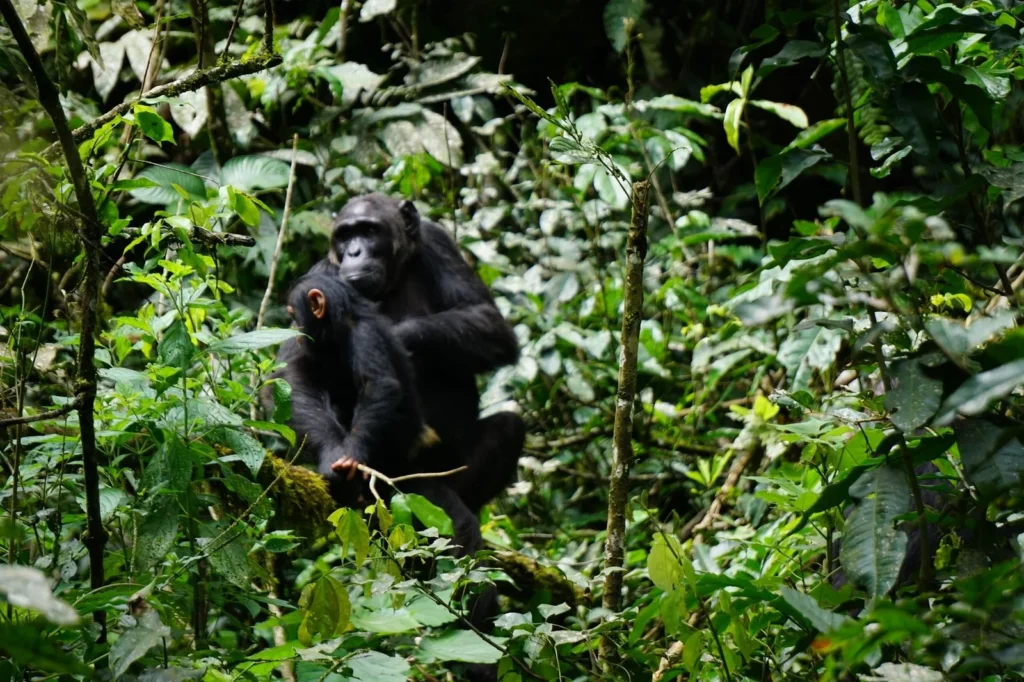
Chimpanzees
What Your Permit Actually Includes
Standard trekking permits cover park entrance, an experienced UWA ranger guide, and one hour with the chimpanzees once found, alongside safety orientation and tracking support throughout. The habituation experience extends this to a full day, joining researchers actively working with a semi-habituated group rather than the standard timed encounter.
2026 vs. Proposed 2027 Pricing at a Glance
| Destination | 2026 Tracking Permit | Proposed 2027 | Habituation (2026) |
| Kibale Forest | $250 | $300 | $300 (proposed $400 in 2027) |
| Budongo Forest | ~$130 | Modest increase expected | $230 |
| Kyambura Gorge | ~$100 | $200 (proposed) | Not typically offered |
| Kalinzu Forest | Lowest of the four | Modest increase expected | Limited availability |
Fitness and Difficulty by Destination
Kibale’s terrain is moderately hilly but manageable for most travelers with average fitness, walking roughly five kilometres a day comfortably is a reasonable benchmark. Budongo is the easiest of the four, flat forest walking without significant elevation change.
Kyambura is the most demanding, a steep, knee-intensive gorge descent and ascent that rewards prior hiking experience. Guides adjust pace to the group throughout, and porters are available for roughly $10 to $15 at destinations where the terrain warrants it.
Combining Chimp Trekking With Gorilla Trekking
Many travelers combine Kibale chimp trekking with Bwindi gorilla trekking within the same trip, and given the roughly $1,050 combined permit cost this represents, planning both well in advance matters for budgeting purposes. A common route sequences chimp trekking early in the itinerary, followed by gorilla trekking days later, with Murchison Falls or Queen Elizabeth filling the days between.
Cancellation and Rescheduling Policies
Uganda’s chimp permit cancellation policy broadly mirrors the gorilla trekking rules: rescheduling is generally free with 30 or more days’ notice, subject to availability, and a documented illness on the day itself typically qualifies for a full refund or an alternative date, though confirming exact terms with your specific operator remains worthwhile given some variation in how individual companies apply these UWA guidelines.
What to Pack for Chimp Trekking Specifically
Beyond standard forest trekking gear, waterproof hiking boots with ankle support, long sleeves and trousers in neutral colours, and gardening gloves for gripping wet vegetation all matter given how considerably more physically dynamic chimp tracking is compared with gorilla trekking.
Chimps move fast, and keeping pace occasionally requires a brisker walk than gorilla trekking demands, making lightweight, breathable layers more comfortable than heavier gear across a longer, more active trek.
Age Requirements Across Uganda’s Destinations
Uganda sets a more flexible minimum age for chimp trekking than gorilla trekking’s strict 15-year rule, with most destinations permitting children as young as 12, though confirming the exact age policy at your specific chosen destination remains worthwhile since minor variations exist between Kibale, Budongo, Kyambura, and Kalinzu.
Frequently Asked Questions
Where is the best place to trek chimpanzees in Uganda?
Kibale Forest, with over 90% sighting success and the country’s largest chimp population, has roughly 1,500 individuals, though Budongo offers a quieter, more affordable alternative with similarly strong viewing.
How much will chimp trekking cost in Kibale in 2027?
A confirmed rise to $300 per person for standard tracking, up from $250 in 2026, with the extended Habituation Experience proposed to rise from $300 to $400.
Can I book a chimpanzee permit directly with the Uganda Wildlife Authority?
Not typically as an independent traveler. Permits are issued to registered tour operators, who handle the booking on your behalf, often for a small handling fee.
Which chimp trekking destination is the most physically demanding?
Kyambura Gorge, requiring a steep, knee-intensive descent and climb through a 100-metre-deep ravine, considerably more demanding than Kibale’s moderate hills or Budongo’s flat forest walking.
What is the chimpanzee habituation experience?
An extended, full-day option where visitors join researchers working with a semi-habituated chimp community, rather than the standard one-hour encounter, available in Kibale and Budongo.