How Many Days Do You Need in Murchison Falls?
September 3, 2026
Birding in Echuya Forest Reserve: Echuya is one of Uganda’s smallest forests, just 34 square kilometers, straddling Kisoro and Kabale districts in the country’s far southwest, and yet it punches far above its size for birders.
Recognized by BirdLife International as an Important Bird Area, Echuya holds roughly 150 recorded bird species, with 18 endemic to the Albertine Rift, a concentration of rarity within a forest small enough to properly explore in a single day.
This guide covers what makes Echuya’s birding distinctive, the specific species worth watching for, and the practical detail of getting there and combining a visit with the surrounding southwestern Uganda circuit.
A Unusual Forest Type
Echuya sits at elevations between 2,270 and 2,570 meters within the Albertine Rift eco-region, part of the broader Eastern Afromontane biodiversity hotspot. Roughly 80 percent of the forest is Kilimandscharia and Hagenia abyssinica woodland, with the remaining 20 percent given over to mountain bamboo, Yushania alpina, a distinctive habitat mix that shapes which species you’ll actually encounter here compared with Uganda’s better-known lowland forests.
The Species Worth Specifically Watching For
The endangered Grauer’s swamp warbler ranks as Echuya’s single most sought-after and elusive species, a highlight for dedicated birders willing to put in the patience this specific bird demands. Beyond it, the forest’s checklist includes the handsome spurfowl, cinnamon-chested bee-eater, Rwenzori batis, Rwenzori apalis, Rwenzori hill babbler, red-faced woodland warbler, blue-headed sunbird, regal sunbird, red-throated alethe, collared apalis, and mountain masked apalis, a strong concentration of Albertine Rift specialities within this compact forest.
Muchuya Swamp: The Forest’s Birding Heart
Hiking around Muchuya Swamp offers Echuya’s single most rewarding birding experience, the wetland habitat here concentrating species in a way the surrounding drier forest doesn’t, and most guided birding walks in the reserve are built specifically around this loop.
Beyond Birds: A Rich Small Reserve
Echuya’s biodiversity extends well past its bird list: 53 recorded butterfly species, 43 moth species, and 127 tree species share the forest with primates, including blue monkeys and red-tailed monkeys, alongside bushbuck, duiker, and roughly 20 recorded small mammal species.
Delanymys brooksi, a rare Albertine Rift endemic mouse restricted to montane swamps in this specific corner of Uganda and neighboring Rwanda and DR Congo, is among the reserve’s more scientifically significant residents.
The Batwa Community
Echuya remains one of the few places in Uganda where visitors can meet the Batwa, the region’s original forest-dwelling inhabitants, who lived here as hunters and gatherers for generations before Uganda’s 1991 conservation policy displaced them from their ancestral forest land.
Unlike the more established, heavily visited Batwa cultural programs at Bwindi, Mgahinga, and Semuliki, Echuya’s Batwa community remains considerably less integrated into mainstream tourism, making a visit here a more direct, less commercialized cultural encounter and a meaningful way to support a community that has benefited less from tourism revenue than its counterparts elsewhere.
Best Time to Visit
Birding itself remains rewarding across the calendar given the forest’s resident, non-migratory endemic species, though travelers specifically interested in the Batwa cultural experience are advised to consider the wet season, when community members are more available for interaction outside their own agricultural demands.
Getting There
By road, Echuya sits roughly eight hours from Kampala via the Kabale-Kisoro road, and the reserve is well positioned for day trips from several southwestern bases: Lake Bunyonyi, Mulehe, Mgahinga, and the towns of Kisoro and Kabale all sit within comfortable striking distance, making Echuya a natural half-day or full-day addition rather than requiring a dedicated overnight stay of its own.
Hiring a Local Guide
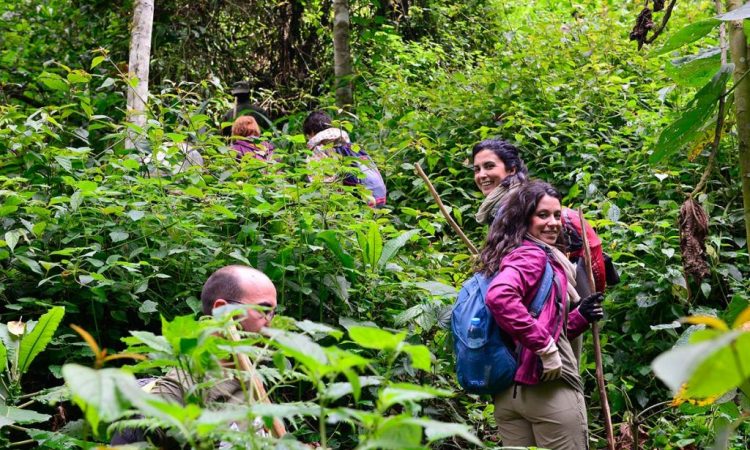
Given how thick the forest’s bamboo understory becomes in places, hiring a local guide improves both navigation and your odds of actually spotting the reserve’s more elusive endemic species, since local guides know both the terrain and the specific calls of birds like the Grauer’s swamp warbler that would otherwise be difficult to locate independently.
What to Pack
Given the forest’s high elevation and cool montane climate, warm layers matter here more than at many of Uganda’s lower-altitude birding destinations, alongside sturdy, waterproof footwear for the swamp trail, binoculars, and a printed or downloaded field guide covering Albertine Rift species specifically.
Combining Echuya With the Wider Southwestern Circuit
Echuya’s strength lies in how easily it slots into an existing southwestern Uganda itinerary: travelers already visiting Bwindi or Mgahinga for gorilla trekking, or spending time at Lake Bunyonyi, can add a half-day or full-day Echuya birding excursion without requiring any significant detour, making it one of the more efficient ways to add Albertine Rift endemic species to a trip already built around this corner of the country.
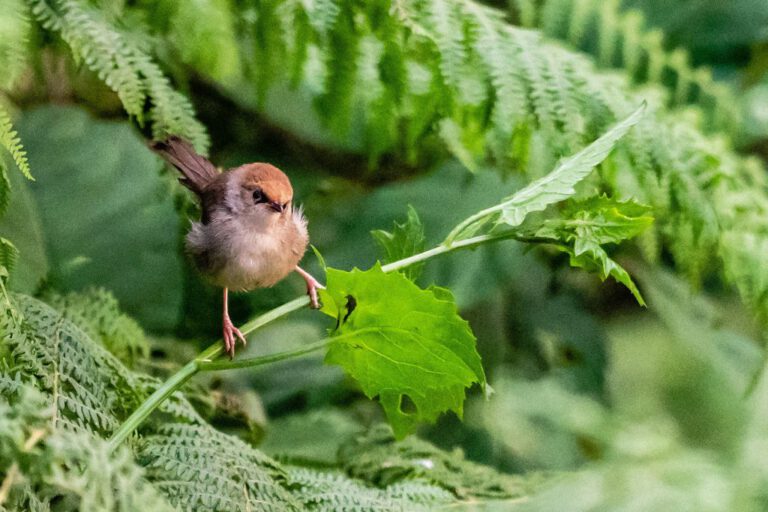
Birdin in Echuya
How Echuya Compares to Bwindi for Birding Specifically
While Bwindi Impenetrable Forest holds a considerably larger overall species count given its greater size, Echuya’s bamboo-and-Hagenia habitat mix supports several species harder to find in Bwindi’s denser lowland forest, meaning dedicated birders building a comprehensive Albertine Rift list benefit from visiting both destinations rather than assuming one substitutes for the other.
Conservation Status and Ongoing Pressure
Echuya’s small size and position within one of Uganda’s most densely populated regions mean the reserve faces ongoing pressure from surrounding communities dependent on it for firewood, medicinal plants, and bamboo for construction.
This context adds real weight to a visit here: tourism revenue and conservation attention help support the reserve’s continued protection, a small but meaningful contribution given how differently resourced Echuya is compared with Uganda’s larger, better-funded national parks.
Frequently Asked Questions
How many bird species are found in Echuya Forest Reserve?
Roughly 150 recorded species, with figures on the specific endemic count varying by source between 5 and 18 Albertine Rift endemics, depending on the survey referenced.
What is the most sought-after bird species in Echuya?
The endangered Grauer’s swamp warbler is considered among the most elusive and rewarding sightings for dedicated birders visiting the reserve.
How do I get to Echuya Forest Reserve?
By road, roughly eight hours from Kampala via the Kabale-Kisoro road, though it’s more commonly visited as a day trip from nearby bases including Lake Bunyonyi, Kisoro, or Kabale.
Can I meet the Batwa community at Echuya?
Yes, and Echuya’s Batwa cultural experience remains considerably less commercialized than similar programs at Bwindi, Mgahinga, or Semuliki, offering a more direct community encounter.
Should I hire a local guide for birding at Echuya?
Yes, worthwhile. The forest’s thick bamboo understory makes navigation and spotting elusive endemic species considerably easier with a local guide familiar with both the terrain and specific bird calls.