Self-Drive Safari In Murchison Falls National Park
July 14, 2026
Best Wildlife Experiences in Murchison Falls National Park
September 3, 2026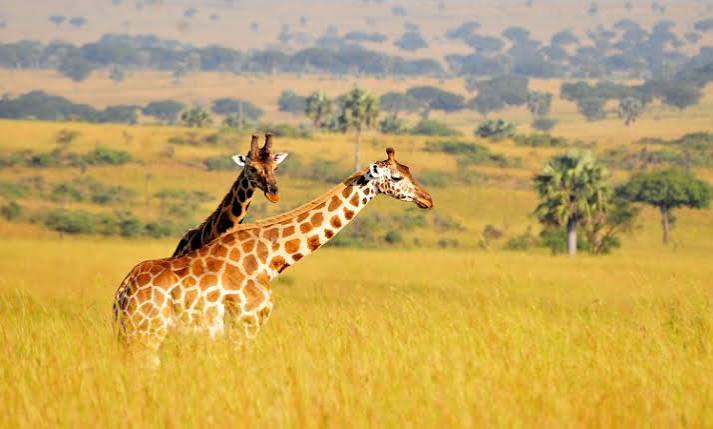
Best Areas for Wildlife Watching in Murchison Falls National Park; Murchison spans nearly 4,000 square kilometers, and not every corner of it delivers the same wildlife density. Knowing specifically where to focus your game drives and boat trips, rather than simply driving wherever the road happens to lead, meaningfully improves your odds of strong sightings within whatever time you have in the park.
This guide breaks down the park’s distinct wildlife zones, the open Buligi tracks north of the river, the water-catchment concentration at Nyamsika Gorge, the Nile Delta’s birdlife, and the quieter, less-visited Rabongo Forest, so you can prioritize your time deliberately rather than by chance.
Buligi Game Tracks:
Stretching between the Victoria and Albert Niles, the Buligi Game Tracks cover roughly 120 kilometers of open savanna, woodland, and riverine habitat and consistently rank as Murchison’s single best wildlife-viewing area.
Morning and late-afternoon drives here reveal large herds of elephant, buffalo, and Uganda kob, with lions often stalking prey using the tall grass for cover, and giraffes, including the endangered Rothschild’s subspecies, browsing the acacia in classic safari scenes. The open, elevated terrain gives Buligi a further advantage: strong visibility that makes it a favorite among photographers and one of the more reliable areas for spotting the park’s more elusive leopard and hyena.
Nyamsika Gorge:
Nyamsika Gorge functions as a water-catchment magnet, particularly during the dry season, when animals concentrate here in numbers that few other areas of the park can match. Elephant, buffalo, and lion are all regularly spotted coming down to drink, and the surrounding cliffs offer a scenic vantage point for taking in both the wildlife and the wider valley below, making this one of the most consistently rewarding stops on any Murchison game drive.
The Nile Delta:
Where the Victoria Nile widens into papyrus channels before meeting Lake Albert, the delta offers a different wildlife-viewing experience from the savanna zones further north, water-associated birdlife concentrated in a habitat unlike anywhere else in the park. This is one of Africa’s more reliable locations for spotting the shoebill stork, particularly during the dry season when lower water levels concentrate birds into more visible channels, alongside saddle-billed stork, grey crowned crane, papyrus gonolek, and African openbill.
The Top and Base of the Falls
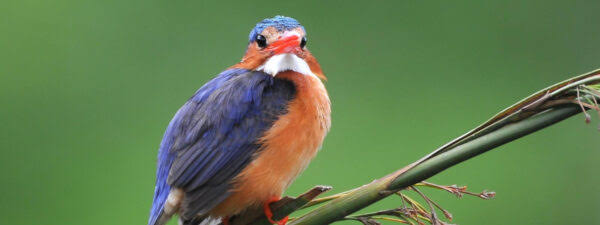
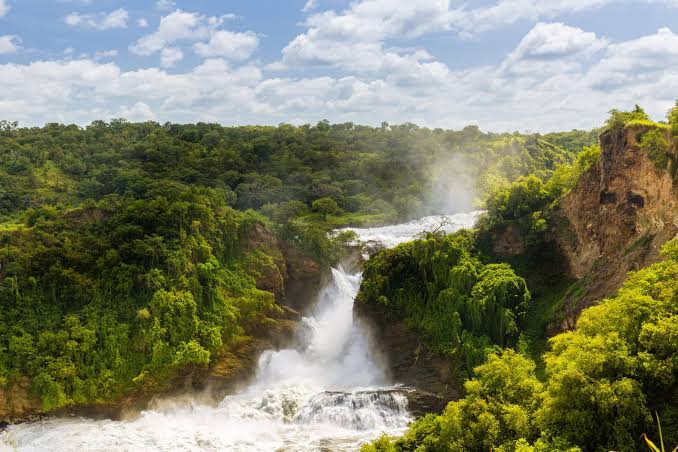
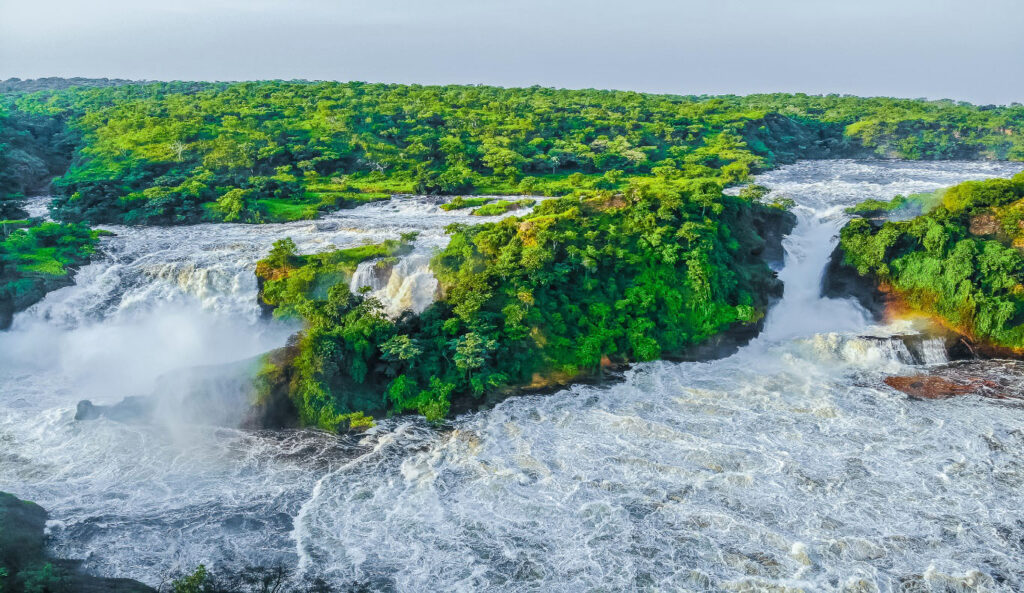
The area immediately around Murchison Falls itself offers a unique wildlife dimension beyond its scenic power: Nile crocodile bask along the banks, waiting to ambush prey swept over the falls, while rock pratincole and pied kingfisher nest along the rocky edges, diving repeatedly for fish in the turbulent water below. Whether viewed from the top, reachable by car or a roughly 30-minute climb, or from the calmer pool at the base, this specific stretch of river rewards patient observation beyond simply admiring the waterfall itself.
The Southern Sector: The “Heart of Murchison”
South of the river, thicker bush and forest vegetation define a different landscape from the open Buligi tracks, home to antelope, primates, and giraffe translocated into the area in 2016. Newer tracks, including the Honeymoon Track, have opened up this section for game drives, offering a quieter, less-visited alternative to the more heavily trafficked northern circuit.
Rabongo Forest:
Tucked away from the park’s main circuits, Rabongo Forest offers secluded, on-foot wildlife encounters considerably different from vehicle-based game drives elsewhere. Guided forest walks here reveal red-tailed monkey, baboon, and bushbuck, alongside hornbill, turaco, and flycatcher moving through the canopy overhead. Given its isolation from the park’s more visited zones, Rabongo consistently delivers a more intimate experience for travelers willing to add this extra stop to their itinerary.
Budongo Forest:
While Budongo’s primary draw is chimpanzee tracking, it also holds over 360 recorded bird species, roughly 60 of them West or Central African specialities. Both Budongo and neighbouring Semuliki are the only forests in Uganda holding Guinea-Congo biome bird species, and two species specifically, the yellow-footed flycatcher and Puvel’s illadopsis, are found in Budongo and nowhere else in East Africa.
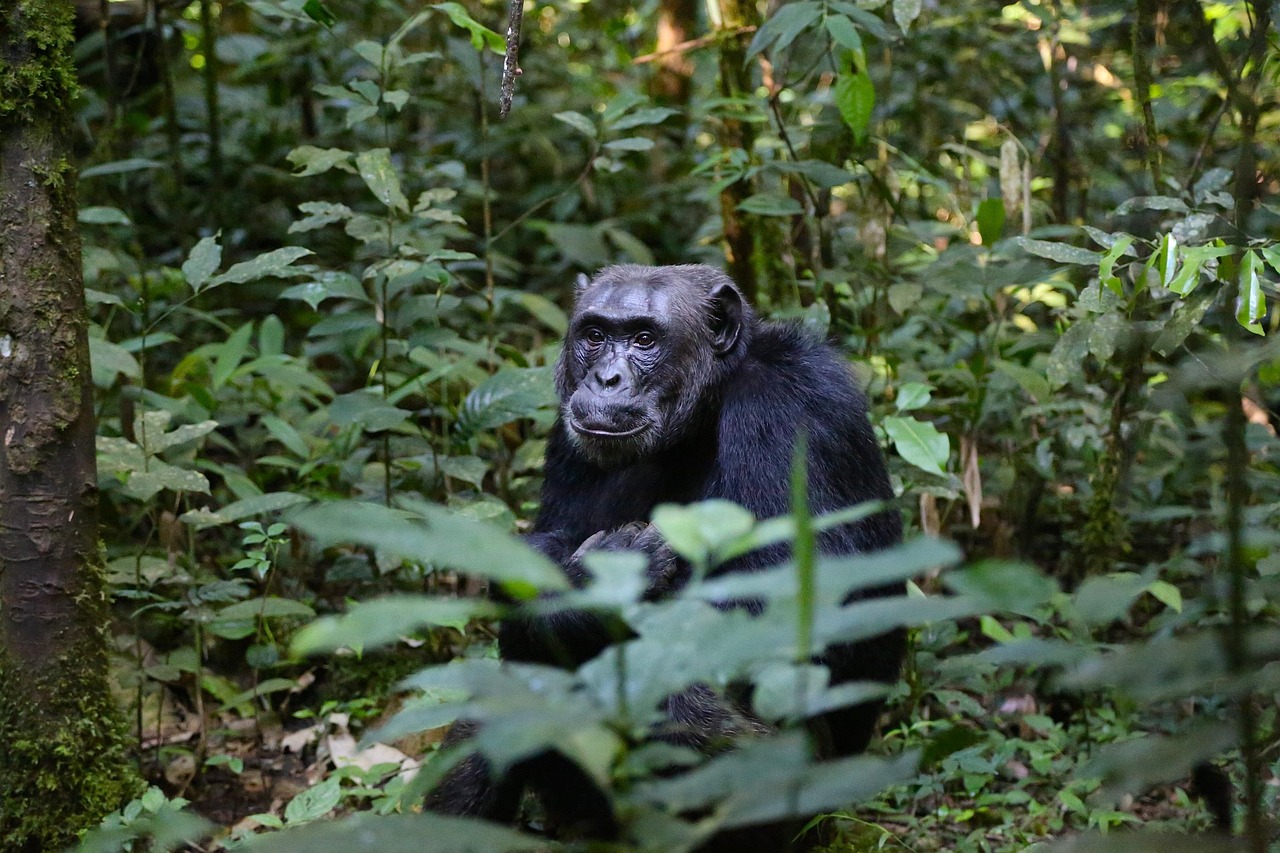
Chimpanzee trekking in Budongo Forest
The Albert Shore:
Along the shores of Lake Albert, particularly around the Buligi Peninsula, lion are regularly spotted waiting along the water’s edge for prey coming down to drink, a strong, reliable predator-viewing zone worth specifically requesting from your guide if lion sightings are a priority.
Practical Tips for Choosing Where to Go
A 4×4 vehicle matters for reaching Buligi’s less-travelled paths, where predators and prey alike tend to concentrate away from the more heavily used main tracks. Morning and late-afternoon timing consistently outperforms midday across every zone in the park, when animals are most active and temperatures haven’t yet peaked, and a knowledgeable guide skilled in reading recent animal movement improves your odds of spotting the park’s more elusive predators regardless of which specific area you’re exploring.
Quick-Reference Zone Guide
| Area | Best For | Best Time |
| Buligi Game Tracks | Elephant, buffalo, lion, giraffe, leopard | Morning and late afternoon |
| Nyamsika Gorge | Dry-season water-source concentrations | Dry season, any time of day |
| Nile Delta | Shoebill and water birds | Dry season, early morning |
| Top/base of the falls | Crocodile, rock pratincole, kingfisher | Any time; combine with cruise |
| Rabongo Forest | Primates, forest birds, quiet walking safari | Morning |
| Albert shore/Buligi Peninsula | Lion near water | Morning and late afternoon |
Combining Multiple Zones in a Single Day
A well-planned day allows visiting several of these zones in sequence rather than committing to just one: an early morning drive through Buligi, a midday stop at Nyamsika Gorge if your route passes nearby, and an afternoon boat cruise covering the falls and delta all within a single, efficiently planned itinerary. Discussing this kind of multi-zone day plan directly with your guide the evening before, rather than deciding spontaneously each morning, helps ensure you don’t miss a zone simply due to poor sequencing.
How Guide Experience Affects Zone Selection
Beyond simply knowing which zones exist, an experienced guide tracks recent sighting reports and radio communication with other vehicles in the park, meaning they often know specifically where a pride was spotted an hour earlier or which section of Nyamsika currently holds the strongest concentration of elephant. This real-time knowledge outperforms a static guide to zones alone, reinforcing why guide quality matters as much as zone selection itself when planning where to focus your time.
Frequently Asked Questions
What is the single best area for game drives in Murchison Falls?
The Buligi Game Tracks, stretching roughly 120 kilometres between the Victoria and Albert Niles, consistently deliver the park’s strongest wildlife density and visibility.
Where is the best place to see the shoebill stork?
The Nile Delta, where the Victoria Nile widens into papyrus channels before meeting Lake Albert, particularly during the dry season when lower water levels concentrate the birds.
Is Nyamsika Gorge worth a dedicated stop?
Yes, especially during the dry season, when its water-catchment area draws a high concentration of elephant, buffalo, and lion coming to drink.
What makes Rabongo Forest different from the rest of the park?
It offers quiet, on-foot walking safaris rather than vehicle-based game drives, with intimate primate and birding encounters given how few visitors make it to this secluded section.
Where are lions most reliably spotted in the park?
Along the Albert shore and Buligi Peninsula, where they’re regularly seen waiting near the water’s edge for prey coming down to drink.