Do Lodges In Uganda and Kenya Have Swimming Pools?
January 12, 2026
Does Weather Affect Wildlife Viewing?
January 12, 2026
Does Crossing the Equator Affect Time or Weather?
Does crossing the Equator affect time or weather? is a question that intrigues travelers exploring Africa’s unique geographies, particularly when embarking on Uganda Safaris or Kenya Safaris that traverse this remarkable line of latitude. With vast expanses of savannahs, lush rainforests, and vibrant cultural landscapes, the Equator slices through key safari destinations, making this an area of both scientific curiosity and visual wonder. On your journey with Murchison Falls Tours, travelers encounter opportunities to experience Uganda Chimpanzee Safaris, Gorilla Trekking, and birding adventures in ecosystems that straddle the Northern and Southern Hemispheres, all while pondering whether their geographical crossing subtly influences time or climate patterns.
Equatorial regions of Africa experience fairly consistent daylight hours throughout the year, which means travelers rarely notice drastic changes in sunrise or sunset times when crossing the line. Nonetheless, understanding how the Equator impacts weather can enrich the safari experience, especially in destinations like Murchison Falls National Park, Kibale Forest, and the crater lakes around Fort Portal. Here, rainfall patterns, humidity levels, and seasonal variations subtly influence wildlife activity, primate tracking, and birdwatching conditions. Planning a safari with Murchison Falls Tours ensures that travelers not only enjoy the scientific novelty of equatorial crossings but also optimize their schedule to witness Kenya Birding Safaris, Cultural Safaris, and Kenya Great Migration Safaris at peak times.
Beyond the physical and climatic aspects, crossing the Equator offers cultural experiences steeped in local tradition. In Uganda, for instance, communities often celebrate the Equator with rituals, photo opportunities, and interactive exhibits that explain its significance. Through expert guidance provided by Murchison Falls Tours, travelers can merge this unique geographic experience with immersive safari activities, positioning themselves to explore Uganda Birding Safaris, Kenya Cultural Safaris, and authentic interactions with the Maasai People in Kenya. Understanding does crossing the Equator affect time or weather? becomes not just a scientific inquiry but a gateway into engaging, memorable travel experiences that blend education, adventure, and culture.
How Can Travelers Reach Equatorial Safari Destinations?
Does crossing the Equator affect time or weather? naturally leads to questions about accessibility and transport logistics when planning a safari. Most equatorial safari destinations in East Africa are easily reachable via international airports in Kampala (Uganda) and Nairobi (Kenya), connecting travelers to private vehicles, charter flights, or guided tours. Murchison Falls Tours specializes in arranging seamless transfers from major hubs to safari lodges and parks, ensuring comfort, safety, and efficiency.
Road travel remains a popular option for those eager to witness Africa’s changing landscapes firsthand. From Kampala, visitors journey through lush agricultural regions, scenic lakes, and forested hills before reaching Murchison Falls National Park, a key destination along the Equator. Along the route, travelers may stop to explore cultural villages, interact with local artisans, or photograph iconic river crossings. In Kenya, safari roads connecting Nairobi to equatorial zones provide access to Amboseli National Park and Maasai Mara for Kenya Safaris, Kenya Best Safaris, and Kenya Cultural Safaris.
For adventurers seeking flexibility, domestic flights or chartered air services allow rapid transfers between safari hotspots. These flights are especially valuable for connecting equatorial Uganda sites with Uganda Chimpanzee Safaris, Gorilla Trekking, or birding excursions in Kibale Forest and Bwindi Impenetrable National Park. Murchison Falls Tours advises travelers to coordinate schedules meticulously, ensuring that equatorial crossing experiences complement other safari activities rather than clash with trekking permits, wildlife encounters, or seasonal migratory patterns. By planning travel logistics thoughtfully, tourists can fully embrace the intrigue behind does crossing the Equator affect time or weather? while maximizing both wildlife and cultural engagement.
What Wildlife and Birding Experiences Can Be Expected Near the Equator?
Does crossing the Equator affect time or weather? significantly influences wildlife visibility and activity in equatorial Africa. The consistent daylight near the Equator creates predictable morning and evening activity patterns, making it ideal for observing primates, big cats, and bird species in both Uganda and Kenya. On Uganda Birding Safaris, travelers discover over 350 species in the forests surrounding Fort Portal and Kibale, including rare and endemic species that thrive in stable equatorial climates.
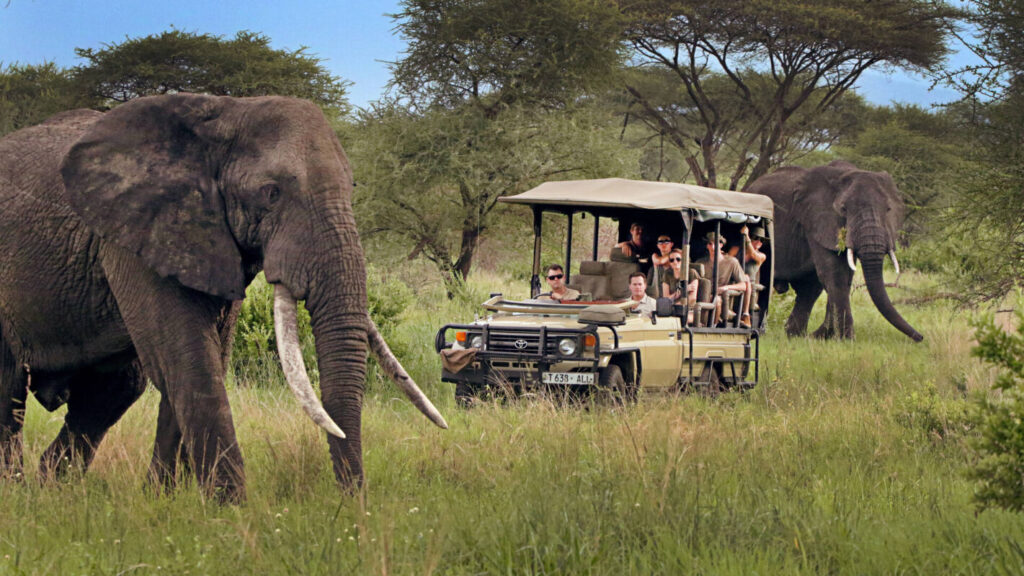
Chimpanzee trekking is a highlight of equatorial safaris in Uganda. Early morning treks through dense rainforest habitats allow visitors to track habituated chimpanzee families while experiencing the unique soundscapes and biodiversity of these regions. Similarly, Gorilla Trekking in southwestern Uganda can be paired with equatorial excursions, offering a combined safari itinerary that spans primate observation, birding, and savannah wildlife spotting in parks such as Murchison Falls. Kenya Safaris, meanwhile, provide complementary experiences with Kenya Great Migration Safaris, where equatorial plains intersect with seasonal wildlife corridors that host wildebeest, zebras, and predators.
Birding enthusiasts also benefit from the Equator’s relatively stable photoperiods, which enhance observation opportunities for species like the African grey parrot, Great Blue Turaco, and sunbirds. By traveling with Murchison Falls Tours, safari-goers gain access to expert guides who not only identify species but explain how equatorial conditions influence nesting, feeding, and migratory behaviors. This attention to detail ensures that does crossing the Equator affect time or weather? becomes a lens through which travelers appreciate the symbiotic relationship between geography, climate, and wildlife abundance.
What Cultural Experiences Can Be Integrated into Equatorial Safaris?
Does crossing the Equator affect time or weather? also enriches cultural experiences in regions where communities have historically aligned their lifestyles with equatorial cycles. Travelers visiting Uganda encounter the Tooro Kingdom, whose traditions, storytelling, and dance performances provide insight into centuries of cultural heritage. Participating in local crafts, tasting traditional cuisines, and joining ceremonial activities allows visitors to understand how equatorial geography has shaped settlement patterns, agriculture, and seasonal rituals.
In Kenya, Kenya Cultural Safaris often include interactions with the Maasai People, whose vibrant dress, warrior traditions, and pastoral lifestyle offer a contrasting yet complementary perspective on equatorial life. Village tours enable travelers to witness beadwork, spear-making, and livestock herding, highlighting the adaptability of communities living near the Equator. Murchison Falls Tours emphasizes respectful engagement, ensuring cultural exchanges support local livelihoods while maintaining authenticity.
Integrating cultural experiences with wildlife safaris enhances both educational value and emotional resonance. Guests learn not only about Uganda Best Safaris and primate tracking but also about how equatorial climates shape local festivals, agricultural calendars, and spiritual beliefs. Travelers who combine Kenya Birding Safaris or Kenya Great Migration Safaris with these experiences gain a holistic understanding of the African landscape. Consequently, exploring does crossing the Equator affect time or weather? becomes part of a broader journey that fuses natural wonder with human heritage.
When is the Best Time for Equatorial Safari Experiences?
Does crossing the Equator affect time or weather? is closely linked to seasonal planning, as equatorial regions experience predictable yet distinct wet and dry periods. In Uganda and western Kenya, dry seasons typically occur from June to September and December to February, providing ideal conditions for wildlife tracking, chimpanzee trekking, gorilla encounters, and birdwatching. Rainy seasons, although lush and vibrant, may make roads challenging and primate trails slippery.
Planning safaris with Murchison Falls Tours ensures travelers align activities with optimal periods. During dry months, wildlife is easier to spot at waterholes, birding visibility is higher, and cultural festivals are more accessible. Conversely, off-season travel offers intimate experiences with fewer crowds, verdant landscapes, and migratory bird activity, providing unique photographic opportunities. Guests often ask whether equatorial crossings affect daylight patterns or temperature extremes. While the Equator stabilizes day length at roughly 12 hours year-round, localized rainfall and humidity create microclimates that impact safari logistics and wildlife behavior.
Combining Uganda Chimpanzee Safaris, Gorilla Trekking, or Kenya Safaris during these optimal periods allows travelers to maximize their experience. Meticulous planning enhances value, safety, and satisfaction, reinforcing Murchison Falls Tours as a trusted provider for equatorial safari adventures. Understanding these temporal and climatic nuances helps answer the question does crossing the Equator affect time or weather? in practical, travel-focused terms.
How Much Does an Equatorial Safari Cost?
Does crossing the Equator affect time or weather? is often a precursor to financial planning for safari adventures. Safari costs in Uganda and Kenya vary widely depending on accommodation level, transportation mode, activity selection, and tour duration. Standard packages arranged by Murchison Falls Tours include guided wildlife excursions, chimpanzee or gorilla trekking permits, park entry fees, and cultural experiences, ensuring travelers experience value without compromising comfort or quality.
Mid-range travelers can expect inclusive packages for Uganda Safaris or Kenya Safaris ranging from $250 to $450 per day, covering private transportation, local meals, and guided tours. Luxury experiences, such as exclusive lodges or combined Gorilla Trekking and Equator crossing packages, may reach $600 to $1,000 per day, reflecting personalized attention, premium logistics, and unique access to wildlife habitats. Budget-conscious travelers can also enjoy equatorial safari highlights using shared transport or community-based lodges, often coordinated seamlessly by Murchison Falls Tours.
Financial planning also considers seasonal adjustments; high demand during dry periods can slightly increase permit and accommodation costs. By providing clear, transparent pricing and detailed itineraries, Murchison Falls Tours ensures travelers are fully prepared for costs while maximizing exposure to Uganda Birding Safaris, Kenya Best Safaris, and Cultural Safaris. Understanding the practical budget implications of does crossing the Equator affect time or weather? allows travelers to make informed, confident decisions.
Why Choose Murchison Falls Tours for Equatorial Safari Experiences?
Does crossing the Equator affect time or weather? finds its most reliable answers with expert guidance from Murchison Falls Tours. Our team combines deep destination knowledge, logistical expertise, and a passion for ethical, immersive tourism. Guests benefit from well-maintained vehicles, certified guides, and itineraries tailored to align wildlife encounters, birding adventures, and cultural experiences.
Murchison Falls Tours prioritizes Experience, Expertise, Authoritativeness, and Trustworthiness (EEAT) in every safari. Travelers gain insights into equatorial phenomena, wildlife behavior, and local culture, positioning our brand as a leading authority for Uganda Best Safaris, Kenya Great Migration Safaris, and Gorilla Trekking. Comprehensive planning ensures seamless travel from Kampala or Nairobi to Murchison Falls, Kibale Forest, or Fort Portal, while optional extensions allow combination with Kenya Safaris, enhancing itinerary value.
Selecting Murchison Falls Tours transforms the question does crossing the Equator affect time or weather? into a multifaceted adventure encompassing discovery, learning, and cultural engagement. Our commitment to sustainable tourism, responsible wildlife interaction, and authentic community experiences ensures travelers enjoy a safe, memorable, and meaningful safari journey. By choosing a trusted partner, global audiences can confidently explore Africa’s equatorial wonders while deepening their connection with nature and culture.