
What is the Equator and why is it important?
January 28, 2026
What Is the Weather Like in Uganda?
January 28, 2026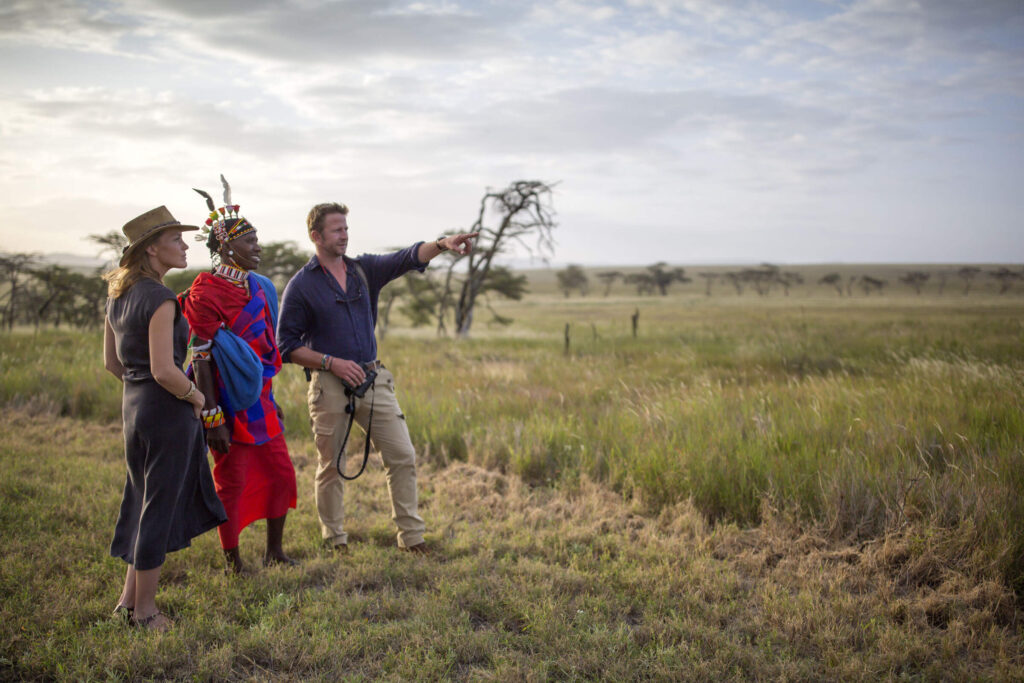
What Is the Weather Like in Kenya?
What is the weather like in Kenya? Understanding Kenya’s climate is essential for planning a memorable safari experience. Kenya Safaris, Kenya Birding Safaris, Kenya Cultural Safaris, and Kenya Best Safaris all depend heavily on weather conditions to ensure optimal wildlife viewing, comfort, and safety. Murchison Falls Tours emphasizes that knowledge of seasonal variations helps travelers select the right gear, schedule activities, and anticipate unique wildlife encounters. Kenya’s climate varies from coastal humidity to cooler highland regions, allowing for diverse safari experiences in locations like the Maasai Mara, Amboseli, and Lake Naivasha.
Renai Safaris ensures travelers are fully informed about what to expect regarding temperature fluctuations, rainfall, and dry seasons across different destinations. For instance, Kenya Great Migration Safaris are best undertaken during dry months when wildlife congregates around water sources, enhancing the chance to witness the iconic wildebeest migration. Meanwhile, Kenya Birding Safaris benefit from understanding seasonal bird movements influenced by rainfall patterns. Cultural Safaris involving interactions with the Maasai People or local communities also become more enjoyable when travelers are prepared for the prevailing weather. Accessing Kenya’s prime safari destinations is straightforward, with Nairobi serving as the hub for flights and road transfers, and combining these adventures with Uganda Gorilla Trekking or Uganda Birding Safaris provides a multi-dimensional East African safari experience. Costs vary depending on accommodations, guides, and duration, but well-timed trips aligned with seasonal conditions maximize value and satisfaction.
How Does the Weather Vary Across Kenya’s Safari Destinations?
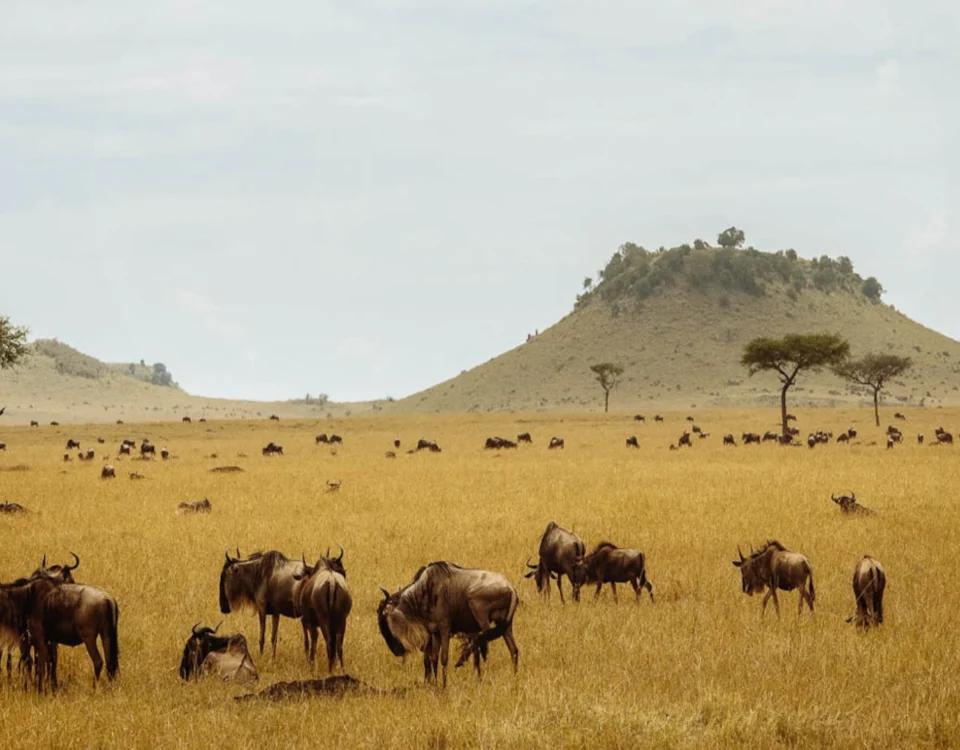
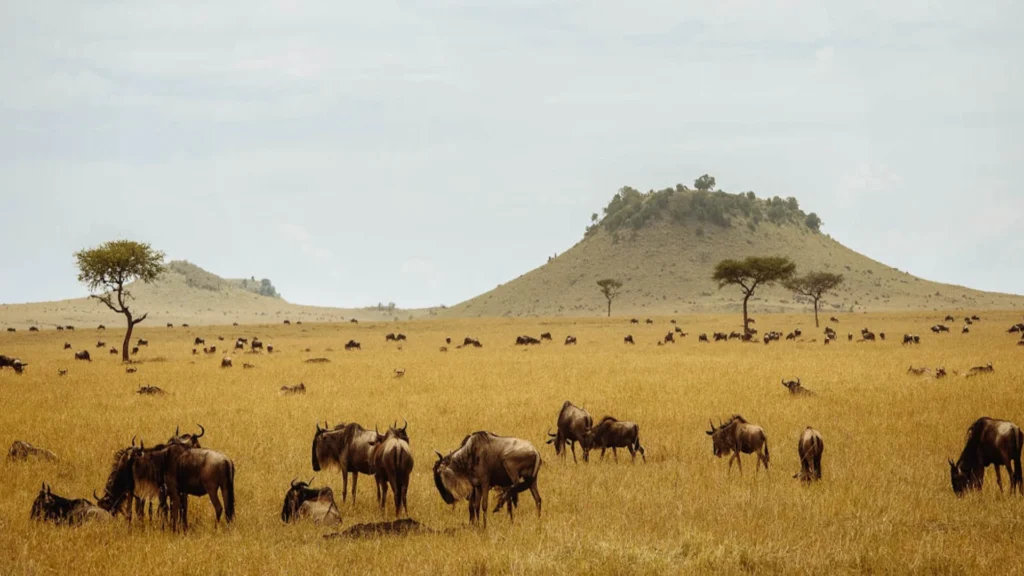
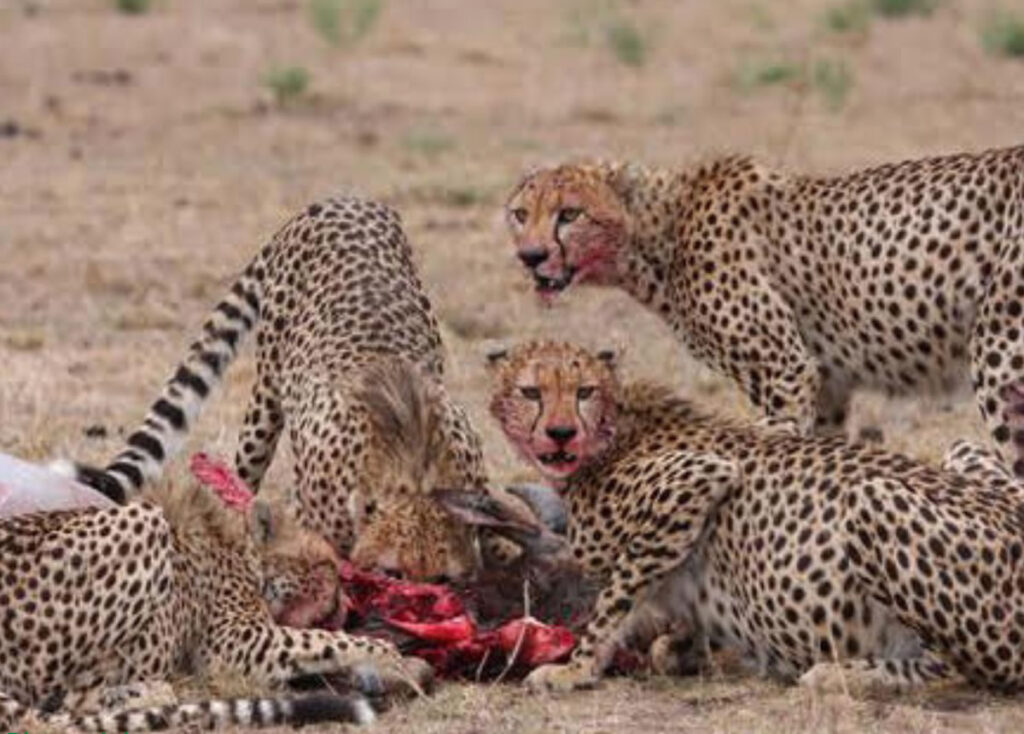
What is the weather like in Kenya? Kenya features distinct climatic zones that influence wildlife activity, bird migrations, and overall safari experiences. The Maasai Mara, one of Kenya Best Safaris’ top destinations, experiences a semi-arid climate with warm temperatures ranging from 20°C to 30°C during the day. Early mornings and late evenings can be cool, particularly during the long rains from March to May, when dirt roads may become challenging to navigate. Kenya Great Migration Safaris are typically planned during the dry seasons from July to October and December to February to witness the spectacular crossing of rivers and abundant predator-prey interactions.
Lake Naivasha and Lake Bogoria present a temperate climate influenced by the Rift Valley lakes, providing excellent conditions for Kenya Birding Safaris. Migratory birds are abundant during dry periods, while lush vegetation during short rains creates opportunities for observing resident species in vibrant landscapes. The Aberdare ranges and Mount Kenya highlands offer cooler conditions with occasional rainfall, ideal for nature walks and hiking safaris. Cultural Safaris with the Maasai People or local communities in these regions are most comfortable during mild temperatures, allowing travelers to fully engage in traditional practices, dances, and village explorations. Renai Safaris ensures that each itinerary considers local weather conditions to enhance wildlife spotting, photography, and overall safari enjoyment.
How Does Weather Affect Safari Activities?
What is the weather like in Kenya? Weather directly influences the success of safari activities across Kenya. Game drives in Kenya Safaris are most productive during dry seasons, as animals congregate near water sources, making wildlife encounters more predictable and rewarding. Conversely, Kenya Birding Safaris benefit from both wet and dry seasons: rainfall encourages bird breeding, leading to increased sightings of young birds, while dry seasons attract migratory species from other regions. Understanding these patterns allows travelers to choose the most suitable period for birdwatching, photography, or nature exploration.
Gorilla Trekking in Uganda can be conveniently combined with Kenya Safaris, but weather considerations remain crucial. Heavy rainfall can make forest trails slippery and more challenging, whereas dry seasons ensure safer treks and better visibility for spotting gorillas, chimpanzees, and endemic bird species. Cultural Safaris are similarly affected by weather, as community interactions, village visits, and local ceremonies are more enjoyable during dry and mild conditions. Costs for guided activities, transport, and accommodations may fluctuate slightly with season, but Murchison Falls Tours and Renai Safaris guide travelers in maximizing both affordability and comfort. Proper preparation ensures travelers experience Kenya Best Safaris and Uganda Best Safaris at their peak, demonstrating the direct connection between weather awareness and safari success.
When Is the Best Time to Visit Kenya for Safari Experiences?
What is the weather like in Kenya? The timing of your safari greatly affects wildlife sightings, birdwatching opportunities, and overall comfort. Kenya’s dry seasons, typically from June to October and December to February, provide the best conditions for Kenya Great Migration Safaris and Kenya Birding Safaris. During these months, savannahs are less dense, making it easier to spot lions, elephants, zebras, and giraffes. Birding enthusiasts enjoy clear skies and predictable species movements, while cultural interactions with the Maasai People or other local communities proceed without weather disruptions.
Short rains from November to December and long rains from March to May bring lush landscapes, creating scenic backdrops for photography and Kenya Cultural Safaris. Wildlife tends to disperse more during rainy seasons, which may require longer drives for big game sightings but enhances birdwatching due to nesting activities and abundant food sources. Murchison Falls Tours advises travelers combining Kenya Safaris with Uganda Gorilla Trekking to plan around dry months in both regions to ensure safe, accessible, and enjoyable treks through forests and savannahs. Costs for safari packages, accommodations, and permits remain reasonable when trips are planned with seasonal considerations in mind. Therefore, what is the weather like in Kenya? is central to optimizing the timing, comfort, and overall success of a safari adventure.
How to Prepare for Kenya’s Weather on Safari?
What is the weather like in Kenya? Preparation is key to enjoying Kenya Safaris, Kenya Birding Safaris, Kenya Cultural Safaris, and Kenya Great Migration Safaris under varying weather conditions. Travelers should pack lightweight, breathable clothing for daytime safaris, along with warm layers for mornings and evenings. Rain jackets and waterproof footwear are essential during wet seasons, while hats, sunglasses, and sunscreen provide protection against intense sun. Binoculars and cameras are recommended to maximize wildlife and birding encounters.
Cultural Safaris involving visits to Maasai villages or Kenyan local communities require comfortable, modest attire suitable for both climate and respect for traditions. Travelers combining Kenya Safaris with Uganda Gorilla Trekking should include trekking boots, insect repellents, and quick-dry clothing for forest excursions. Murchison Falls Tours and Renai Safaris offer detailed packing lists based on seasonal variations, ensuring visitors are fully prepared for both comfort and adventure. Personal essentials, including medications, travel documents, and reusable water bottles, further enhance the safari experience. By understanding what is the weather like in Kenya?, travelers can anticipate conditions, minimize discomfort, and fully immerse themselves in both wildlife and cultural experiences.
Why Choose Murchison Falls Tours and Renai Safaris?
What is the weather like in Kenya? Choosing Murchison Falls Tours in collaboration with Renai Safaris ensures a safari experience tailored to climate, comfort, and seasonal conditions. Our team of experts provides personalized itineraries covering Kenya Safaris, Kenya Birding Safaris, Kenya Cultural Safaris, Kenya Best Safaris, and Kenya Great Migration Safaris, along with Uganda Safaris, Uganda Birding Safaris, Uganda Chimpanzee Safaris, and Gorilla Trekking. By considering weather, terrain, and local conditions, travelers enjoy optimized wildlife encounters, cultural immersion, and birdwatching opportunities.
Expert guidance ensures proper packing, preparation for seasonal changes, and advice on combining Kenya and Uganda safari experiences. Cost-effective, safe, and educational itineraries enhance visitor confidence, making trips enjoyable and stress-free. Murchison Falls Tours and Renai Safaris emphasize experience, expertise, and trustworthiness, providing a reliable resource for global travelers seeking East African safari adventures. Understanding what is the weather like in Kenya? ensures that every safari—from birdwatching and big game viewing to cultural engagements—is executed safely, comfortably, and memorably, cementing the region’s reputation as a world-class safari destination.