Game Drives vs Walking Safaris
February 19, 2026
Chimpanzee Tracking vs Chimpanzee Habituation (Uganda vs Rwanda vs Tanzania)
Chimpanzee Tracking vs Chimpanzee Habituation (Uganda vs Rwanda vs Tanzania) is a fascinating comparison that helps global travelers choose the most rewarding primate safari experience in East Africa. Across the tropical forests of Uganda, the montane landscapes of Rwanda, and the remote wilderness of western Tanzania, chimpanzee encounters offer powerful moments of connection with one of humanity’s closest relatives. Through expertly crafted Uganda Safaris, Rwanda Safari programs, and select Tanzania extensions, Murchison Falls Tours delivers authentic, conservation-driven experiences designed for travelers who value expertise, safety, and sustainability.
Unlike ordinary wildlife viewing, chimpanzee experiences demand active exploration within natural forest ecosystems. During chimpanzee tracking, visitors spend a limited and carefully regulated hour observing a habituated community. During chimpanzee habituation, guests accompany researchers and rangers for extended hours as chimpanzees gradually grow accustomed to human presence. Understanding Chimpanzee Tracking vs Chimpanzee Habituation (Uganda vs Rwanda vs Tanzania) enables travelers to select an experience aligned with their interests, physical readiness, photography goals, and conservation curiosity. Beyond primate observation, these destinations also enrich Uganda Gorilla Trekking Safaris, Rwanda Wildlife Safaris, and immersive Uganda Cultural Safaris. Throughout this guide, Murchison Falls Tours provides trusted insight into access routes, seasonal considerations, permit costs, cultural connections, and the possibility of combining chimpanzee adventures with Uganda Gorilla Trekking for a comprehensive East African journey.
Chimpanzee Trekking
Why Choose Uganda for Chimpanzee Tracking and Habituation?
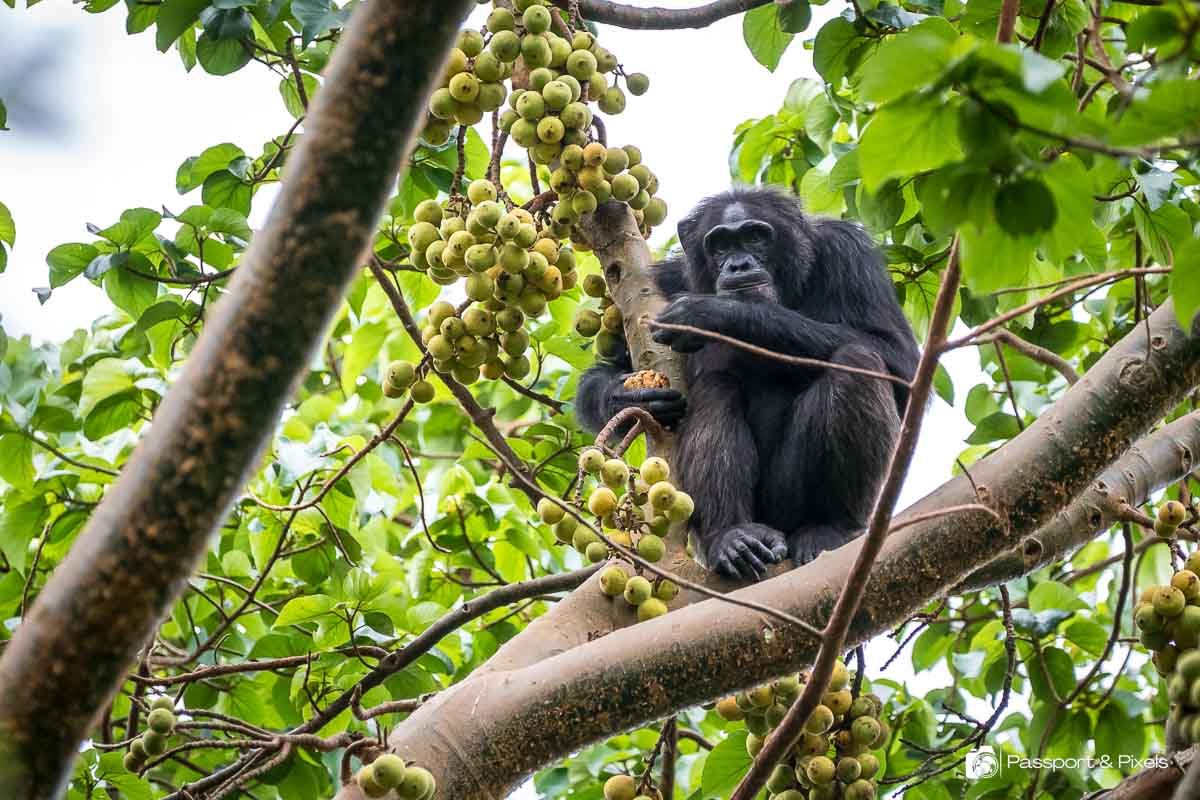
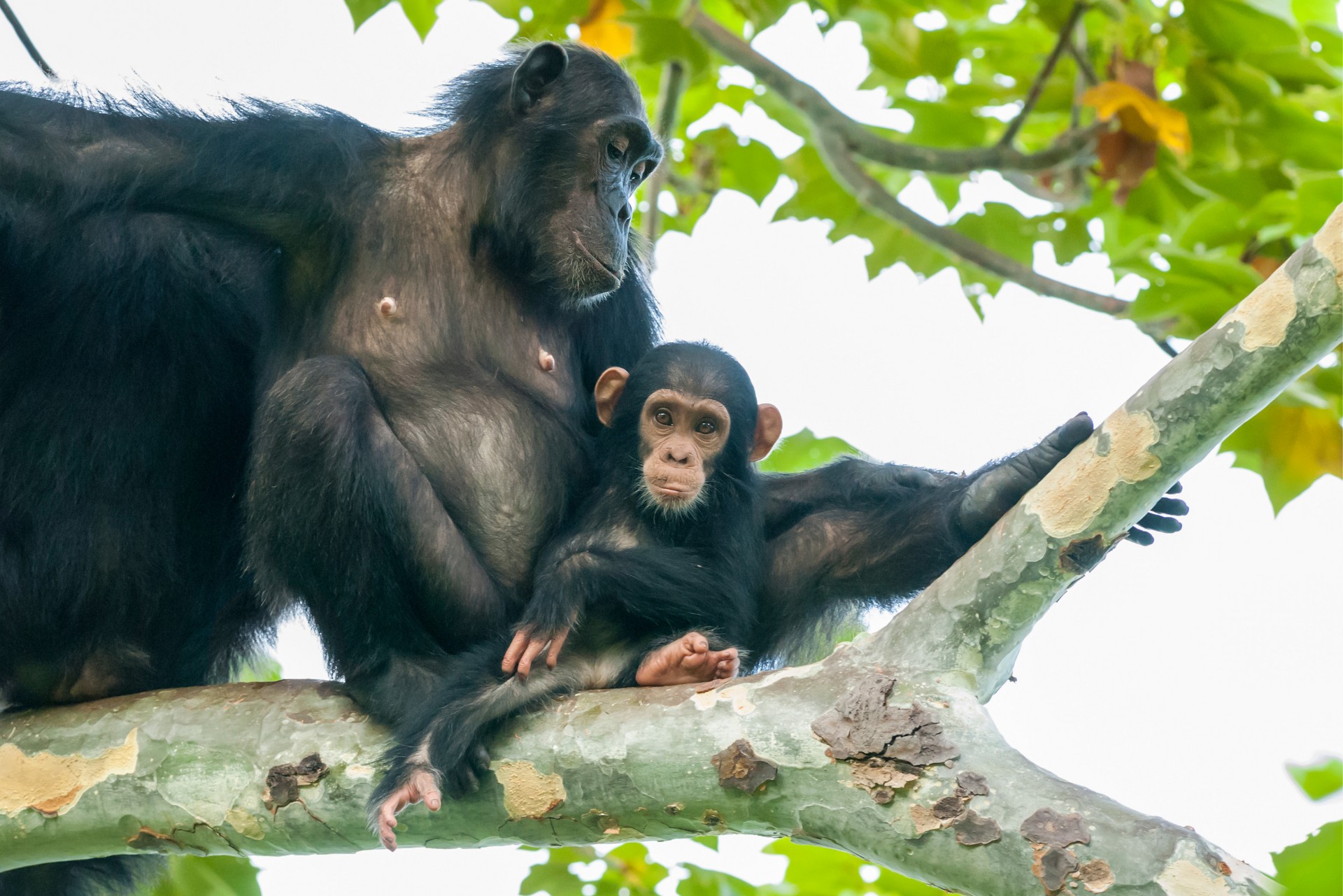
Within western Uganda, Kibale National Park stands as the premier destination for Chimpanzee Tracking vs Chimpanzee Habituation (Uganda vs Rwanda vs Tanzania). Known as the “Primate Capital of the World,” this biodiverse rainforest protects one of the highest densities of chimpanzees in Africa, alongside numerous monkey species and remarkable birdlife. Unlike many forest reserves across the continent, Kibale offers both standard chimpanzee tracking and full-day chimpanzee habituation experiences. During tracking sessions, small groups trek through the forest for two to four hours before spending one unforgettable hour observing playful juveniles, vocal adults, and complex social interactions. During habituation programs, participants join researchers for up to four hours, gaining rare insight into feeding patterns, nesting behavior, communication signals, and territorial movement.
Additionally, Uganda Safaris in Kibale integrate seamlessly with Uganda Birding Safaris, as the park hosts over 370 bird species. Cultural immersion further enhances Chimpanzee Tracking vs Chimpanzee Habituation (Uganda vs Rwanda vs Tanzania) through community visits around Bigodi Wetland Sanctuary, where travelers engage in storytelling, coffee preparation demonstrations, and traditional dance performances.
Access to Kibale is convenient via road transfer from Entebbe or Kampala, typically five to six hours, or domestic flights to Kasese followed by a short drive. Permit costs average USD 200–250 for tracking and approximately USD 300–350 for habituation, making Uganda Best Safaris highly competitive in value. Combining Kibale chimpanzee encounters with Uganda Gorilla Trekking Safaris in Bwindi creates a powerful primate-focused itinerary. Murchison Falls Tours ensures professional ranger coordination, responsible tourism practices, and personalized accommodation choices that meet international expectations.
What Makes Rwanda Unique for Chimpanzee Tracking?
In southern Rwanda, Nyungwe Forest National Park offers an exceptional alternative in the comparison of Chimpanzee Tracking vs Chimpanzee Habituation (Uganda vs Rwanda vs Tanzania). Positioned within one of Africa’s oldest montane rainforests, Nyungwe provides a dramatic landscape of mist-covered hills, dense canopy, and extraordinary biodiversity. Unlike Uganda, Rwanda primarily offers chimpanzee tracking rather than full habituation programs. Early morning departures begin before sunrise, as chimpanzees move quickly through treetops. Trekking can be moderately challenging due to steep terrain, yet the reward lies in observing dynamic troop movement and hearing powerful pant-hoot calls echo across the forest.
Furthermore, Rwanda Safari experiences in Nyungwe often include canopy walk adventures suspended above the forest floor, providing panoramic perspectives of this ancient ecosystem. Cultural activities around the park introduce visitors to tea plantation tours and traditional Rwandan dance performances, enriching Rwanda Wildlife Safaris with heritage engagement. Accessibility distinguishes Rwanda within Chimpanzee Tracking vs Chimpanzee Habituation (Uganda vs Rwanda vs Tanzania). Travelers fly into Kigali International Airport and enjoy a scenic five to six-hour drive to Nyungwe on well-maintained roads. Permit fees generally range around USD 150–200 per person, positioning Rwanda as a mid-to-premium primate destination. Opportunities to combine Rwanda Gorilla Trekking in Volcanoes National Park with chimpanzee tracking in Nyungwe create a complete Rwanda Safari circuit. Murchison Falls Tours designs seamless cross-country itineraries for travelers seeking both gorillas and chimpanzees in one expertly managed journey.
Why Consider Tanzania for Remote Chimpanzee Adventures?
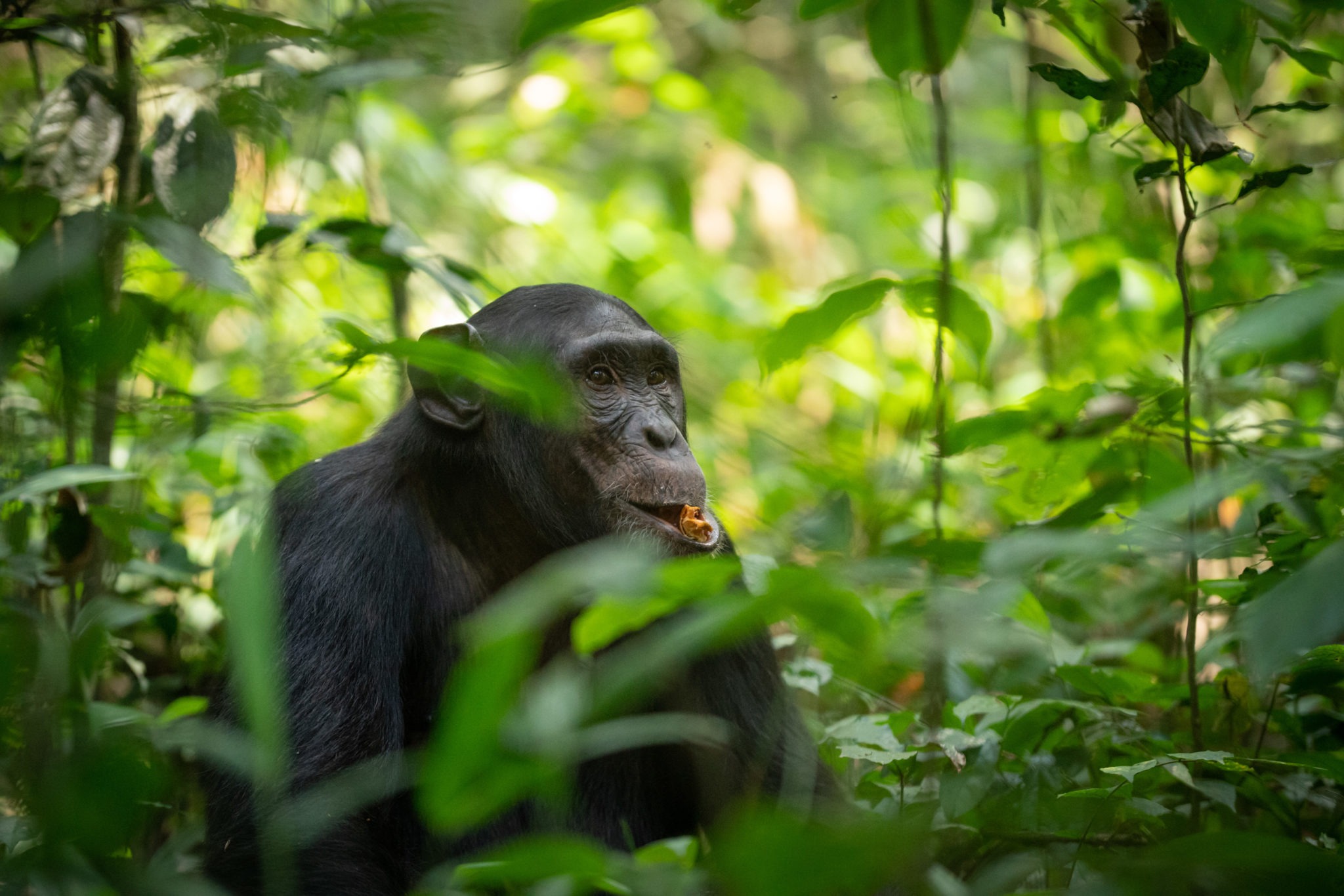
Along the shores of Lake Tanganyika, Gombe Stream National Park and Mahale Mountains National Park present a more remote dimension in Chimpanzee Tracking vs Chimpanzee Habituation (Uganda vs Rwanda vs Tanzania). These protected areas gained international recognition through pioneering chimpanzee research and remain among Africa’s most secluded primate habitats. Accessing these parks requires charter flights or boat transfers, reinforcing their exclusivity. Visitors often describe Tanzania’s chimpanzee experiences as intimate and wild due to limited tourist numbers and dramatic lake-and-mountain scenery. Unlike Uganda’s structured habituation option, Tanzania focuses primarily on tracking fully habituated groups. Trekking conditions vary from gentle forest paths in Gombe to steeper terrain in Mahale. Observations may last one hour, although extended sightings sometimes occur depending on chimpanzee activity.
Pricing reflects remoteness, with permits and logistics often exceeding USD 300–400 per person, excluding charter costs. Travelers seeking privacy, scenic beauty, and historic research heritage find Tanzania compelling within Chimpanzee Tracking vs Chimpanzee Habituation (Uganda vs Rwanda vs Tanzania). Combining Tanzania chimpanzee tracking with Uganda Gorilla Trekking Safaris is possible through regional flight connections arranged by Murchison Falls Tours, allowing primate enthusiasts to experience multiple ecosystems in one extended African expedition.
What Should Travelers Expect During Chimpanzee Tracking vs Chimpanzee Habituation (Uganda vs Rwanda vs Tanzania)?
Preparation plays a vital role in maximizing Chimpanzee Tracking vs Chimpanzee Habituation (Uganda vs Rwanda vs Tanzania). Early briefings outline safety protocols, conservation ethics, and appropriate behavior near primates. Physical readiness is essential, as forest terrain may involve humidity, mud, and elevation changes.
Group sizes remain small to reduce environmental impact. Professional rangers interpret chimpanzee vocalizations and movement patterns. Photography without flash is encouraged to protect animal welfare. Respectful distance guidelines ensure minimal disturbance. Accommodation options range from eco-lodges to luxury forest retreats depending on destination and budget. Meals typically highlight locally sourced ingredients, supporting surrounding communities. Travelers frequently combine chimpanzee encounters with Uganda Gorilla Trekking Safaris to create a comprehensive primate journey. Murchison Falls Tours coordinates permits, transfers, and cross-border logistics with transparency and expertise.
When Is the Best Time for This Safari Experience?
Dry seasons from June to September and December to February provide optimal forest conditions across Uganda, Rwanda, and Tanzania. Chimpanzee Tracking vs Chimpanzee Habituation (Uganda vs Rwanda vs Tanzania) remains available year-round, though wetter months offer fewer visitors and lush photographic landscapes. Bird enthusiasts integrating Uganda Birding Safaris benefit from migratory species between November and April. Conservation research continues throughout the year, ensuring consistent primate presence.
Why Choose Murchison Falls Tours for Chimpanzee Tracking vs Chimpanzee Habituation (Uganda vs Rwanda vs Tanzania)?
Expert planning defines the success of Chimpanzee Tracking vs Chimpanzee Habituation (Uganda vs Rwanda vs Tanzania). Murchison Falls Tours brings deep regional knowledge, conservation partnerships, and transparent pricing to every itinerary. Our team secures official permits, collaborates with licensed guides, and recommends accommodations suited to diverse travel styles.
Commitment to responsible tourism strengthens community development initiatives. Personalized service ensures seamless travel between Uganda Safaris, Rwanda Safari programs, and Tanzania extensions. Proven expertise in Uganda Gorilla Trekking Safaris allows travelers to combine gorilla and chimpanzee adventures effortlessly. Choosing Murchison Falls Tours means selecting a trusted authority dedicated to safety, sustainability, and exceptional African travel experiences. Through Chimpanzee Tracking vs Chimpanzee Habituation (Uganda vs Rwanda vs Tanzania), we invite the world to discover primate conservation at its finest—guided by professionalism, passion, and purpose.