What Conservation Efforts Are in Place in the Parks?
January 26, 2026
What is a Safari, and What Can I Expect on a Safari in Uganda or Kenya?
January 26, 2026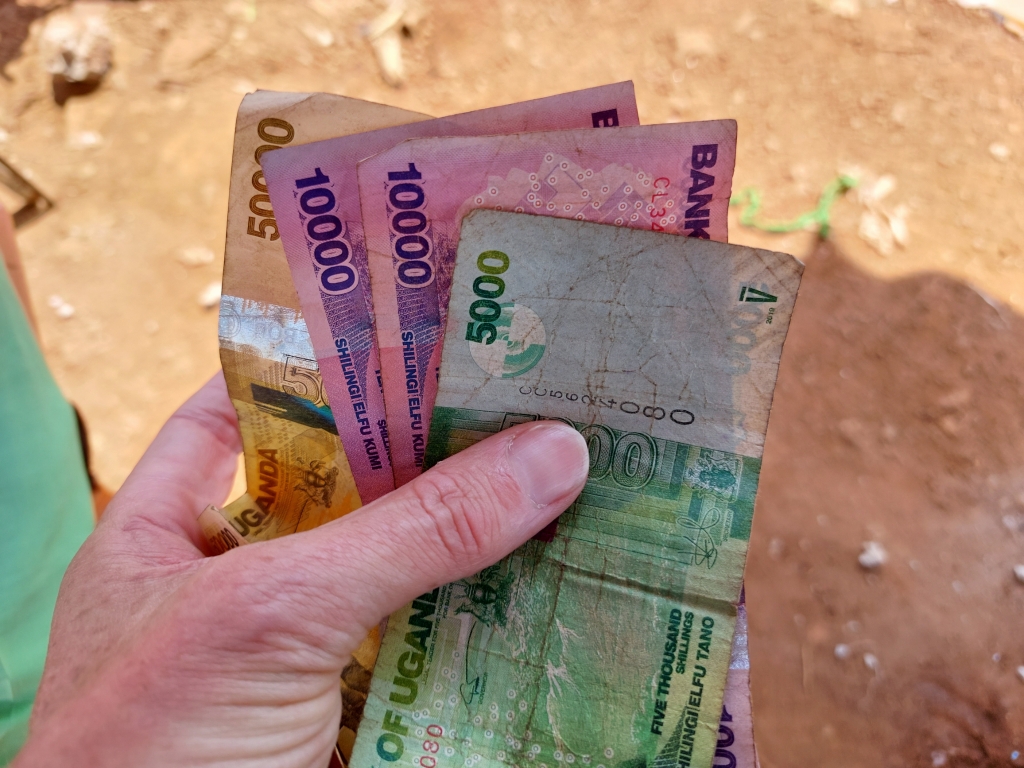
What Currency is Used in Uganda and Kenya?
When planning a safari in East Africa, one of the essential questions every traveler asks is, “What currency is used in Uganda and Kenya?” Understanding local currencies is crucial to ensure smooth transactions during Uganda Safaris, Kenya Safaris, and related Cultural Safaris. Uganda uses the Ugandan Shilling (UGX), while Kenya operates on the Kenyan Shilling (KES). Both countries offer vibrant and diverse safari experiences, from Uganda Gorilla Trekking and Uganda Chimpanzee Safaris to Kenya Best Safaris, Kenya Birding Safaris, and the world-famous Kenya Great Migration Safaris. Knowing the currency exchange system, payment methods, and availability of banking services ensures that tourists can budget appropriately for permits, park fees, accommodations, and cultural experiences such as engaging with the Maasai People. Renai Safaris emphasizes that travelers should carry a combination of cash and cards, as some remote safari lodges and camps may have limited access to electronic payment facilities. By understanding “What currency is used in Uganda and Kenya?”, safari-goers can navigate these destinations with confidence, enjoy Uganda Best Safaris, Kenya Cultural Safaris, and birding excursions, and focus entirely on immersive wildlife experiences without financial interruptions.
How can I access local currency in Uganda and Kenya?
Travelers often ask, “How can I access local currency in Uganda and Kenya?” Both countries provide multiple options for currency exchange and withdrawals, but accessibility varies by location. Major towns, cities, and airports have banks, authorized exchange bureaus, and ATMs where Ugandan Shillings and Kenyan Shillings are easily obtainable. During Uganda Safaris, especially in areas like Bwindi Impenetrable National Park for Gorilla Trekking or Kibale Forest for Uganda Chimpanzee Safaris, access to ATMs is limited. Therefore, Renai Safaris advises carrying adequate cash in small denominations to cover park fees, permits, and tips for guides. Similarly, Kenya Safaris in Nairobi, Maasai Mara, or Amboseli allow convenient access to currency services, while remote lodges in Kenya Best Safaris may only accept cash or pre-arranged payments. Using international debit or credit cards is possible in major hotels, safari camps, and urban centers, but having local currency ensures smoother transactions, particularly when engaging in Cultural Safaris with Maasai People or purchasing handcrafted souvenirs. By answering “What currency is used in Uganda and Kenya?”, travelers can plan financial logistics effectively, combining their wildlife exploration and cultural interactions seamlessly while maintaining control over their safari budget with Renai Safaris’ guidance.
What are the typical costs for safaris and cultural experiences in Uganda and Kenya?
Many visitors ask, “How much should I budget for Uganda and Kenya safaris?” Costs vary depending on the type of safari, duration, accommodations, and activities. Uganda Gorilla Trekking and Uganda Chimpanzee Safaris require permits ranging from $200 to $700 per person, reflecting conservation and management fees. Uganda Birding Safaris, on the other hand, are generally more affordable, allowing travelers to explore diverse bird species without extensive trekking permits. Kenya Great Migration Safaris and Kenya Best Safaris often include game drives, park fees, and accommodations in their pricing, which can range from $150 to $600 per day depending on luxury levels. Cultural Safaris involving interactions with Maasai People include additional costs for community contributions and local guides. Knowing “What currency is used in Uganda and Kenya?” allows travelers to prepare exact amounts in UGX or KES to avoid last-minute exchanges or over-reliance on card payments in areas with limited connectivity. Renai Safaris provides clear breakdowns for expenses, helping travelers allocate funds for transportation, meals, guided tours, and optional add-ons, ensuring an optimized and enjoyable safari experience without financial stress.
When is the best time to plan safaris considering financial logistics and local currency?
Tourists frequently ask, “When is the best time to plan safaris in Uganda and Kenya?” Timing influences not only wildlife viewing but also financial planning and cost optimization. Dry seasons from June to September and December to February are ideal for Uganda Gorilla Trekking, Uganda Chimpanzee Safaris, Kenya Birding Safaris, and Kenya Great Migration Safaris because trails are accessible, wildlife sightings are more predictable, and lodges and camps operate efficiently. Exchange rates fluctuate slightly during high tourist seasons, so travelers are encouraged to monitor rates before departure. Uganda Birding Safaris and Kenya Cultural Safaris benefit from off-peak travel with fewer crowds, providing better negotiation options for accommodations and local services. Understanding “What currency is used in Uganda and Kenya?” allows travelers to manage budgeting for peak and off-peak seasons, ensuring that payment for park permits, lodge accommodations, and cultural interactions aligns with current exchange rates, creating a seamless financial experience curated by Renai Safaris.
How can I combine Uganda Gorilla Trekking with Kenya Safaris?
A common question is, “Can I combine Uganda Gorilla Trekking with Kenya Safaris?” Combining these experiences provides a unique East African adventure that spans diverse landscapes, wildlife, and cultures. Travelers may start in Uganda for Gorilla Trekking in Bwindi Impenetrable National Park or Mgahinga Gorilla National Park, experiencing Uganda Chimpanzee Safaris and Uganda Birding Safaris. Following this, Kenya Safaris in the Maasai Mara, Amboseli, or Nakuru can showcase the Great Migration, Kenya Birding Safaris, and Kenya Cultural Safaris with the Maasai People. Knowledge of “What currency is used in Uganda and Kenya?” ensures smooth financial transitions across borders, with travelers prepared for Ugandan Shillings in Uganda and Kenyan Shillings in Kenya. Renai Safaris facilitates multi-country itineraries, including transportation, permits, lodging, and guide services, enabling a seamless combination of Uganda Best Safaris and Kenya Best Safaris. This approach allows visitors to maximize wildlife encounters, cultural experiences, and photographic opportunities while managing finances effectively in local currencies.
Why choose Renai Safaris for financial and logistical planning in Uganda and Kenya?
Many tourists ask, “Why should I choose Renai Safaris for Uganda and Kenya safaris?” Renai Safaris stands out for Experience, Expertise, Authoritativeness, and Trustworthiness, ensuring every aspect of the safari is professionally managed. From arranging Uganda Gorilla Trekking and Uganda Chimpanzee Safaris to Kenya Great Migration Safaris, Kenya Cultural Safaris, and Kenya Birding Safaris, Renai Safaris guides travelers through local currencies, budgeting, permit management, and seamless cross-border planning. Knowledge of “What currency is used in Uganda and Kenya?” is integrated into the itinerary, helping travelers allocate funds for accommodations, park fees, cultural experiences with Maasai People, and optional Uganda Birding Safaris. Additionally, Renai Safaris ensures safe and ethical wildlife interactions, conservation compliance, and memorable cultural engagement, enhancing the overall safari experience. Travelers can enjoy Uganda Best Safaris and Kenya Best Safaris with confidence, knowing that both wildlife and financial logistics are expertly handled.
Conclusion: What currency is used in Uganda and Kenya?
In conclusion, understanding “What currency is used in Uganda and Kenya?” is fundamental to planning an enjoyable and stress-free safari. Uganda uses the Ugandan Shilling (UGX), while Kenya relies on the Kenyan Shilling (KES). Adequate preparation for currency access, including cash, cards, and knowledge of exchange services, ensures smooth transactions for Uganda Gorilla Trekking, Uganda Chimpanzee Safaris, Uganda Birding Safaris, Kenya Best Safaris, Kenya Great Migration Safaris, Kenya Birding Safaris, and Kenya Cultural Safaris. Combining multi-country itineraries requires awareness of financial planning across borders, and off-peak travel may optimize costs and accessibility. Renai Safaris provides expertise in managing all aspects of safari logistics, from permits and park fees to cultural interactions with the Maasai People and optional guided experiences. By addressing “What currency is used in Uganda and Kenya?”, travelers gain confidence in budgeting, financial management, and planning for immersive wildlife and cultural adventures, ensuring an unforgettable safari experience across East Africa.