
Does Crossing the Equator Affect Time or Weather?
January 12, 2026
How Close Do Vehicles Get to the Animals?
January 12, 2026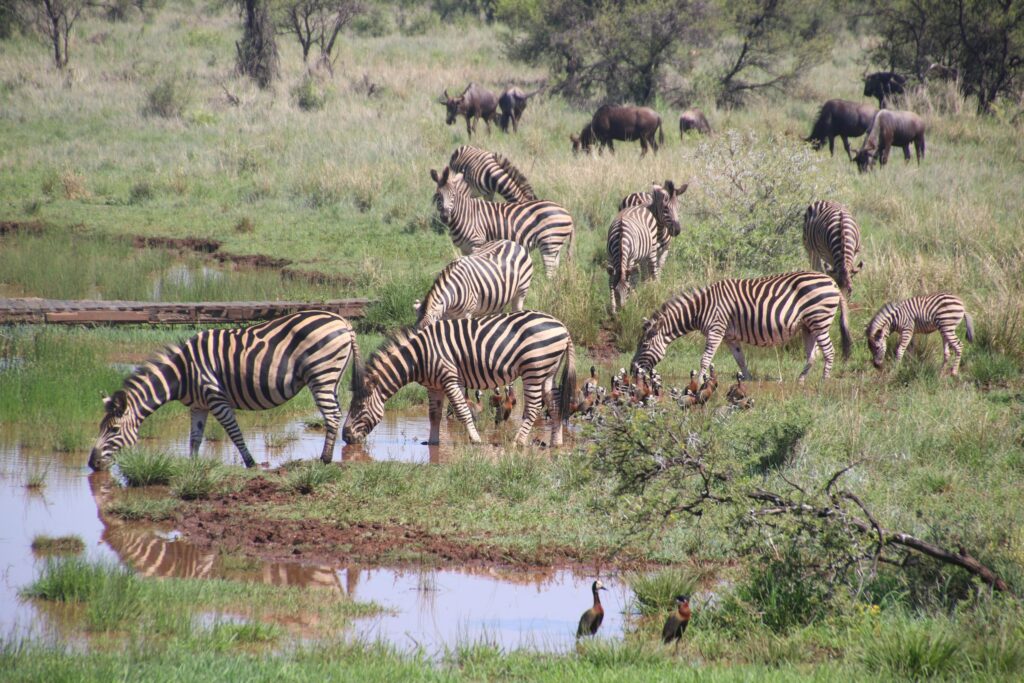
Does Weather Affect Wildlife Viewing?
Does weather affect wildlife viewing on Kenya Safaris? Absolutely, as climate patterns significantly shape animal behavior, vegetation, and accessibility of game areas. During Kenya’s dry seasons, from June to October, water sources become concentrated, which naturally draws wildlife such as lions, elephants, buffalo, and leopards into predictable locations. This period coincides with the spectacular Kenya Great Migration Safaris, when millions of wildebeest and zebras cross rivers in the Maasai Mara. In contrast, the wet season from March to May brings lush landscapes but disperses wildlife across broader areas, making sightings less predictable. Tourists interested in Kenya Birding Safaris may find migratory bird activity peaks during wet months when wetlands and lakes teem with colorful species, offering extraordinary photographic opportunities.
How can travelers reach these safari destinations? Lodges and camps are strategically located within or near wildlife corridors in Maasai Mara, Amboseli, and Lake Naivasha, allowing convenient road or domestic flight transfers from Nairobi. Expectations include morning and evening game drives, guided nature walks, and optional hot-air balloon safaris over the savannah. Costs range from $300 to $700 per day depending on lodge standard, duration, and inclusions such as cultural visits to the Maasai People. Choosing Murchison Falls Tours ensures expert guides familiar with seasonal wildlife patterns, well-maintained vehicles for all weather conditions, and itineraries that can combine Kenya Big Five experiences with Uganda Gorilla Trekking, creating a multi-country adventure optimized for both wildlife and climate.
How Does Weather Impact Uganda Safaris?
Does weather affect wildlife viewing on Uganda Safaris? Yes, rainfall and temperature influence animal movement, vegetation growth, and trekking conditions. National parks like Murchison Falls and Queen Elizabeth National Park are more accessible during dry months—December to February and June to September—when roads are passable, and game is concentrated near rivers and lakes. Heavy rains in April and November can make some routes muddy, limiting vehicle access, but forests such as Bwindi Impenetrable maintain dense wildlife habitats year-round. Trekkers participating in Gorilla Trekking or Uganda Chimpanzee Safaris will encounter wetter trails during rainy seasons, while dry months offer firmer paths, better visibility, and a safer trekking experience. For Uganda Birding Safaris, rainfall often increases bird activity in forests, enhancing chances to spot rare species such as the shoebill stork, great blue turaco, and African finches.
How can visitors reach these safari areas? Transfers from Entebbe or Kampala, by road or air, lead to strategically located lodges that minimize travel time to wildlife zones. Expectations include guided game drives, birdwatching excursions, and forest treks for gorillas or chimpanzees. Costs range from $350 to $800 per day depending on activities and accommodations. Optimal viewing periods coincide with dry seasons, yet rain does not eliminate wildlife experiences entirely, as animals remain active and birds proliferate. Choosing Murchison Falls Tours ensures expert planning, vehicles suited for wet or dry conditions, and the opportunity to combine Uganda’s primate encounters with Kenya’s Big Five for a seamless East African safari adventure.
How Can Weather Influence Cultural Safari Experiences?
Does weather affect wildlife viewing in relation to Cultural Safaris? Indirectly, yes. In Kenya, visiting the Maasai People during dry seasons allows smoother road access and participation in outdoor cultural activities, including traditional dances, beadwork demonstrations, and livestock ceremonies. Heavy rains may restrict village visits or outdoor workshops but increase the vibrancy of green landscapes and agricultural practices. In Uganda, cultural excursions around Murchison Falls or Bwindi forests remain accessible year-round, but dry seasons enhance comfort for travel and exploration. Vehicles used for safari drives are designed to handle varying weather conditions, ensuring visitors enjoy both wildlife and cultural experiences safely.
How can travelers integrate cultural experiences with wildlife viewing? Lodges positioned near communities and game areas allow short drives to cultural sites without compromising Big Five or primate viewing. Expectations include guided interactions, participatory workshops, and photography opportunities alongside educational insights into conservation practices. Costs generally range from $250 to $700 per day depending on accommodations and inclusions. Optimal months are dry seasons, but wet periods offer unique photographic and environmental perspectives. Choosing Murchison Falls Tours guarantees professional guides, weather-appropriate vehicles, and combined itineraries that seamlessly merge Kenya Best Safaris, Uganda Best Safaris, and Gorilla Trekking into one cohesive, weather-conscious adventure.
How Do Weather Conditions Affect Game Drive Vehicles?
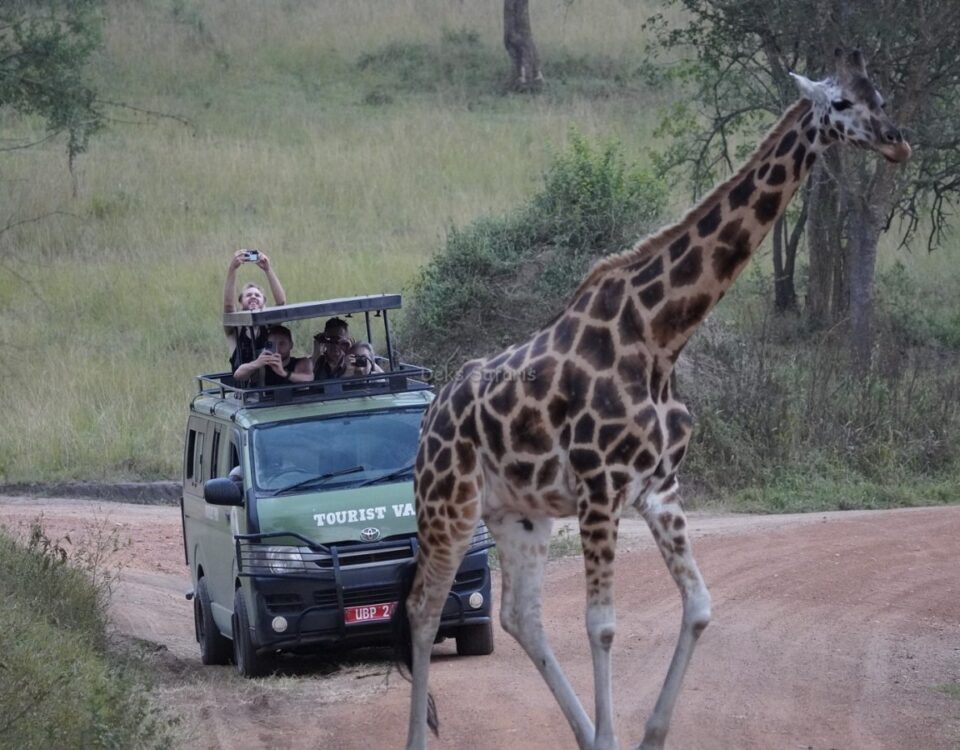
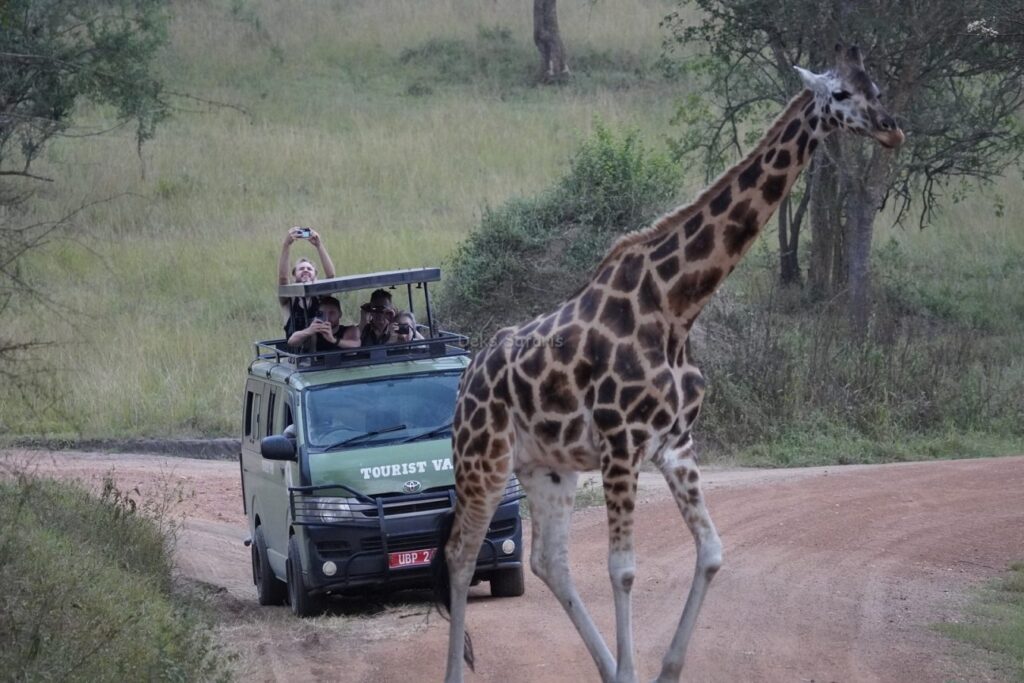
Does weather affect wildlife viewing when considering safari vehicles? Certainly, as road and trail conditions influence accessibility and safety. Vehicles on Kenya Safaris and Uganda Safaris are typically high-clearance 4x4s, equipped with pop-up roofs, reinforced suspensions, and sometimes waterproof interiors to navigate both dusty dry tracks and muddy wet trails. In the Maasai Mara, dry roads ensure smooth game drives, while the rainy season demands off-road capability to reach wildlife hotspots. In Uganda, routes in Murchison Falls and Bwindi forests are heavily affected by rainfall, requiring robust vehicles that can handle slippery or rugged terrain. Pop-up roofs remain essential for wildlife and bird observation, regardless of weather.
How do travelers prepare for different conditions? Professional guides provide rain gear, binoculars, and advice on optimal driving patterns to maintain visibility and comfort. Expectations include sunrise and sunset drives timed to animal activity, with the flexibility to adjust routes during heavy rain or storms. Costs typically range from $300 to $700 per day depending on vehicle type, park location, and included services. Peak viewing occurs during dry months, yet vehicles are equipped to ensure uninterrupted safaris year-round. Murchison Falls Tours offers expertly maintained vehicles, skilled drivers familiar with seasonal terrain challenges, and combined itineraries including Uganda Gorilla Trekking, ensuring travelers experience wildlife without compromise.
Why Choose Murchison Falls Tours for Weather-Savvy Safaris?
Does weather affect wildlife viewing when planning with Murchison Falls Tours? Yes, but strategic planning ensures a safe and rewarding safari experience. The company selects lodges, vehicles, and routes based on seasonal weather patterns to maximize Big Five sightings, birding opportunities, and primate trekking conditions. Travelers benefit from high-clearance 4×4 vehicles, pop-up roofs, and professional guides who adjust daily schedules according to rain, heat, or wind to maintain optimal wildlife encounters. Combined itineraries allow seamless transitions from Kenya Cultural Safaris, Kenya Great Migration Safaris, and Kenya Birding Safaris to Uganda Chimpanzee Safaris, Gorilla Trekking, and forest birdwatching.
How can travelers ensure a smooth safari despite changing weather? Choosing Murchison Falls Tours guarantees logistical support, weather-appropriate transportation, and expert guidance to navigate wet or dry conditions efficiently. Expectations include customized game drives, cultural experiences with the Maasai People, birdwatching, and primate trekking in Uganda. Costs vary from $250 to $900 per day depending on accommodations, vehicle type, and tour inclusions. Optimal travel windows are the dry months, but rain seasons enhance landscape photography and bird activity. Murchison Falls Tours’ expertise ensures travelers enjoy both wildlife and cultural experiences while safely adapting to weather conditions for an unforgettable, multi-country East African safari.