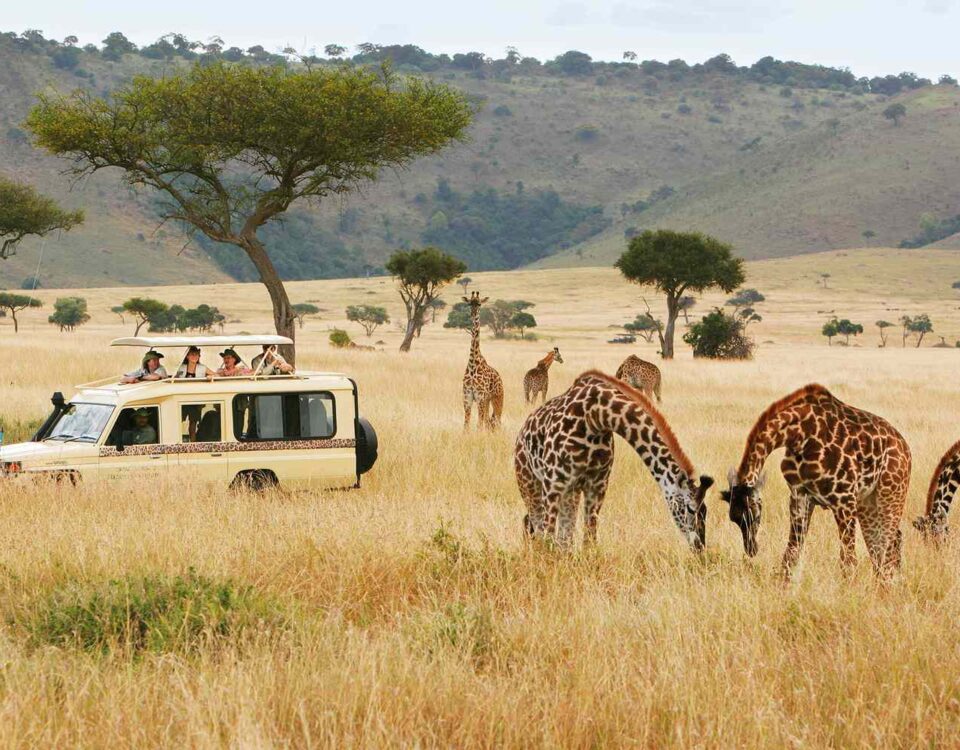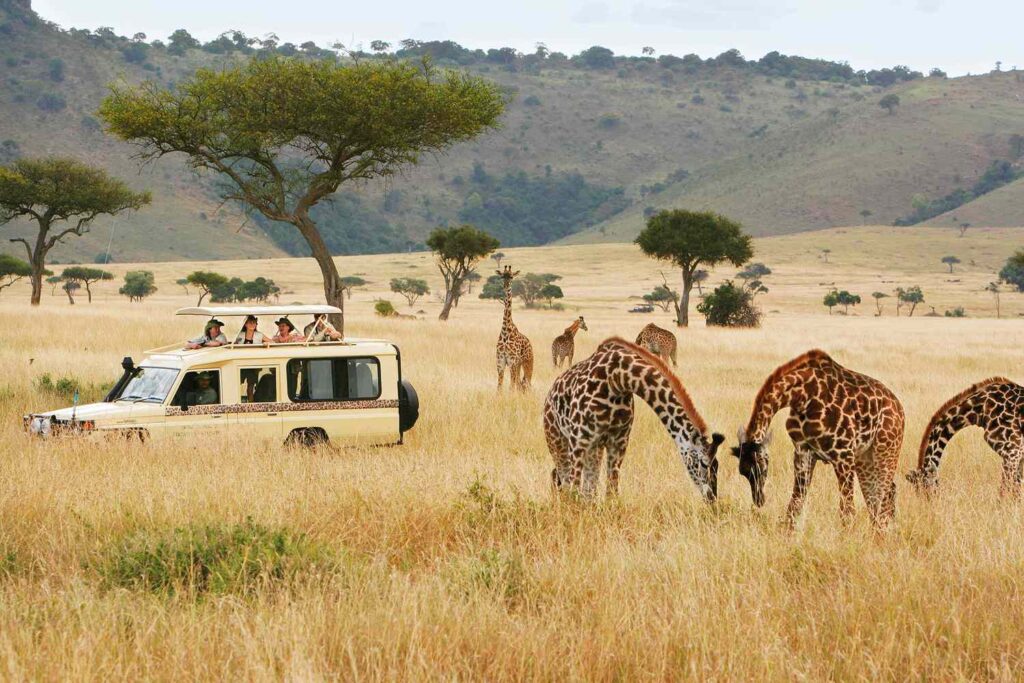
Can I cross the Equator in Kenya?
January 7, 2026
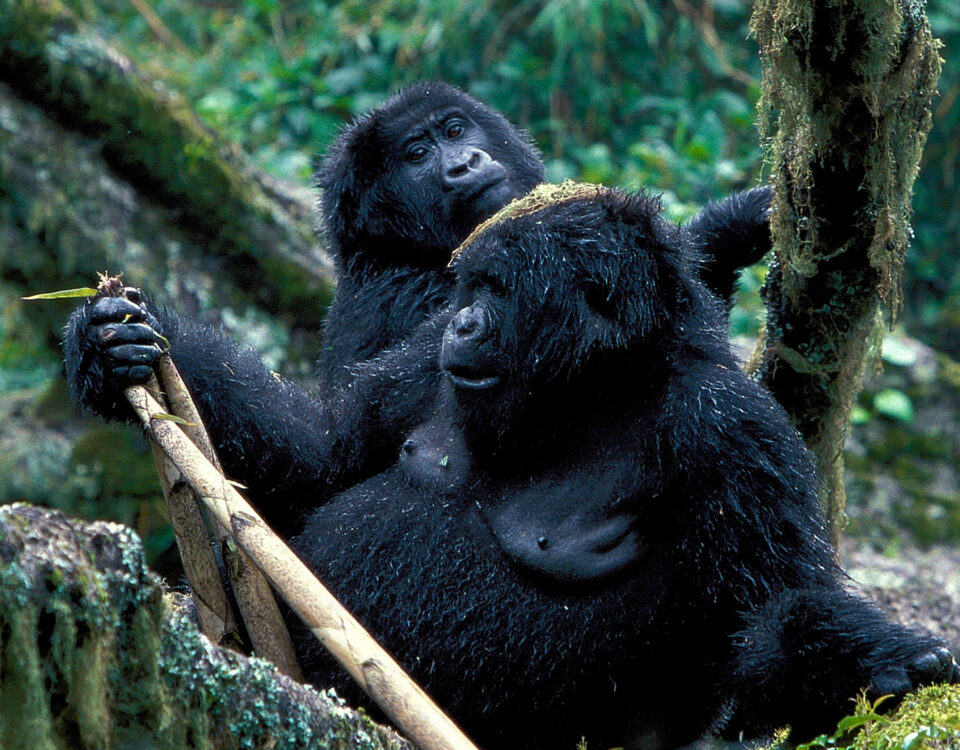
Are Big Five Animals Dangerous During Rwanda-Uganda Safaris?
January 8, 2026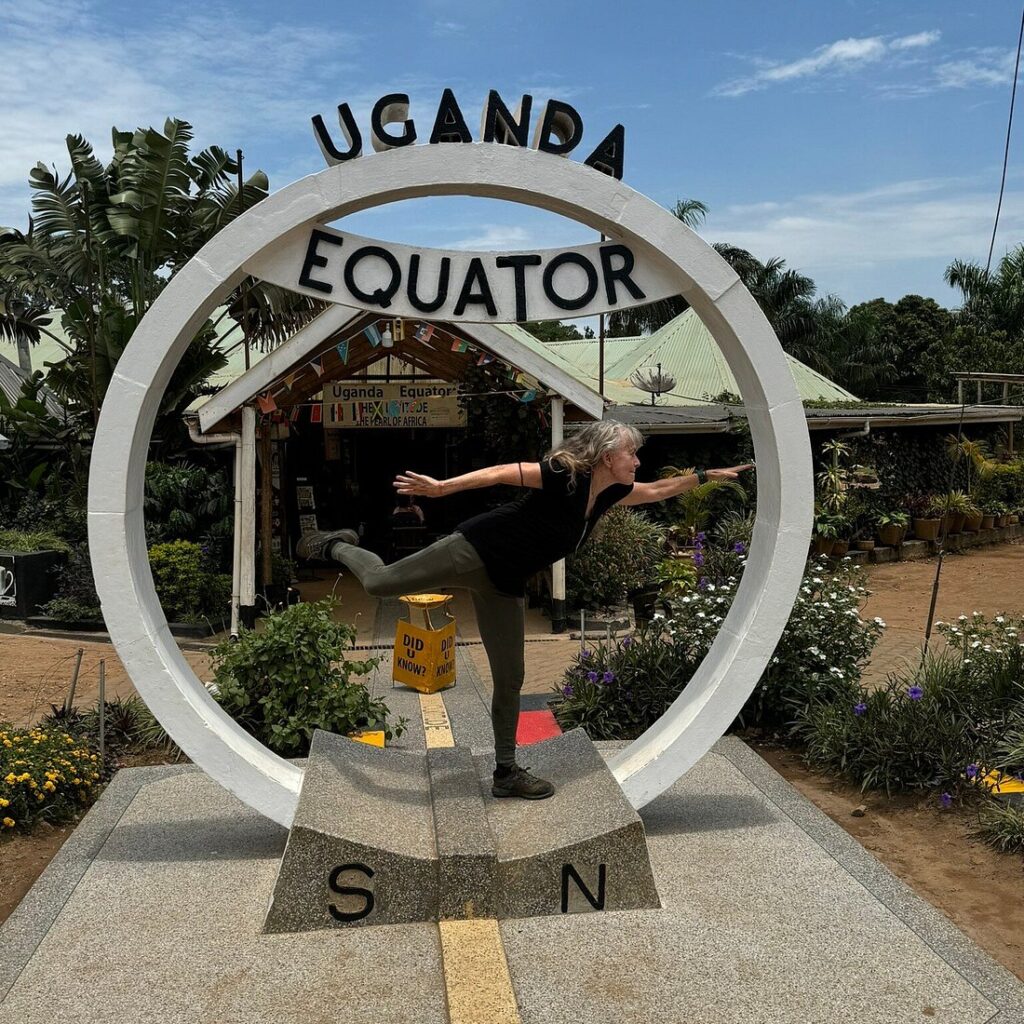
Can I Cross the Equator in Uganda?
When asking, “Can I cross the Equator in Uganda?”, travelers are often surprised by the wealth of experiences that surround this geographical marvel. Uganda, known as the “Pearl of Africa,” is uniquely positioned along the Equatorial line, offering visitors a chance to experience standing in both the Northern and Southern Hemispheres simultaneously. Beyond this fascinating phenomenon, Uganda presents some of the most unforgettable safari adventures in Africa. From lush rainforests teeming with primates to sweeping savannahs alive with elephants, giraffes, and buffalo, the country has become a premier destination for wildlife enthusiasts. For tourists planning Uganda Safaris, the Equator crossing experience can easily be combined with Gorilla Trekking, Uganda Chimpanzee Safaris, or Uganda Birding Safaris to create a truly diverse journey. Moreover, cultural insights offered by the local communities enrich every visit, allowing tourists to witness traditions, music, dance, and craftwork that have been preserved for generations. Many visitors also include Kenya in their itineraries, linking Kenya Safaris, Kenya Birding Safaris, and Kenya Cultural Safaris to their Uganda adventures, resulting in an East African experience that blends natural wonders with human heritage. Renai Safaris emphasizes that understanding “Can I cross the Equator in Uganda?” is not just about geography; it’s a gateway to immersive experiences in wildlife, culture, and adventure, tailored for travelers seeking both authenticity and comfort.
Why visit the Equator in Uganda? What makes this safari unique?
Visitors often ask, “Why should I visit the Equator in Uganda?” The answer lies not only in the novelty of crossing the invisible line that divides the planet but also in the surrounding attractions and biodiversity. The Equator in Uganda runs through the central region near Kampala, Entebbe, and the Mukono district, making it accessible for both short excursions and extended safari trips. Travelers can experience a range of interactive demonstrations that illustrate the Coriolis effect, including simple experiments where water drains in opposite directions depending on which hemisphere it is poured from. Beyond the science, the area surrounding the Equator offers vibrant cultural encounters. Local communities welcome tourists to markets, villages, and craft centers where visitors can learn about traditional lifestyles and ceremonies. Many choose to combine this stop with Uganda Birding Safaris, spotting species that thrive in equatorial forests and wetlands. Alternatively, those seeking larger mammals can venture slightly farther to areas that host Uganda Best Safaris, including savannah drives and primate trekking. Costs for visiting the Equator are generally minimal, making it a budget-friendly addition to more extensive safari itineraries. By addressing “Can I cross the Equator in Uganda?”, travelers not only engage with a rare geographical landmark but also gain insight into local traditions, wildlife diversity, and the seamless way Uganda’s destinations can be integrated into multi-experience journeys.
How can I reach the Equator in Uganda? What are the best travel routes?
When planning a visit to answer the question, “Can I cross the Equator in Uganda?”, understanding transportation logistics is essential. Most travelers arrive at Entebbe International Airport, which serves as the main gateway to Uganda Safaris. From there, well-maintained roads connect visitors to equatorial sites near Kampala, Mukono, and Kayabwe, with travel times ranging from 45 minutes to two hours depending on the chosen route. Guided tours often combine transportation with cultural or wildlife experiences, ensuring seamless movement between destinations. Those integrating Kenya Safaris or Kenya Cultural Safaris into their itineraries may fly into Nairobi first and then cross into Uganda, creating a rich East African adventure. While public transportation options exist, private vehicles or organized tours by reputable companies like Renai Safaris provide safety, comfort, and expert guidance. Travelers should expect moderate road conditions, scenic landscapes, and occasional stops for photo opportunities, particularly when approaching rural communities. Combining the Equator crossing with Uganda Chimpanzee Safaris or Gorilla Trekking in Bwindi allows visitors to experience both unique wildlife encounters and the thrill of standing at the Earth’s midpoint. Planning in advance ensures access to guides, permits for specialized safaris, and recommended lodges. By focusing on “Can I cross the Equator in Uganda?”, visitors can integrate their journey efficiently with Uganda’s best safari offerings, optimizing both time and cost while experiencing unparalleled East African diversity.
What wildlife can I expect near the Equator in Uganda?
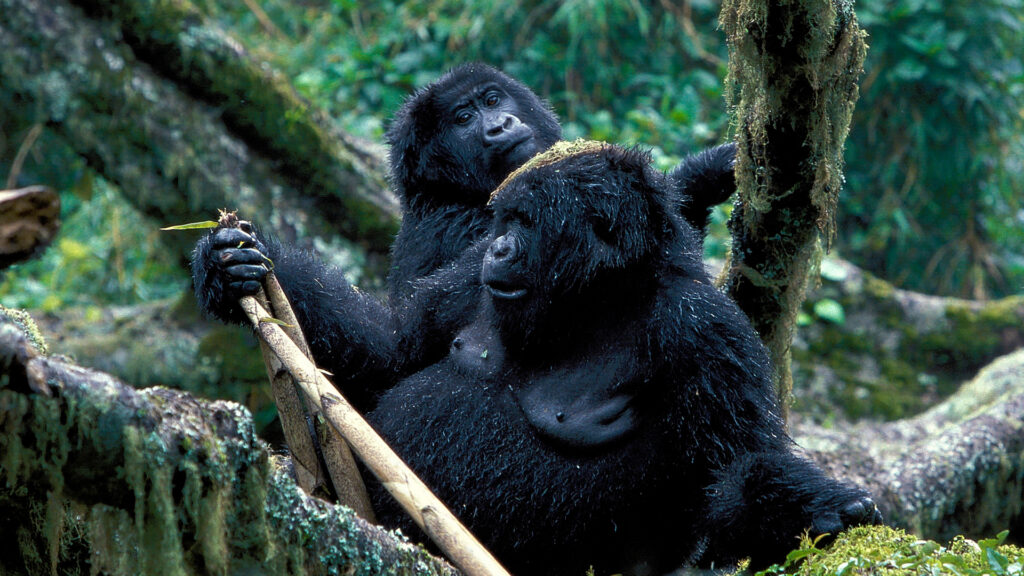
Many travelers wonder, “What can I see while crossing the Equator in Uganda?” While the Equator itself is a point of interest, the surrounding regions host diverse wildlife experiences that rival the most famous safari destinations. Birding enthusiasts will delight in Uganda Birding Safaris, with equatorial wetlands attracting rare and migratory species, including kingfishers, hornbills, and bee-eaters. Mammal sightings are accessible in nearby parks, where guided tours showcase elephants, primates, and other indigenous species. Uganda Chimpanzee Safaris in Kibale National Park, accessible from the central region, provide the chance to observe primates in their natural habitats, while Gorilla Trekking in Bwindi or Mgahinga offers a once-in-a-lifetime encounter with these gentle giants. Combining the Equator crossing with Uganda Best Safaris ensures travelers can experience both micro-ecosystems near the Equator and larger ecosystems deeper in the country. Cultural Safaris add depth, featuring interactions with communities who rely on traditional agricultural practices and respect for the surrounding environment. Wildlife tours are typically conducted by trained guides who emphasize both safety and conservation, ensuring that animals remain undisturbed while tourists enjoy close encounters. By considering “Can I cross the Equator in Uganda?”, visitors are not only participating in a geographical adventure but also opening the door to a full spectrum of East African wildlife and cultural experiences, guided by experts who understand the region intimately.
When is the best time to cross the Equator in Uganda?
The question, “Can I cross the Equator in Uganda at any time of year?” often arises among travelers aiming to optimize their safari experience. While the Equator itself is accessible year-round, timing affects surrounding safari activities and wildlife encounters. Dry seasons, from June to September and December to February, are ideal for Uganda Safaris, providing easier access to forests, national parks, and cultural sites. Trails for Gorilla Trekking and Uganda Chimpanzee Safaris are more navigable, and wildlife visibility is higher due to animals congregating near water sources. Rainy seasons, while wetter, transform the landscape into a lush, vibrant paradise, perfect for birding enthusiasts during Uganda Birding Safaris, as migratory birds arrive in large numbers. Kenya Best Safaris also follow similar seasonal rhythms, so combining Uganda and Kenya experiences can be optimized by traveling during dry months for savannah game drives and dry forest trekking. Cultural Safaris benefit from consistent access to villages and communities regardless of season, but festivals and local events are often scheduled during drier months. Renai Safaris advises that travelers plan around these seasonal patterns to maximize wildlife viewing, photography conditions, and overall comfort, ensuring that the answer to “Can I cross the Equator in Uganda?” becomes part of a well-rounded and memorable East African safari experience.
How much does it cost to cross the Equator in Uganda and enjoy surrounding safaris?
Travelers frequently ask, “Can I cross the Equator in Uganda without breaking the budget?” The cost is surprisingly accessible. Visiting the Equator itself often involves a nominal fee for guided demonstrations and parking. However, when combined with Uganda Safaris or Uganda Chimpanzee Safaris, expenses increase due to permits, park fees, accommodations, and professional guiding. Gorilla Trekking in Bwindi represents the largest cost component, as permits are highly regulated to protect the endangered species. Uganda Birding Safaris, cultural experiences, and short excursions to local communities are generally moderate in price. Multi-destination packages offered by Renai Safaris often combine Equator visits with Uganda Best Safaris and Kenya Safaris, ensuring cost-efficiency while maximizing experiences. Visitors can tailor itineraries based on budget, desired level of luxury, and duration, balancing adventure with comfort. By understanding the expenses associated with “Can I cross the Equator in Uganda?”, travelers can plan thoughtfully, ensuring access to both geographical wonders and premium safari experiences without surprises, while enjoying an itinerary curated by experts familiar with East African tourism.
What cultural experiences can I enjoy when visiting the Equator?
Many ask, “Can I cross the Equator in Uganda and also experience local culture?” The answer is a resounding yes. The central region, where the Equator is located, is rich in cultural heritage. Visitors can interact with local communities, witnessing traditional music, dance, and storytelling. Markets offer an opportunity to purchase hand-crafted artifacts, from baskets to textiles, directly supporting local artisans. Cultural Safaris in Uganda often pair these experiences with wildlife encounters, providing a holistic perspective on the country’s natural and human heritage. Kenya Cultural Safaris complement this approach, with Maasai People offering insights into pastoral lifestyles, traditional beadwork, and age-old ceremonies. Travelers seeking a combined East African safari experience can seamlessly integrate Kenya and Uganda cultural visits, ensuring an understanding of the region’s diverse traditions. Expectations include respectful engagement, participatory activities, and authentic storytelling, allowing tourists to connect meaningfully with communities. By considering “Can I cross the Equator in Uganda?”, visitors gain access to both a unique geographical landmark and a gateway into Uganda’s living cultural landscape, enriching every safari itinerary.
Can I combine Equator crossing with Gorilla Trekking and other safaris?
Many adventurous travelers ask, “Can I cross the Equator in Uganda and combine it with Gorilla Trekking?” The answer is yes, and it represents one of the most rewarding safari strategies in East Africa. The central Equator is ideally positioned to serve as a stopover before heading to Bwindi or Mgahinga National Parks for Gorilla Trekking. Travelers may also integrate Uganda Chimpanzee Safaris, Uganda Birding Safaris, or Murchison Falls Tours into a single itinerary. Combining these experiences allows for a rich diversity of landscapes, wildlife, and cultural encounters in one journey. Costs and logistics are simplified when arranged through trusted operators like Renai Safaris, who provide expert guidance, domestic flights, permits, and accommodations tailored to each traveler’s interests. Travelers can expect well-organized transitions, knowledgeable guides, and memorable wildlife encounters, ensuring that the Equator visit becomes a seamless part of a broader adventure. By asking “Can I cross the Equator in Uganda?”, tourists unlock a flexible hub that connects equatorial exploration with Uganda Best Safaris and beyond, creating an itinerary that rivals any East African adventure.
Why choose Renai Safaris for Equator and Uganda adventures?
The ultimate question often is, “Why should I trust Renai Safaris when exploring the Equator and Uganda Safaris?” Renai Safaris combines decades of local expertise with international tourism standards, ensuring every journey is safe, authentic, and memorable. Guides are trained in wildlife behavior, cultural history, and sustainable tourism practices. Seasonal planning advice, itinerary customization, and premium accommodation choices help travelers maximize their experiences while minimizing stress. By understanding “Can I cross the Equator in Uganda?”, Renai Safaris ensures clients integrate this unique experience with Uganda Safaris, Gorilla Trekking, Uganda Chimpanzee Safaris, and Kenya Best Safaris for a complete East African adventure. Trustworthiness and authority are central to operations, with transparent pricing, ethical partnerships, and attention to environmental conservation. Visitors can expect personalized service, immersive wildlife and cultural experiences, and expert advice to craft the safari of their dreams. Choosing Renai Safaris transforms the Equator crossing from a simple photo opportunity into a professional, enriching journey that strengthens any safari itinerary while ensuring unforgettable memories in Uganda and East Africa.
Conclusion: Can I cross the Equator in Uganda?
In conclusion, the answer to “Can I cross the Equator in Uganda?” is a definitive yes, and it opens the door to one of the richest safari experiences in Africa. From standing at the midpoint of the planet to combining Uganda Safaris, Uganda Chimpanzee Safaris, Gorilla Trekking, Uganda Birding Safaris, and Cultural Safaris, travelers gain access to unparalleled natural and cultural diversity. The central Equator offers accessibility, educational experiences, and easy integration with Uganda Best Safaris and Kenya Safaris, including Kenya Birding Safaris, Kenya Cultural Safaris, and Kenya Great Migration Safaris. Costs are flexible, seasonal timing enhances visibility and comfort, and cultural immersion adds a meaningful layer to the journey. By choosing Renai Safaris, travelers gain expertise, trust, and authority, ensuring that their adventure across the Equator becomes part of a larger, unforgettable East African safari. Whether for wildlife, culture, or the thrill of standing on the invisible line dividing the hemispheres, crossing the Equator in Uganda is a must-do experience that perfectly complements the best safaris the region has to offer.