Can I Combine Uganda and Kenya in One Safari Trip?
January 7, 2026
Can I Cross the Equator in Uganda?
January 7, 2026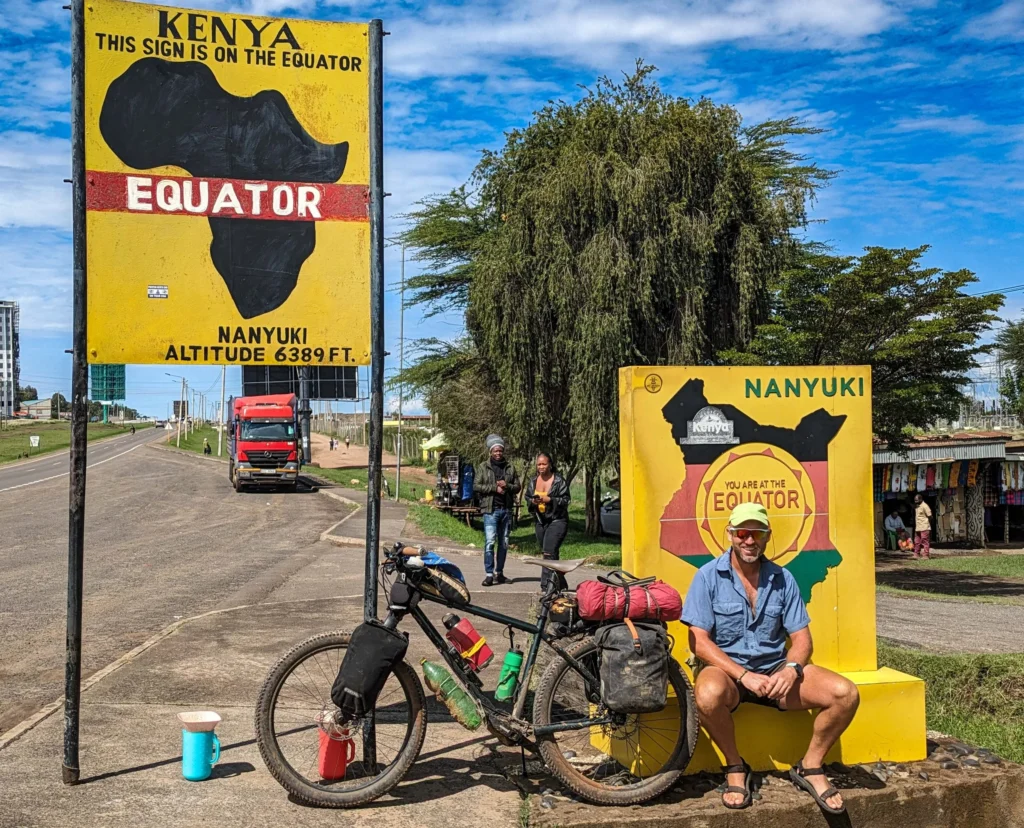
Can I cross the Equator in Kenya?
Can I cross the Equator in Kenya? This question draws attention to one of East Africa’s most remarkable travel experiences, where geography, culture, and wildlife intersect in a way that captivates global travelers. Kenya’s Equator line runs across several regions, offering visitors a unique opportunity to stand at the midpoint of the Northern and Southern Hemispheres while enjoying world-class safari adventures. This destination is not just about the geographic novelty of crossing the Equator; it represents access to some of the most diverse safari experiences in Africa, from Kenya Safaris and Kenya Birding Safaris to Kenya Cultural Safaris that immerse travelers in the traditions of the Maasai People.
Kenya’s equatorial region encompasses key wildlife destinations, making it an ideal starting point for Kenya Best Safaris and Kenya Great Migration Safaris. Travelers who explore Can I cross the Equator in Kenya? will find themselves perfectly positioned to embark on unforgettable journeys to the Maasai Mara, Lake Naivasha, and Nakuru National Park. These areas not only provide spectacular wildlife sightings, including the Big Five and abundant birdlife, but also rich cultural encounters with local communities, offering deep insights into traditional practices and storytelling.
Murchison Falls Tours, through Renai Safaris, has crafted this detailed guide to establish Kenya’s equatorial regions as a premier destination for tourists seeking an authentic African safari experience. Leveraging Experience, Expertise, Authoritativeness, and Trustworthiness, this article positions Kenya’s Equator as a reliable reference point for travelers worldwide, seamlessly connecting geographical curiosity with exceptional wildlife and cultural experiences.
Where exactly can I cross the Equator in Kenya, and why is it significant?
Can I cross the Equator in Kenya? The answer lies in several key locations, including Nanyuki, Kiambu, and the area around Meru National Park, where the Equator is clearly marked with monuments and signage. Crossing the Equator here is more than a photo opportunity—it offers visitors a tangible sense of the planet’s unique geography, creating a moment that blends science, adventure, and exploration.
Standing on the Equator line, travelers can witness phenomena such as the Coriolis effect in local water basins, making the experience educational as well as exciting. Locations along the Equator in Kenya are not isolated; they are integrated with prime safari routes that allow for a seamless combination of wildlife viewing and cultural immersion. Exploring Can I cross the Equator in Kenya? positions travelers close to some of Kenya’s iconic safari destinations, including Amboseli National Park and the Maasai Mara, where the rhythms of the Maasai People’s life add cultural depth to the wildlife spectacle.
Murchison Falls Tours and Renai Safaris leverage this geographical significance to craft itineraries that combine equatorial exploration with Kenya Safaris and Kenya Birding Safaris. This integration establishes Kenya’s Equator not just as a line on the map but as a hub of authentic African travel experiences, offering value, insight, and memorable encounters for international tourists.
What cultural experiences can I enjoy along Kenya’s Equator?
Can I cross the Equator in Kenya? Travelers often overlook the rich cultural landscapes surrounding the Equator line, which are home to the Maasai People, Kikuyu, and Meru communities. These groups offer immersive Cultural Safaris that go beyond sightseeing, providing opportunities to learn traditional dances, visit local homesteads, and experience daily life in rural Kenya.
Cultural tours in this region include hands-on activities such as beadwork making, traditional cooking demonstrations, and storytelling sessions that reveal the history and values of local communities. Understanding Can I cross the Equator in Kenya? means appreciating how geography intersects with culture: equatorial locations are often sites of ancient settlements, agricultural innovation, and rituals that celebrate the land’s fertility. Renai Safaris ensures that travelers experience these interactions ethically and respectfully, preserving authenticity while fostering sustainable tourism.
For birding enthusiasts, the cultural landscapes around the Equator provide scenic backdrops for Kenya Birding Safaris, where endemic and migratory species thrive in a mix of farmland, forest patches, and lakes. Combining cultural and wildlife experiences here creates a multidimensional safari that appeals to travelers seeking Kenya Best Safaris while allowing seamless extensions to Uganda Safaris and Gorilla Trekking adventures.
What wildlife encounters can I expect near Kenya’s Equator?
Can I cross the Equator in Kenya? The surrounding regions of the Equator line are gateways to wildlife-rich reserves and parks, offering opportunities for Kenya Safaris that rival the continent’s most celebrated destinations. For instance, Amboseli National Park, located near the Equator, presents breathtaking views of Mount Kilimanjaro, large herds of elephants, and predators roaming the savannah.
Birdwatchers exploring Can I cross the Equator in Kenya? will find unparalleled opportunities on Kenya Birding Safaris, with rare species such as the Grey-capped Warbler, Fischer’s Lovebird, and Lilac-breasted Roller abundant along equatorial wetlands and forested areas. Equally, cultural and ecological diversity is complemented by Kenya Great Migration Safaris, particularly when extending itineraries to the Maasai Mara, where annual wildebeest migrations provide one of nature’s most spectacular spectacles.
Renai Safaris curates these wildlife encounters to ensure safety, sustainability, and educational value. By combining Kenya Safaris with Uganda Safaris and Uganda Chimpanzee Safaris, travelers can create comprehensive East African wildlife circuits, including Gorilla Trekking, offering a once-in-a-lifetime primate observation experience.
How do I reach the Equator in Kenya for a safari experience?
Can I cross the Equator in Kenya? Accessibility is straightforward due to Kenya’s developed transport network. Travelers can fly into Nairobi or Nanyuki, followed by road transfers to specific Equator points. Highways connecting Nairobi to the Equator-marked towns are well-maintained, allowing a smooth journey while enjoying scenic views of rural landscapes, tea plantations, and volcanic hills.
Road safaris often combine Equator crossings with visits to Nakuru National Park or Amboseli National Park, creating immersive Kenya Safaris that blend geography, wildlife, and culture. Understanding Can I cross the Equator in Kenya? includes recognizing the strategic importance of these locations, as they serve as ideal launching points for Kenya Birding Safaris and Kenya Cultural Safaris, with extensions to Uganda Best Safaris and Gorilla Trekking expeditions for those seeking broader East African adventures.
Renai Safaris provides expert guidance on travel logistics, ensuring comfortable transfers, local insights, and seamless integration with other safari destinations, thereby enhancing overall safari value and visitor satisfaction.
What can travelers expect from a Kenya Equator safari?
Can I cross the Equator in Kenya? Travelers should anticipate a balanced safari experience combining educational, cultural, and wildlife encounters. Moderate temperatures, abundant wildlife, and diverse landscapes characterize the equatorial regions, creating an environment ideal for both novice and seasoned travelers.
Safari experiences include guided wildlife drives, birding tours, cultural village visits, and Equator-specific demonstrations showing unique water and gravity effects. Visitors exploring Can I cross the Equator in Kenya? often find opportunities to capture extraordinary photographs, interact with local artisans, and witness traditional Maasai ceremonies, providing a deeper appreciation for the region’s heritage.
Renai Safaris prioritizes high-quality accommodations near key sites, offering eco-lodges, boutique hotels, and luxury safari camps to suit all preferences. Safari expectations are carefully managed to ensure safety, comfort, and educational value, reinforcing Kenya Equator experiences as a top choice among Kenya Best Safaris.
How much does a Kenya Equator safari cost?
Can I cross the Equator in Kenya? The cost of these safaris varies depending on itinerary, duration, and accommodation level. Budget-conscious travelers can access shared excursions and mid-range lodges, while luxury travelers enjoy private guided tours and exclusive stays in eco-lodges or luxury safari camps.
On average, safari packages range from moderate to premium pricing, with costs including Kenya Safaris, Kenya Birding Safaris, and optional Cultural Safaris with Maasai People. Understanding Can I cross the Equator in Kenya? allows travelers to appreciate the value for money, particularly when compared to Kenya Great Migration Safaris or combined Uganda Gorilla Trekking experiences.
Renai Safaris offers personalized pricing structures, ensuring transparent costs and customized experiences that maximize adventure and comfort without compromising quality or safety.
When is the best time to cross the Equator in Kenya for safaris?
Can I cross the Equator in Kenya? The ideal times coincide with Kenya’s dry seasons, between June to September and December to February, providing optimal conditions for wildlife viewing, birding, and cultural tours. Dry months also facilitate easier road travel and trekking activities near Equator monuments.
During rainy seasons, landscapes become lush, attracting birdwatchers and photographers. Travelers exploring Can I cross the Equator in Kenya? can plan itineraries tailored to their interests, whether focusing on wildlife observation, cultural immersion with the Maasai People, or combining Kenya Safaris with Uganda Chimpanzee Safaris and Gorilla Trekking for a full East African experience.
Renai Safaris advises on the most favorable travel periods based on wildlife activity, weather patterns, and safari preferences, ensuring memorable and hassle-free experiences.
Can I combine a Kenya Equator safari with Uganda Gorilla Trekking?
Can I cross the Equator in Kenya? Absolutely. The equatorial regions of Kenya provide a natural gateway to Uganda’s world-famous Gorilla Trekking experiences in Bwindi Impenetrable National Park and Mgahinga Gorilla National Park. This combination allows travelers to witness both primate diversity and the unique equatorial landscape in a single East African itinerary.
Pairing Kenya Safaris and Kenya Birding Safaris with Uganda Gorilla Trekking enhances the adventure, offering an unparalleled mix of wildlife, culture, and geography. Travelers exploring Can I cross the Equator in Kenya? can also extend their journey to Uganda Best Safaris, Uganda Chimpanzee Safaris, and Murchison Falls Tours, creating a holistic safari experience across borders.
Renai Safaris specializes in multi-country itineraries, ensuring smooth logistics, expert guiding, and consistent quality, making cross-border safari planning effortless and highly rewarding.
Why choose Renai Safaris for Kenya Equator experiences?
Can I cross the Equator in Kenya? Choosing the right safari operator ensures that travelers receive authentic, safe, and educational experiences. Renai Safaris leverages deep expertise, established networks, and commitment to sustainable tourism, creating memorable journeys across Kenya and Uganda.
Focusing on Experience, Expertise, Authoritativeness, and Trustworthiness, Renai Safaris designs itineraries that integrate Kenya Safaris, Kenya Cultural Safaris, Kenya Birding Safaris, and optional Uganda Gorilla Trekking. Travelers exploring Can I cross the Equator in Kenya? benefit from expert guidance, luxury and eco-lodge accommodations, and immersive cultural interactions with the Maasai People, all curated to deliver value, comfort, and unforgettable memories.
By choosing Renai Safaris, visitors gain access to authentic East African travel experiences, professional support, and unmatched insights, positioning this brand as a reliable authority in Africa tourism.