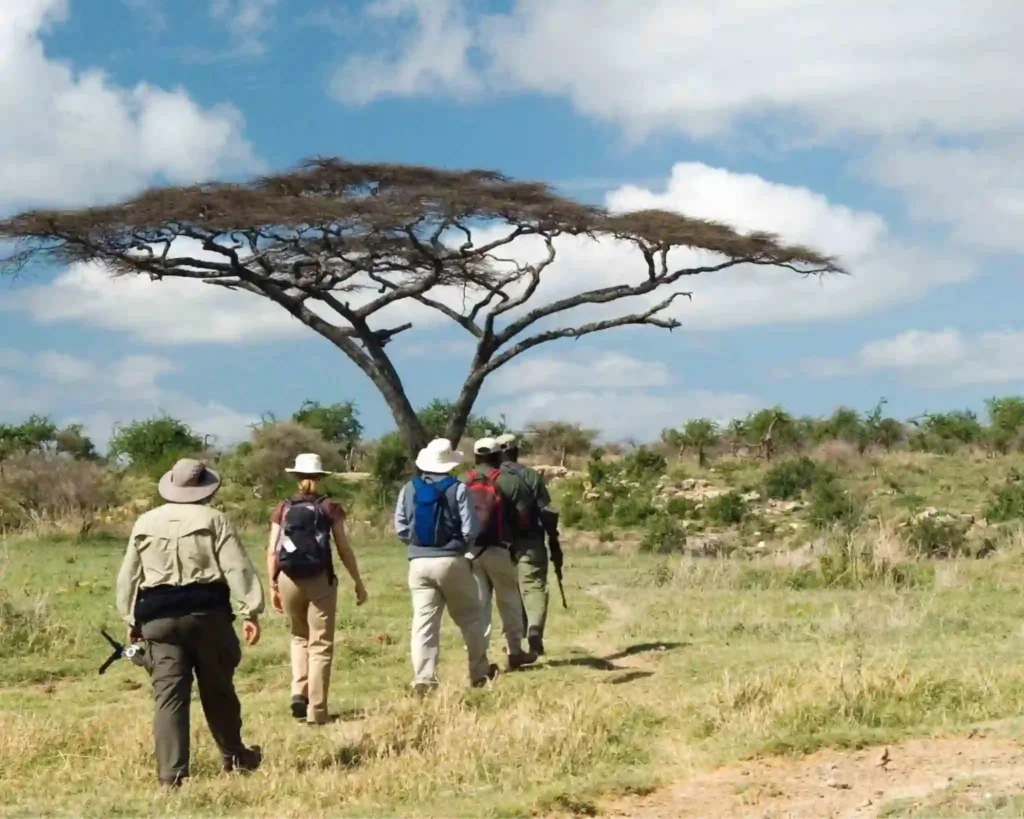

Are Uganda Kenya Cultural Safaris Suitable for Children?
December 30, 2025
Are Eco-Lodges Available in Uganda and Kenya?
December 31, 2025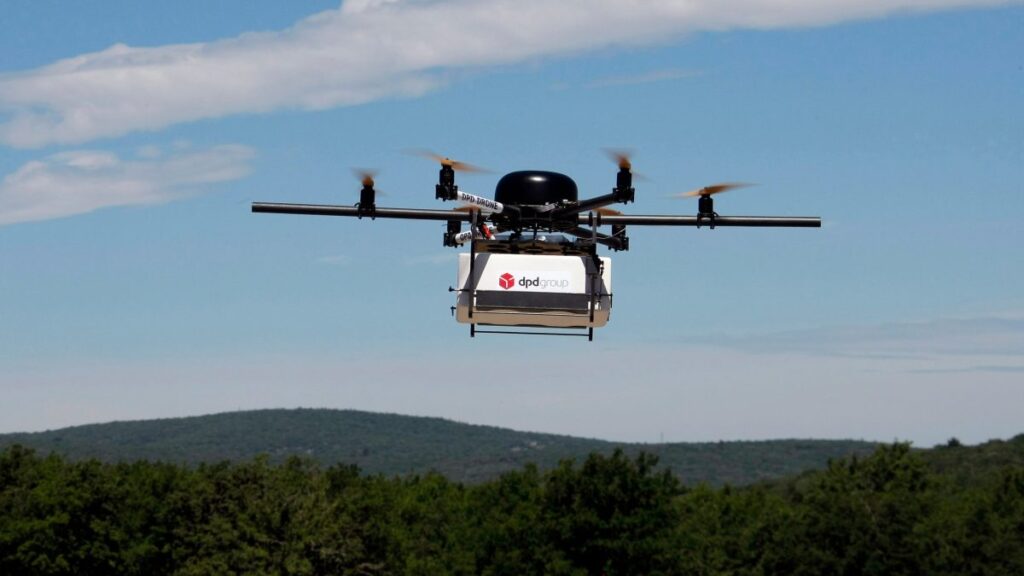
Are Drones Allowed in Uganda and Kenya National Parks?
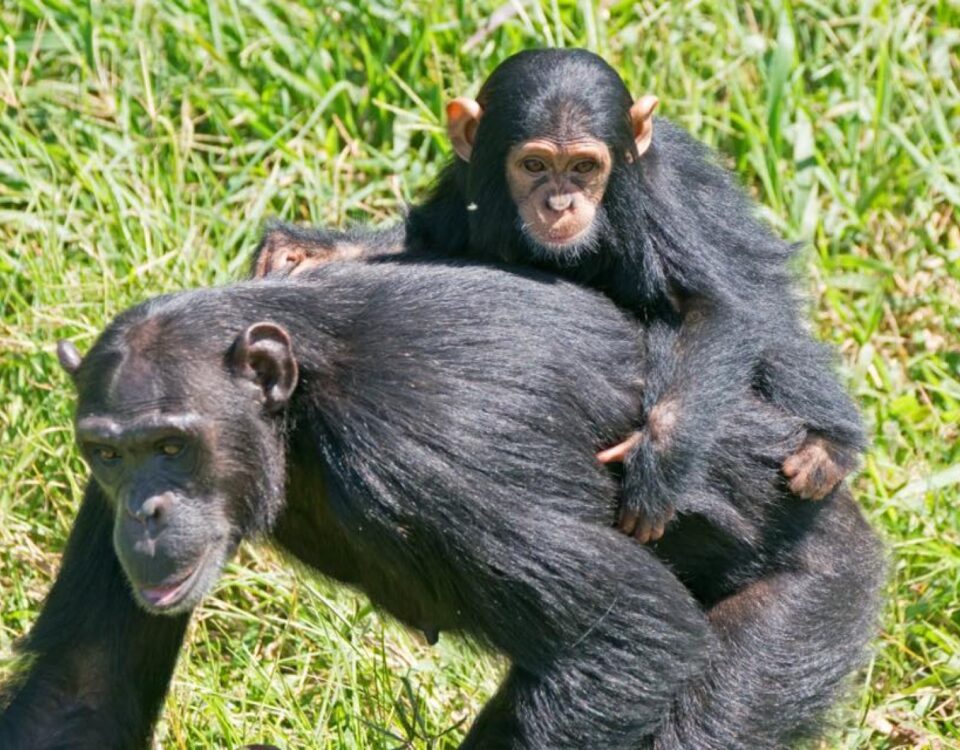
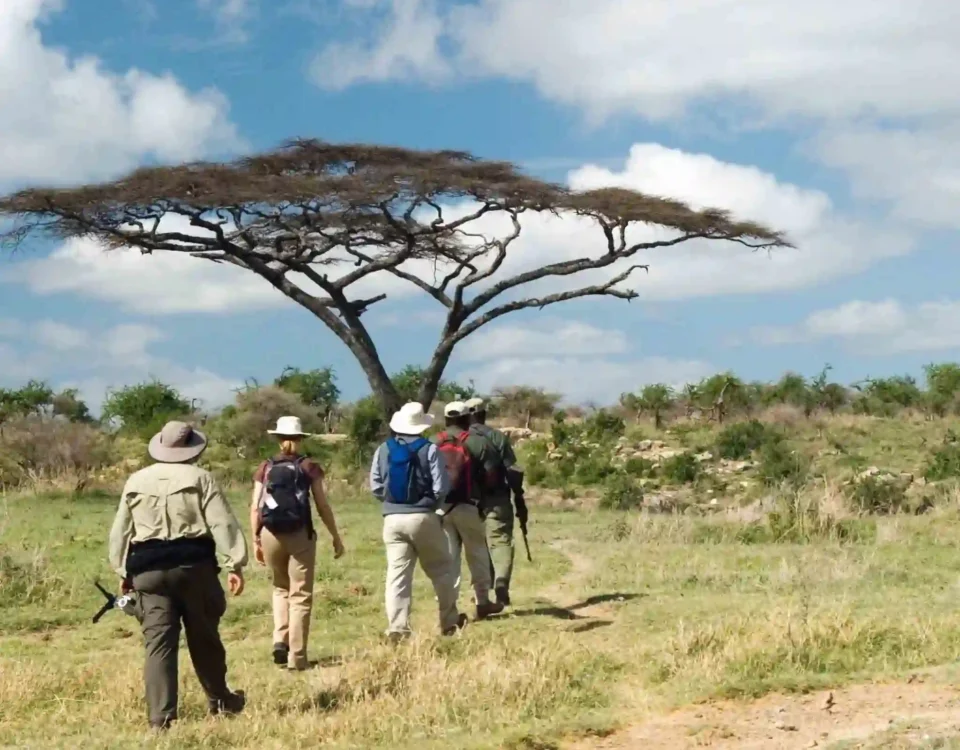
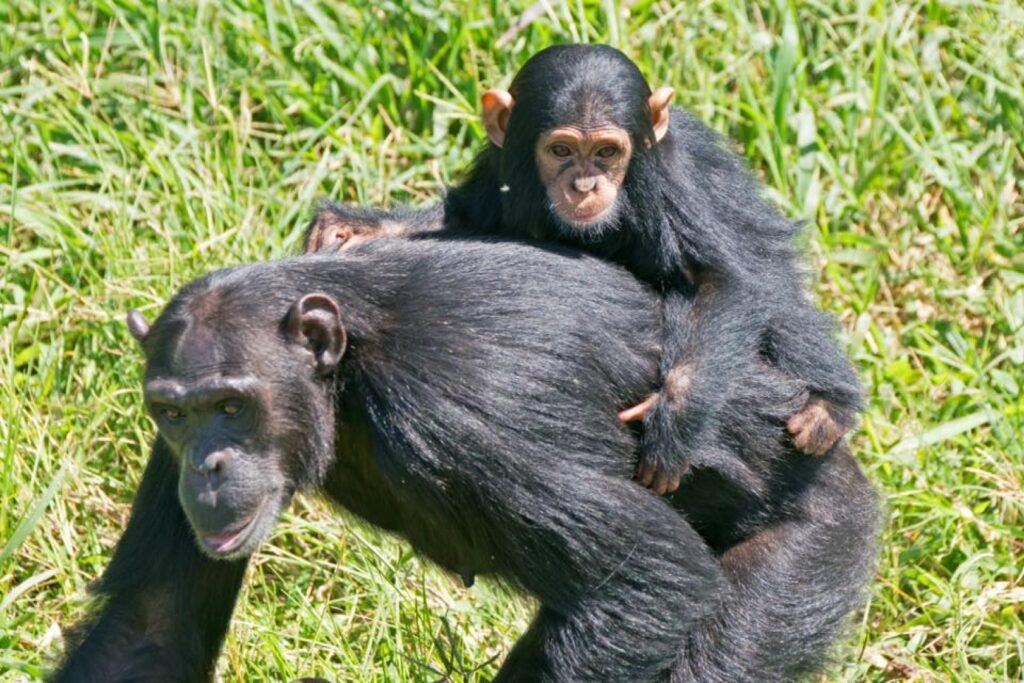
When planning a safari, one common question is, “Are Drones Allowed in Uganda and Kenya National Parks?” For travelers seeking to capture aerial footage of East Africa’s magnificent landscapes, understanding drone regulations is crucial. Both Kenya and Uganda offer some of the most breathtaking safari experiences in the world, from the sweeping plains of the Maasai Mara during Kenya Great Migration Safaris to the dense forests of Bwindi for Gorilla Trekking and Uganda Chimpanzee Safaris. However, the use of drones is strictly regulated to protect wildlife, preserve privacy, and maintain visitor safety. Kenya Safaris, Kenya Birding Safaris, and Kenya Cultural Safaris are subject to rules enforced by the Kenya Wildlife Service, while Uganda Safaris, including Uganda Birding Safaris and Uganda Best Safaris, follow similar regulations under the Uganda Wildlife Authority. Drone usage can disturb animals, interfere with the enjoyment of other tourists, and potentially damage sensitive ecosystems. Travelers who wish to use drones must often obtain permits in advance and adhere to strict guidelines regarding height, flight paths, and restricted zones. Renai Safaris recommends incorporating drone footage as part of pre-approved aerial tours or using professional operators familiar with local laws. By addressing “Are drones allowed in national parks?”, safari-goers can enjoy immersive wildlife experiences responsibly, capturing memories without compromising conservation efforts or safari safety.
Why are drones restricted in national parks? What are the implications for safari enthusiasts?
Many visitors ask, “Why are drones restricted in national parks?” The primary reason is wildlife protection. Loud noises from drones can stress animals, disrupt feeding patterns, and alter natural behaviors, particularly for sensitive species observed on Uganda Safaris or Kenya Best Safaris. For instance, during Kenya Great Migration Safaris, wildebeest and predator interactions are easily disturbed by unregulated drone flights, potentially affecting both animal safety and the safari experience. Similarly, in Uganda, Gorilla Trekking and Uganda Chimpanzee Safaris demand strict silence and minimal disruption; drones can frighten primates and compromise guided treks. Beyond animal welfare, drones pose privacy risks to other guests enjoying Kenya Cultural Safaris or Uganda Birding Safaris, where personal interactions and photography are an integral part of the experience. Moreover, uncontrolled drone flights can create safety hazards, particularly in areas with aircraft or hot air balloon activities. Regulatory authorities enforce these rules, and fines or confiscation of equipment may result from non-compliance. Travelers planning to capture aerial footage should coordinate with professional operators who have obtained permits and follow safety guidelines. By understanding “Are drones allowed in national parks?”, safari enthusiasts respect conservation rules while still benefiting from alternative ways to document Kenya Safaris or Uganda Safaris, ensuring responsible and memorable travel experiences curated by Renai Safaris.
Which national parks in Uganda and Kenya allow drones under permit?
Travelers often ask, “Are drones allowed in Uganda or Kenya national parks with special permission?” Certain national parks do permit drones under strict regulatory approval. In Kenya, limited drone permits are issued by the Kenya Civil Aviation Authority in consultation with the Kenya Wildlife Service. National parks such as the Maasai Mara may allow drone use for commercial purposes, filming, or research when pre-approved. However, casual recreational flights are typically prohibited to minimize disturbances. Uganda follows a similar approach; Uganda Wildlife Authority permits drone usage in some areas like controlled sections of Murchison Falls National Park or open landscapes during Uganda Birding Safaris, provided that travelers or operators obtain official authorization. These permits often include restrictions on maximum altitude, flight paths, and time of day to avoid disturbing wildlife. Combining drone filming with Gorilla Trekking or Uganda Chimpanzee Safaris is highly discouraged unless coordinated with guides and park authorities. Travelers should also consider liability insurance and equipment registration when planning drone activities. By addressing “Are drones allowed in national parks?”, visitors can plan aerial photography responsibly, ensuring compliance with regulations while enhancing Uganda Best Safaris or Kenya Best Safaris experiences without compromising wildlife safety or park integrity.
How can I obtain drone permits for safari destinations?
Many tourists ask, “How do I obtain permits for flying drones in national parks?” The process involves several steps, including formal applications to regulatory authorities and, in some cases, proof of expertise or commercial purpose. In Kenya, visitors apply through the Kenya Civil Aviation Authority and the Kenya Wildlife Service, detailing drone specifications, intended flight areas, duration, and purpose. Uganda requires similar documentation via the Uganda Civil Aviation Authority and Uganda Wildlife Authority, particularly for controlled areas like Murchison Falls or Bwindi. Travelers planning to combine Uganda Gorilla Trekking with aerial photography must explicitly seek park authorization, as drones can disturb gorilla habitats. Professional operators often streamline this process, ensuring permits are valid and flights adhere to safety protocols. Cost varies depending on commercial or personal use, duration, and location. Renai Safaris advises booking permits well in advance, integrating drone usage into safari itineraries to avoid logistical conflicts. Understanding “Are drones allowed in national parks?” ensures that travelers enjoy aerial perspectives while staying within the legal and ethical framework, safeguarding wildlife and enhancing Kenya Safaris or Uganda Safaris for both personal enjoyment and professional content creation.
What wildlife can be affected by drones during safaris?
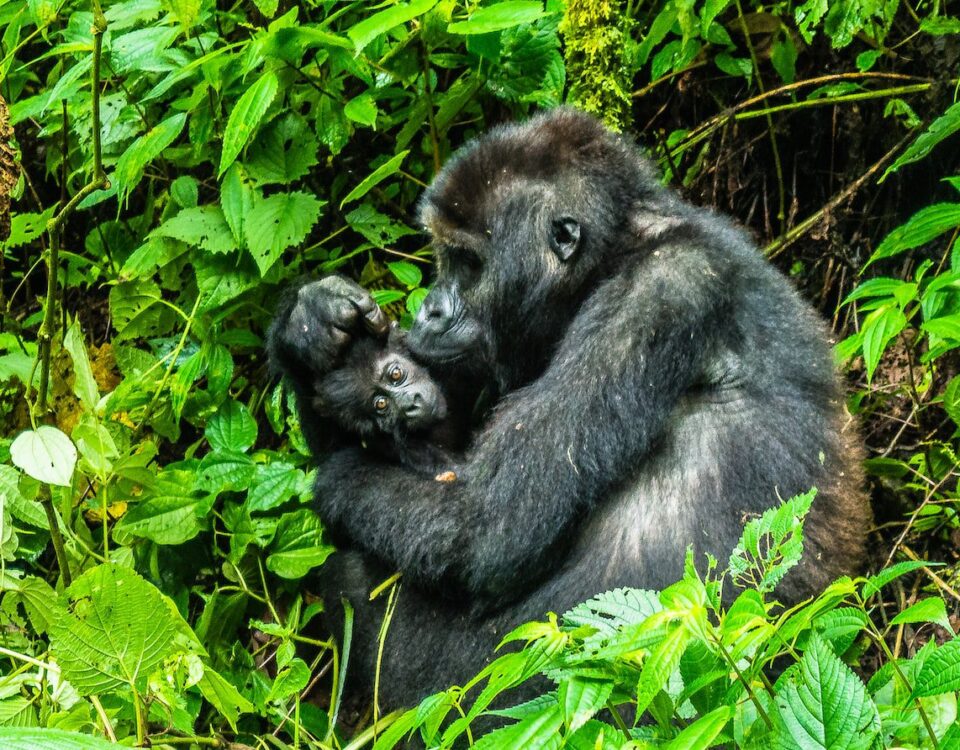
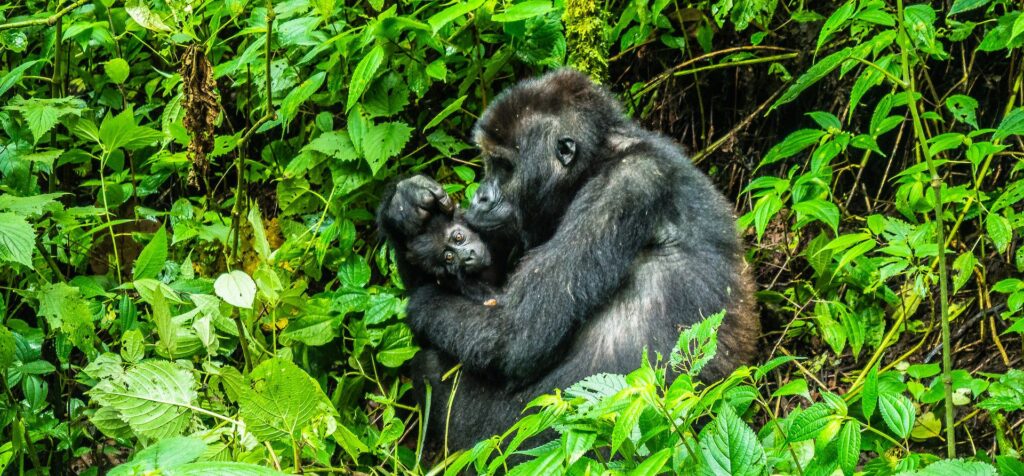
Travelers frequently ask, “Which wildlife is most sensitive to drones?” Many species encountered during Uganda Safaris and Kenya Safaris are highly sensitive to noise and movement. During Kenya Great Migration Safaris, wildebeests, zebras, lions, and cheetahs can become startled by drones, disrupting natural behaviors and potentially causing injury. In Uganda, Gorilla Trekking requires minimal disturbance to habituated gorilla groups; drones are strictly prohibited in Bwindi and Mgahinga due to the potential stress caused to gorillas and other primates. Uganda Chimpanzee Safaris in Kibale also demand caution, as chimpanzees may react unpredictably to overhead noises. Even birds observed on Uganda Birding Safaris or Kenya Birding Safaris can abandon nests if drones fly nearby. Understanding which species are most affected helps visitors make informed decisions and choose alternative methods to document wildlife. By addressing “Are drones allowed in national parks?”, safari-goers protect animal welfare, maintain the integrity of Cultural Safaris or Kenya Cultural Safaris, and ensure that their visits are sustainable and ethically responsible under the guidance of Renai Safaris.
When is the best time to use drones responsibly in safari destinations?
Many ask, “When is the best time to use drones during safaris?” Timing matters to minimize disruption and maximize filming opportunities. Early mornings or late afternoons provide optimal lighting and calm animal behavior in Kenya Best Safaris, Kenya Great Migration Safaris, Uganda Birding Safaris, and Uganda Best Safaris. Avoiding midday heat also reduces stress on wildlife. Dry seasons in Uganda (June–September, December–February) and Kenya offer better visibility and safe flying conditions. Combining drone usage with Gorilla Trekking or Uganda Chimpanzee Safaris is typically prohibited, but aerial filming is feasible in open savannahs or park peripheries with prior authorization. Cultural Safaris and visits to Maasai People villages may permit drones under consent, but guidance from local authorities or Renai Safaris ensures ethical filming practices. By considering “Are drones allowed in national parks?”, travelers learn to plan aerial documentation thoughtfully, respecting seasonal patterns, wildlife activity, and legal regulations to maintain a responsible safari experience.
How much does it cost to use drones in national parks?
A common question is, “Do drone permits increase safari costs?” Yes, costs vary depending on country, park, purpose, and duration. Kenya Civil Aviation Authority charges fees for applications, additional for park approvals, while Uganda Civil Aviation Authority sets corresponding rates. Commercial filming or professional content creation incurs higher fees compared to personal use. Permits for controlled areas like Murchison Falls, Maasai Mara, or Bwindi Gorilla Trekking regions can be substantial but provide legal access and insurance coverage. Renai Safaris often incorporates permit costs into safari packages, ensuring transparency and seamless integration with Uganda Safaris, Kenya Safaris, Uganda Birding Safaris, or Kenya Cultural Safaris. Understanding “Are drones allowed in national parks?” allows travelers to budget responsibly, balancing the desire for aerial footage with ethical and legal compliance, while optimizing overall safari experiences.
What cultural considerations should I observe when flying drones?
Travelers frequently ask, “How do drones affect cultural experiences?” Drone flights can intrude on privacy or disrupt village activities during Kenya Cultural Safaris or Uganda Cultural Safaris. Engaging with Maasai People, Ugandan rural communities, or local markets requires consent before filming. Drone etiquette includes avoiding direct filming of individuals without permission and maintaining respectful distances. Cultural Safaris are enriched when travelers prioritize observation over intrusion, blending aerial documentation with meaningful interactions. Combining drone experiences with Uganda Gorilla Trekking or Uganda Chimpanzee Safaris requires extra caution, as primates are highly sensitive. Renai Safaris ensures all drone usage respects both wildlife and human communities, reinforcing a responsible and authentic safari experience. By addressing “Are drones allowed in national parks?”, travelers integrate technology thoughtfully into their journeys without compromising cultural or environmental integrity.
Why choose Renai Safaris for drone-friendly safari planning?
Many tourists ask, “Why rely on Renai Safaris for safaris involving drones?” Renai Safaris combines local expertise with regulatory knowledge, ensuring that Uganda Safaris, Kenya Safaris, Uganda Chimpanzee Safaris, Gorilla Trekking, Uganda Birding Safaris, Kenya Birding Safaris, and Kenya Great Migration Safaris are conducted safely and ethically. Guides provide expert advice on locations, drone etiquette, permit acquisition, and alternative methods to capture aerial views legally. Combining Uganda Gorilla Trekking or Uganda Chimpanzee Safaris with peripheral drone experiences is carefully planned to avoid stress to animals. Renai Safaris emphasizes Experience, Expertise, Authoritativeness, and Trustworthiness, providing memorable, responsible, and seamless safari experiences. By addressing “Are drones allowed in national parks?”, travelers gain confidence that their adventures are legal, safe, and optimized for both wildlife observation and content creation.
Conclusion: Are drones allowed in national parks?
In conclusion, the answer to “Are drones allowed in national parks?” is nuanced. Both Uganda and Kenya prohibit casual drone usage to protect wildlife, ensure safety, and preserve visitor experiences. Permits may be granted under strict guidelines for specific parks, locations, and purposes, but unrestricted flying is rarely allowed. Travelers should prioritize wildlife welfare during Uganda Safaris, Uganda Gorilla Trekking, Uganda Chimpanzee Safaris, Uganda Birding Safaris, Kenya Safaris, Kenya Best Safaris, Kenya Birding Safaris, and Kenya Cultural Safaris. Cultural considerations, legal compliance, and ethical practices are essential when planning aerial footage. Renai Safaris offers expertise to integrate drone experiences responsibly, ensuring a safe, memorable, and authoritative East African safari. Understanding “Are drones allowed in national parks?” empowers travelers to capture stunning aerial perspectives without compromising conservation, culture, or safety, ultimately enhancing the overall safari experience.