What is the Difference Between Lodges, Camps, and Hotels?
January 28, 2026
What Is the Weather Like in Kenya?
January 28, 2026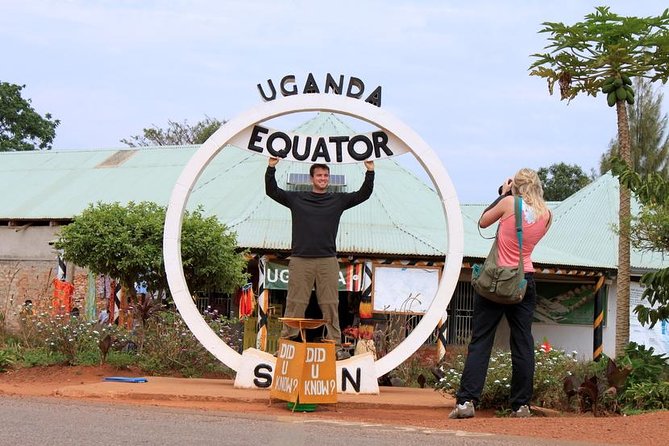
What is the Equator and why is it important?
What is the Equator and why does it matter for East African safaris?
What is the Equator and why is it important? The Equator is an imaginary line that divides the Earth into the Northern and Southern Hemispheres, passing directly through some of Africa’s most wildlife-rich regions. For travelers exploring Kenya Safaris or Uganda Safaris, the Equator is more than a geographical concept—it shapes climate, ecosystems, and cultural experiences along its path. Countries like Kenya and Uganda offer unparalleled opportunities to experience life at the Equator, where days and nights are nearly equal and sunlight bathes landscapes consistently throughout the year.
This imaginary line also influences biodiversity. In Kenya, Equatorial regions support lush grasslands, savannahs, and wetlands, providing habitat for iconic species such as elephants, lions, and zebras. Uganda, equally rich in flora and fauna, benefits from Equatorial rainfall patterns that sustain tropical rainforests, rivers, and wetlands. Travelers participating in Uganda Chimpanzee Safaris or Gorilla Trekking will notice that these habitats are incredibly productive, supporting a wide range of species that thrive in the balanced Equatorial climate.
Cultural experiences are equally enriched by proximity to the Equator. Communities such as the Maasai People in Kenya and local Ugandan tribes have adapted their livelihoods, ceremonies, and agricultural practices around the predictable seasonal cycles dictated by the Equator. Visitors can learn about traditional storytelling, dances, crafts, and daily life that has been intertwined with this unique geographic feature for generations. For those wondering what is the Equator and why is it important?, its significance extends beyond maps—it is a living influence on wildlife, culture, and the entire safari experience.
How does Kenya Safaris offer a unique Equatorial adventure?
What is the Equator and why is it important? Kenya Safaris provide a perfect combination of wildlife, cultural immersion, and geographical fascination. The Equator cuts across Kenya’s central regions, offering travelers the chance to experience a rare natural phenomenon where water flows differently on each side of the line, depending on the hemisphere. This curiosity often serves as a fascinating educational stop during Kenya Best Safaris or Kenya Cultural Safaris.
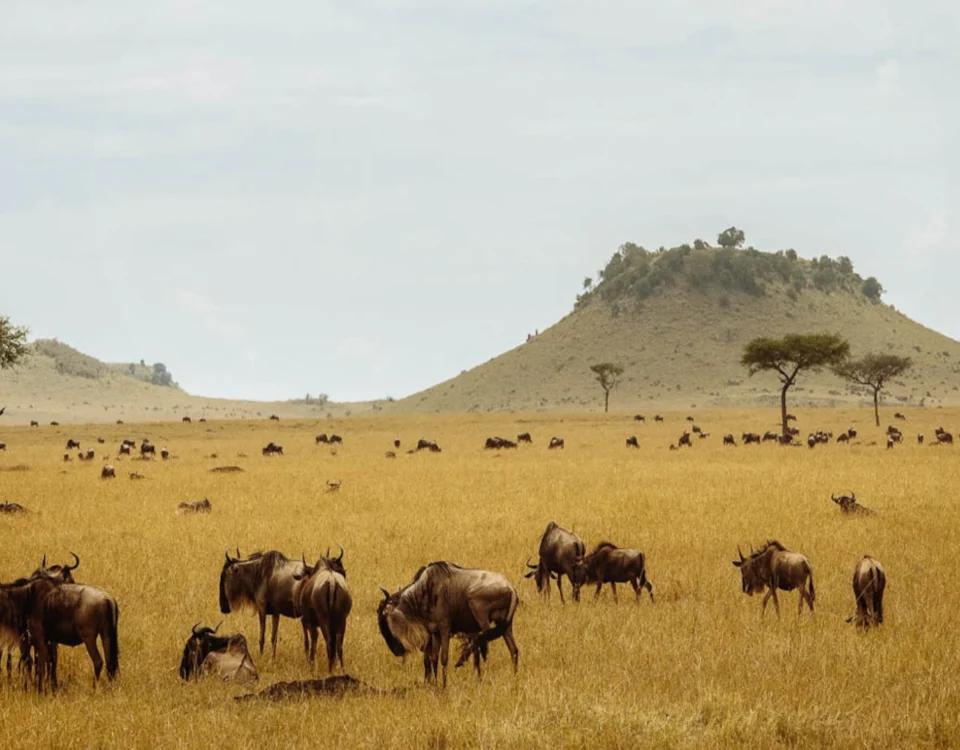
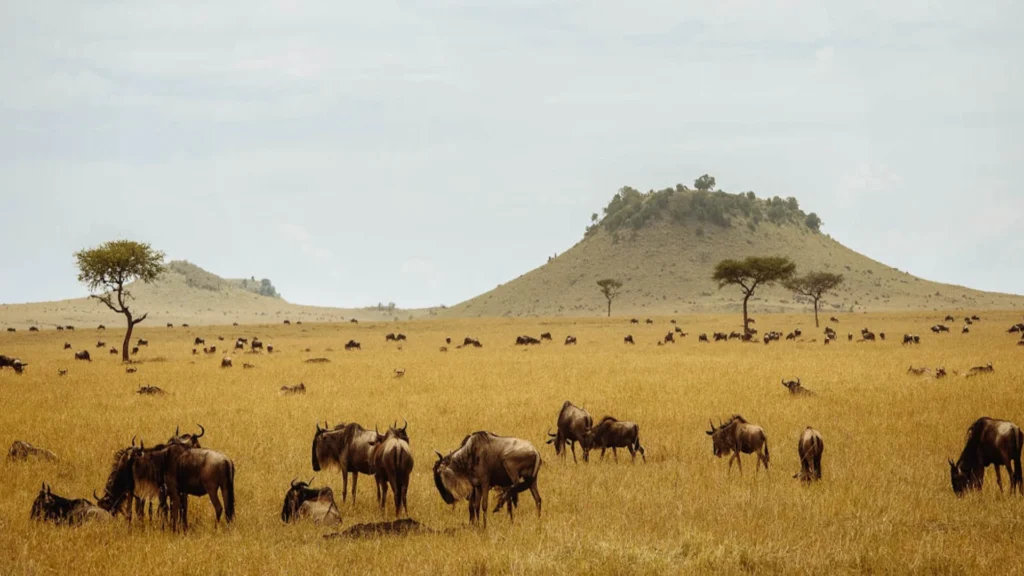
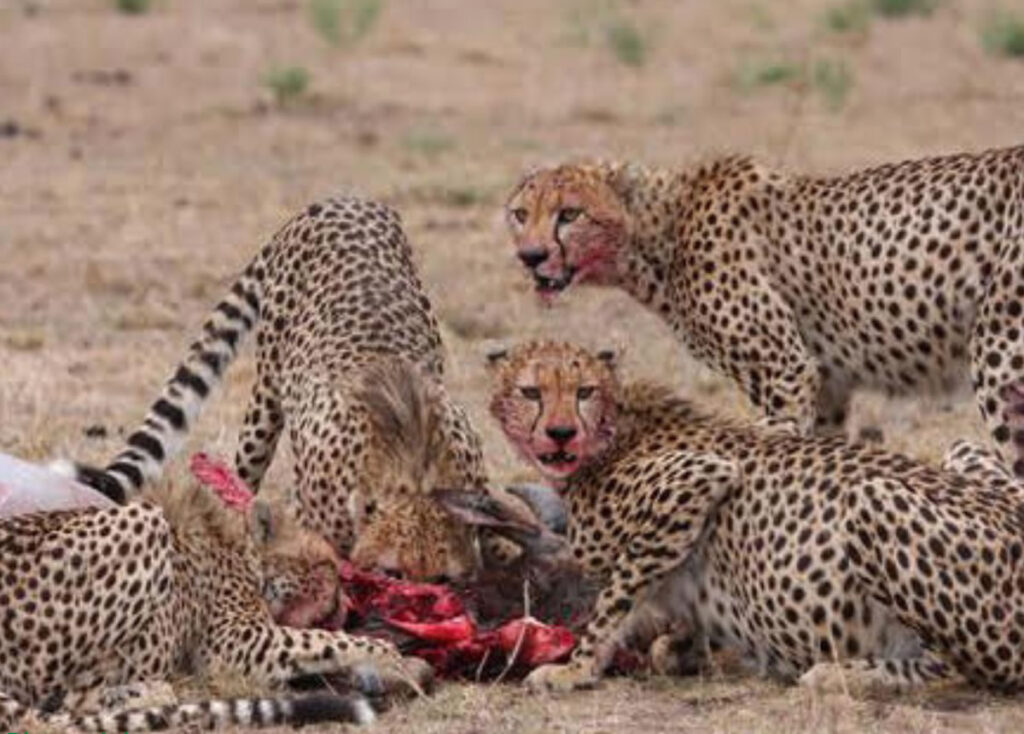
The Maasai Mara, one of Kenya’s most famous safari destinations, thrives due to its Equatorial climate, which supports the Great Migration. Kenya Great Migration Safaris allow travelers to witness millions of wildebeest and zebras traversing plains in search of fresh pastures, creating one of the most breathtaking wildlife spectacles on the planet. Kenya Birding Safaris also benefit from these climatic conditions, as over 1,000 bird species can be observed, including endemic and migratory birds that rely on the balanced Equatorial weather for breeding and feeding.
Access to these safari destinations is straightforward. Nairobi, the gateway to Kenya, connects via international flights, followed by scenic drives or domestic flights to reserves and conservancies. Travelers can expect a blend of luxury lodges, tented camps, and eco-friendly accommodations that balance comfort with authentic experiences. Safari costs vary by lodge selection, season, and activity inclusion, with the best time to visit being the dry months from June to October, when wildlife congregates near water sources. For those considering what is the Equator and why is it important?, Kenya Safaris illustrate how geography and wildlife intersect to create a once-in-a-lifetime adventure.
Why are Uganda Safaris exceptional along the Equator?
What is the Equator and why is it important? Uganda Safaris provide unparalleled access to Equatorial landscapes where tropical rainforests, savannahs, and wetlands converge within compact distances. Uganda Best Safaris, including Murchison Falls Tours and Uganda Chimpanzee Safaris, highlight how the Equator fosters unique ecosystems that support diverse wildlife populations. From soaring waterfalls to dense forests, these regions offer travelers both adventure and learning opportunities, under the guidance of expert safari professionals.
Murchison Falls, located on the Equator, exemplifies how geography shapes natural spectacles. The Nile River squeezes through a narrow gorge before exploding into a thunderous cascade, creating habitats for hippos, crocodiles, and bird species that draw avid wildlife enthusiasts. Uganda Birding Safaris thrive in this region, attracting travelers interested in rare and endemic birds. Gorilla Trekking in Bwindi Impenetrable Forest or Mgahinga National Park also benefits from Equatorial rainfall, sustaining lush forests that provide safe havens for endangered mountain gorillas.
Cultural immersion enriches Uganda safaris along the Equator. Local communities engage travelers in traditional dances, storytelling, and crafts, allowing visitors to understand how Equatorial climates influence agriculture, rituals, and lifestyles. Traveling from Entebbe International Airport is straightforward, with road transfers connecting to prime safari destinations. Costs are competitive, and the best time to visit aligns with dry seasons from June to September and December to February. Combining Uganda Gorilla Trekking with Murchison Falls Tours creates a holistic safari experience that demonstrates why asking what is the Equator and why is it important? is vital for understanding Africa’s rich ecological and cultural tapestry.
What can travelers expect on Murchison Falls Tours?
What is the Equator and why is it important? Murchison Falls Tours offer an extraordinary opportunity to witness nature’s power along the Equator while experiencing luxury and adventure. Tourists can expect thrilling game drives that reveal elephants, lions, and buffalo grazing in fertile plains, alongside boat cruises that take visitors close to roaring waterfalls. The Equator ensures a consistent climate, allowing predictable planning for wildlife encounters and outdoor activities throughout the year.
Guided experiences emphasize safety, education, and storytelling. Knowledgeable guides interpret wildlife behavior, geological formations, and cultural connections, helping travelers understand the significance of the Equator in shaping ecosystems. Uganda Birding Safaris are particularly rewarding here, with species like the African Fish Eagle and Shoebill Stork attracting enthusiasts and professional photographers alike. Cultural visits offer immersion into local communities, demonstrating farming techniques, handicrafts, and traditional ceremonies influenced by Equatorial weather patterns.
Access is convenient, with transfers from Entebbe International Airport or Kampala connecting travelers to Murchison Falls via scenic drives. Safari packages range from mid-range to luxury pricing, with costs determined by lodge selection, duration, and included activities. Peak safari months correspond with the dry seasons from June to September. Combining Murchison Falls Tours with Uganda Gorilla Trekking creates a diverse itinerary, offering both thrilling wildlife encounters and intimate primate experiences. For those curious about what is the Equator and why is it important?, Murchison Falls embodies a prime example of geography influencing biodiversity and adventure tourism.
How does Equatorial culture enhance safari experiences?
What is the Equator and why is it important? Cultural Safaris along the Equator provide meaningful interactions with communities whose lives are intertwined with geographic and seasonal cycles. In Kenya, encounters with the Maasai People reveal the interplay between pastoral traditions and the Equatorial environment. Guests can participate in storytelling, traditional dances, and beadwork workshops, learning how climate influences livestock grazing, rituals, and ceremonies.
Ugandan communities similarly provide authentic cultural immersion during safari tours. Villages near Murchison Falls and Bwindi offer visitors firsthand experiences of farming, music, and crafts shaped by Equatorial weather patterns. Guides ensure respectful engagement, allowing travelers to gain insight into sustainable practices and community-led conservation initiatives. These cultural experiences elevate the safari, offering a deeper understanding of life in Equatorial Africa beyond wildlife observation.
Incorporating cultural visits into safari itineraries also enriches educational value, making each journey informative and memorable. Accessible throughout the safari route, these experiences add minimal additional cost while offering profound insights. The best time to engage culturally aligns with major dry season festivals or ceremonial events, providing vibrant snapshots of Equatorial traditions. For travelers wondering what is the Equator and why is it important?, cultural experiences demonstrate how geography shapes not only landscapes and wildlife but also human life.
Why combine Uganda Gorilla Trekking with other Equatorial safaris?
What is the Equator and why is it important? Combining Uganda Gorilla Trekking with other safaris such as Murchison Falls Tours or Kenya Safaris maximizes the East African experience. Trekking provides intimate encounters with endangered mountain gorillas, guided by expert rangers who teach about primate behavior, conservation, and forest ecology. The Equatorial climate sustains lush forests, ensuring gorilla habitats are vibrant and healthy.
Integrating Gorilla Trekking with Kenya Great Migration Safaris or Murchison Falls Tours allows travelers to experience both savannah and rainforest ecosystems within a single journey. Uganda Chimpanzee Safaris and Birding Safaris further diversify the itinerary, offering close interactions with primates, rare birds, and other wildlife unique to Equatorial Africa. These combined experiences also include cultural immersion, where visitors learn how communities adapt to seasonal changes and Equatorial weather patterns.
Logistics are convenient, with flights connecting Entebbe, Kampala, Nairobi, and local airstrips near safari destinations. Costs reflect permit fees, accommodations, and guided services but are justified by unparalleled access to wildlife and cultural insights. Peak seasons coincide with dry periods, ensuring easier trekking and wildlife viewing. For those asking what is the Equator and why is it important?, combining Gorilla Trekking with other Equatorial safaris demonstrates the interconnection of geography, biodiversity, and culture in a seamless adventure.
Why choose Murchison Falls Tours and Renai Safaris for Equatorial safaris?
What is the Equator and why is it important? Choosing Murchison Falls Tours and Renai Safaris guarantees expertly curated experiences grounded in local knowledge, professionalism, and sustainability. Both operators specialize in Kenya Safaris, Uganda Safaris, Gorilla Trekking, Cultural Safaris, and Birding Safaris, offering travelers customized itineraries that balance comfort, adventure, and education.
Professional guides ensure ethical wildlife encounters, interpretive storytelling, and cultural engagement. Support for conservation initiatives and community development reflects a commitment to responsible tourism. Travelers can expect seamless logistics, high-quality accommodations, and itineraries tailored to diverse interests. Combining Uganda Gorilla Trekking with Murchison Falls Tours or Kenya Great Migration Safaris provides a holistic East African experience that blends geography, wildlife, and culture.
Ultimately, what is the Equator and why is it important? Choosing experienced operators such as Murchison Falls Tours and Renai Safaris ensures travelers not only witness Africa’s natural wonders but also understand their ecological, cultural, and geographical significance, creating meaningful and memorable journeys.