What Clothing is Best for Safari Weather?
January 26, 2026
What Currency is Used in Uganda and Kenya?
January 26, 2026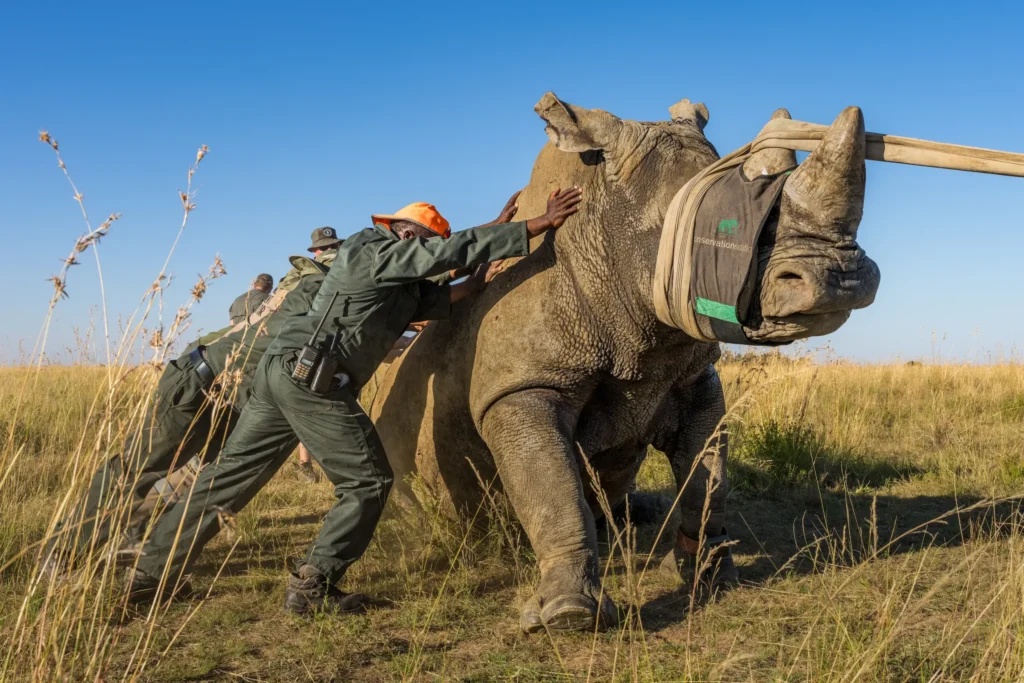
What Conservation Efforts Are in Place in the Parks?
Travelers planning East African adventures frequently ask, What conservation efforts are in place in the parks? because understanding protection measures enriches the safari experience while highlighting responsible tourism. Uganda Safaris and Kenya Safaris are renowned not only for breathtaking wildlife encounters but also for ongoing conservation initiatives that safeguard biodiversity, preserve natural habitats, and support local communities. These efforts ensure that travelers witness thriving ecosystems, whether engaging in Uganda Chimpanzee Safaris, Gorilla Trekking, Uganda Birding Safaris, or Kenya Birding Safaris.
Murchison Falls Tours emphasizes that knowledge of conservation measures elevates the safari experience. Uganda Best Safaris, particularly in Murchison Falls National Park or Kibale Forest, are guided by strict anti-poaching protocols, habitat restoration programs, and wildlife monitoring projects. Kenya Best Safaris, including Kenya Great Migration Safaris and Kenya Cultural Safaris, operate under government and private conservancy initiatives that balance tourism and ecological protection. Even cultural engagement with the Maasai People integrates conservation through sustainable grazing practices and community-based wildlife protection programs.
Expertise in these conservation efforts allows Murchison Falls Tours to plan itineraries that are both ethical and educational. Travelers gain insight into wildlife protection, habitat preservation, and the socio-economic impact of eco-tourism. Understanding What conservation efforts are in place in the parks? demonstrates the interplay between tourism, ecology, and community empowerment, positioning the safari operator as an authoritative and trustworthy source for global audiences seeking authentic, responsible Africa safari experiences.
How Do Conservation Programs Enhance Wildlife Safaris?
Addressing the question, What conservation efforts are in place in the parks?, reveals that these programs directly enhance Uganda Safaris and Kenya Safaris. In Uganda, Murchison Falls National Park’s conservation initiatives include anti-poaching patrols, wildlife population monitoring, and habitat restoration projects. These measures ensure that elephants, lions, giraffes, and hippos are safeguarded, allowing visitors to experience authentic wildlife encounters during game drives or birding excursions. Uganda Birding Safaris benefit from protected forest reserves, which maintain critical nesting sites and feeding grounds for endemic bird species, contributing to the park’s rich biodiversity.
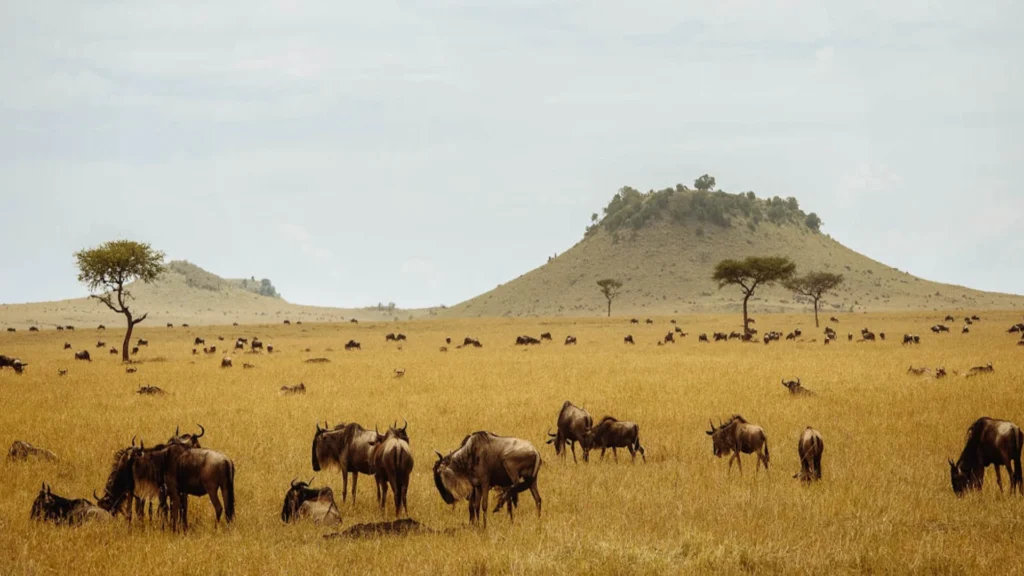
Kenya Safaris similarly benefit from conservation management, particularly in Maasai Mara Conservancy and surrounding reserves. Efforts such as regulated grazing by Maasai People, wildlife corridors, and anti-poaching measures protect populations during the Kenya Great Migration Safaris and Kenya Best Safaris. Kenya Birding Safaris are enhanced by initiatives that preserve wetlands and forested areas, enabling enthusiasts to witness species that would otherwise face habitat loss. Cultural Safaris also gain value, as communities are empowered to become custodians of their lands, linking conservation with sustainable tourism practices.
Murchison Falls Tours ensures that all safari activities align with conservation goals, balancing visitor access with ecological protection. By explaining What conservation efforts are in place in the parks?, travelers gain a deeper appreciation of ethical tourism, making wildlife encounters more meaningful. The integration of education and adventure strengthens trust and expertise, positioning the safari as both responsible and extraordinary.
What Role Do Local Communities Play in Conservation?
When considering What conservation efforts are in place in the parks?, the role of local communities cannot be overlooked. Uganda Safaris and Kenya Safaris often incorporate community-based conservation programs that empower residents while protecting wildlife. In Uganda, the Toro Kingdom and communities near Murchison Falls National Park participate in initiatives such as eco-tourism, sustainable agriculture, and wildlife monitoring, creating direct incentives for protecting natural habitats. Uganda Chimpanzee Safaris and Gorilla Trekking are also supported by these local networks, as guides, trackers, and rangers are recruited from nearby villages.
Kenya Cultural Safaris and Kenya Best Safaris similarly benefit from community involvement. The Maasai People actively participate in wildlife conservation through controlled grazing practices, eco-lodges, and conservation education programs. These collaborations ensure that migratory herds during Kenya Great Migration Safaris are protected, and predators maintain balanced ecosystems. Additionally, Kenya Birding Safaris benefit from wetland and forest protection efforts led by local conservation groups, preserving breeding grounds for rare species.
Murchison Falls Tours leverages these partnerships to create authentic and ethical experiences. By supporting community-led initiatives, travelers witness firsthand how local knowledge, culture, and conservation align. Answering What conservation efforts are in place in the parks? in this context emphasizes ethical tourism, strengthens the safari operator’s authority, and educates visitors on the vital link between wildlife protection and community empowerment.
How Do Anti-Poaching Measures Protect Wildlife?
Understanding What conservation efforts are in place in the parks? requires examining anti-poaching initiatives, which are central to Uganda Safaris and Kenya Safaris. In Uganda, Murchison Falls National Park and Bwindi Impenetrable Forest employ highly trained ranger units, surveillance technology, and community intelligence networks to combat poaching. These measures ensure the safety of elephants, lions, and rare primates encountered during Uganda Chimpanzee Safaris and Gorilla Trekking expeditions. Uganda Birding Safaris also benefit from these protections, as habitats remain undisturbed and safe for nesting and feeding.
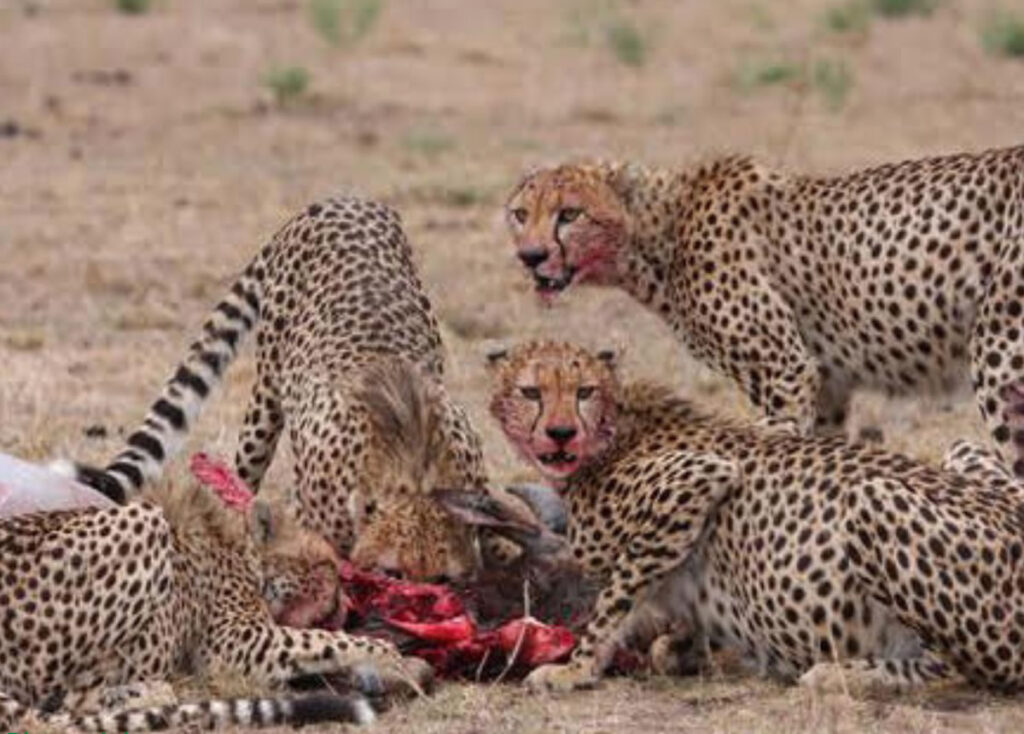
Kenya Best Safaris in Maasai Mara and Laikipia Conservancy rely on anti-poaching patrols, mobile ranger units, and community engagement to safeguard wildlife during Kenya Great Migration Safaris and Kenya Birding Safaris. These programs protect endangered species, maintain ecological balance, and ensure sustainable tourism. Cultural Safaris with the Maasai People are also enhanced by these efforts, as local communities participate in monitoring and reporting activities, making conservation a shared responsibility.
Murchison Falls Tours educates travelers on the importance of anti-poaching strategies during safari briefings and guided tours. Visitors gain a deeper understanding of What conservation efforts are in place in the parks?, enhancing the safari’s value beyond wildlife observation. By combining education, adventure, and ethical tourism, these programs underscore the operator’s authority and expertise in delivering responsible and unforgettable Africa safari experiences.
What Habitat Restoration and Reforestation Programs Are Active?
Addressing What conservation efforts are in place in the parks? also involves examining habitat restoration and reforestation initiatives. In Uganda, Murchison Falls National Park and Kibale Forest implement tree planting, wetland rehabilitation, and invasive species removal to maintain healthy ecosystems. These projects support Uganda Chimpanzee Safaris, Gorilla Trekking, and Uganda Birding Safaris by ensuring that primates and birds have safe and sustainable habitats. Restoration of riverbanks and forest edges improves water quality and maintains biodiversity, creating an enhanced experience for visitors.
Kenya Safaris similarly benefit from habitat conservation. Conservancies supporting Kenya Great Migration Safaris and Kenya Birding Safaris actively restore grasslands, wetlands, and woodlands. Maasai People contribute through rotational grazing and land stewardship, promoting coexistence between humans and wildlife. These programs ensure that both migratory species and resident populations thrive, providing tourists with memorable wildlife sightings and photography opportunities.
Murchison Falls Tours integrates habitat restoration knowledge into safari itineraries. Guides explain the ecological significance of these programs, combining education with adventure. By emphasizing What conservation efforts are in place in the parks?, travelers understand how every safari visit contributes to long-term ecosystem sustainability, reinforcing trust and authority in the operator’s commitment to responsible tourism.
How Are Research and Wildlife Monitoring Conducted?
When asking What conservation efforts are in place in the parks?, research and wildlife monitoring are key components. Uganda Safaris incorporate scientific studies to track elephant, lion, and primate populations. Rangers and researchers in Murchison Falls National Park and Bwindi Impenetrable Forest use GPS collars, camera traps, and ecological surveys to gather data, which informs anti-poaching, habitat management, and species protection strategies. Uganda Birding Safaris also benefit from continuous monitoring, as researchers identify migratory patterns and breeding behaviors.
Kenya Best Safaris and Kenya Great Migration Safaris rely on research programs to ensure ecosystem balance. Data on herbivore migration, predator behavior, and water availability informs conservancy management, allowing guides to provide accurate and safe wildlife encounters. Cultural Safaris gain context as Maasai People collaborate with researchers to maintain traditional land-use practices that support biodiversity.
Murchison Falls Tours incorporates insights from these programs into educational briefings, creating informed travelers who understand What conservation efforts are in place in the parks? By combining observation with scientific explanation, these safaris strengthen authority, trustworthiness, and the educational value of Uganda Safaris and Kenya Safaris.
How Can Travelers Support Conservation During Their Safari?
Visitors often ask, What conservation efforts are in place in the parks? while seeking ways to contribute. Supporting Uganda Safaris, Kenya Safaris, and Cultural Safaris through ethical tourism is a direct method. Staying in park lodges, participating in community-led activities, and following park regulations ensures minimal environmental impact. Fees from Uganda Chimpanzee Safaris and Gorilla Trekking are reinvested into conservation and local development projects, reinforcing positive outcomes for wildlife and communities.
Kenya Best Safaris, Kenya Birding Safaris, and Kenya Cultural Safaris allow travelers to engage in eco-friendly practices, such as supporting eco-lodges, volunteering in habitat restoration, and observing wildlife responsibly. Combining Uganda Gorilla Trekking with Murchison Falls excursions creates an extended contribution to conservation funding, as permits and guide fees sustain both primate protection and habitat management.
Murchison Falls Tours provides detailed guidance on conservation practices, ensuring guests are informed participants. By highlighting What conservation efforts are in place in the parks?, travelers can actively contribute to preserving East Africa’s natural heritage while enjoying ethical, immersive safari experiences.
How Much Do Conservation-Inclusive Safari Experiences Cost?
Financial planning often accompanies the question What conservation efforts are in place in the parks? Conservation-inclusive Uganda Safaris and Kenya Safaris may cost between USD 1,500 and USD 4,000 per person for three- to five-day packages. Costs typically cover accommodations, game drives, Gorilla Trekking permits, Uganda Chimpanzee Safaris, Kenya Birding Safaris, and contributions to park conservation programs.
Murchison Falls Tours offers transparent pricing, ensuring travelers understand how fees support anti-poaching patrols, habitat restoration, and community engagement. Combining Uganda Gorilla Trekking with Murchison Falls or Kenya Best Safaris delivers exceptional value, as multiple conservation-focused experiences are included within one itinerary.
Investing in conservation-inclusive packages ensures that each safari visit actively contributes to sustainable tourism, offering both ethical and memorable experiences while answering What conservation efforts are in place in the parks? with clarity.
When Is the Best Time to Experience Conservation-Focused Safaris?
Seasonality influences conservation-focused safaris, making the question What conservation efforts are in place in the parks? relevant to timing. In Uganda, dry months from June to September and December to February optimize wildlife visibility and field research activities. Uganda Birding Safaris, Gorilla Trekking, and Uganda Chimpanzee Safaris are safer and more rewarding during these periods.
Kenya Best Safaris, Kenya Great Migration Safaris, and Kenya Cultural Safaris are ideal from July to October when migratory herds move across Maasai Mara Conservancy. Out-of-park lodges complement wet-season travel by providing comfort and access while preserving conservation goals. Murchison Falls Tours uses seasonal expertise to plan itineraries that maximize wildlife observation, educational value, and conservation engagement.
Why Choose Murchison Falls Tours for Conservation-Focused Safaris?
Professionally, travelers seeking answers to What conservation efforts are in place in the parks? should rely on Murchison Falls Tours for expertise, ethical practices, and immersive experiences. Our team combines decades of local knowledge, guided safaris, and conservation partnerships to provide authentic Uganda Safaris, Kenya Safaris, Gorilla Trekking, Uganda Birding Safaris, Kenya Cultural Safaris, and Kenya Great Migration Safaris.
Authoritatively, we integrate educational briefings, ethical tourism practices, and community engagement to ensure every safari supports both conservation and cultural sustainability. Passionately, we prioritize environmental stewardship and authentic encounters. By choosing Murchison Falls Tours, travelers can experience responsible safaris while witnessing the impact of active conservation, providing a definitive answer to What conservation efforts are in place in the parks?