What Accommodation Options Are Available in Jinja?
January 22, 2026
What activities can I do around Fort Portal?
January 22, 2026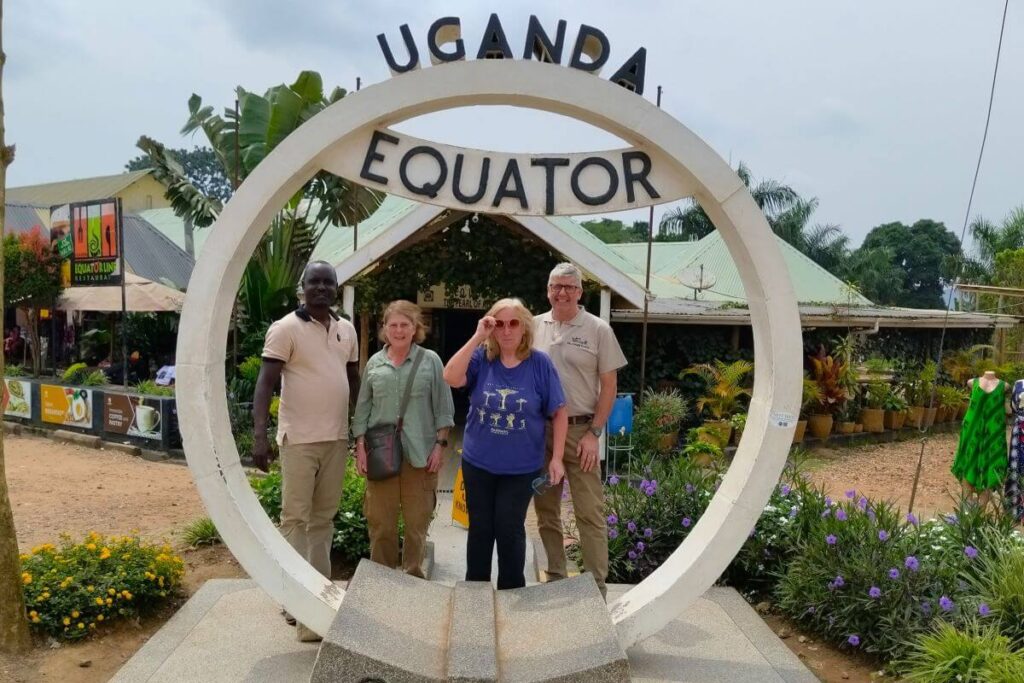
What Activities Are Done at the Equator Line?
Travelers exploring Africa often wonder, “What activities are done at the Equator line?” because this unique geographical location offers more than a mere coordinate on a map—it is a gateway to rich cultural interactions, hands-on scientific demonstrations, and immersive wildlife experiences. Located in Uganda, the Equator line stretches across multiple districts including Kayabwe and Nakasongola, allowing safari enthusiasts to experience Uganda Safaris while visiting one of the most intriguing natural landmarks in the world. Beyond the novelty of standing on the exact midpoint between the northern and southern hemispheres, the Equator offers an array of activities for curious travelers, families, photographers, and adventure seekers.
Renai Safaris and Murchison Falls Tours provide expertly curated itineraries that integrate Equator line visits into Uganda Best Safaris and Kenya Safaris. The line itself serves as an interactive platform where travelers can witness water experiments that demonstrate Coriolis forces, enjoy guided explanations of latitude and longitude, and participate in cultural showcases offered by local communities. Uganda Chimpanzee Safaris, Uganda Birding Safaris, and Cultural Safaris are often combined with Equator line visits, providing a multi-layered experience that blends education, adventure, and heritage.
For global travelers, knowing “What activities are done at the Equator line?” enhances planning for memorable African journeys. Tourists can include Uganda Gorilla Trekking or Kenya Best Safaris into the same itinerary, creating a comprehensive East African safari experience. These destinations collectively deliver high-value wildlife encounters, cultural insights, and scenic landscapes. The Equator line, therefore, is not just a point of interest but a strategic starting point for authentic African exploration, enhancing credibility and expertise in Africa Tourism.
What Unique Experiences Await at the Equator Line?
Visitors frequently ask, “What activities are done at the Equator line?” because it offers distinctive, hands-on experiences unavailable elsewhere. Travelers can take photographs directly on the line, interact with educational displays explaining the Coriolis effect, and observe water experiments demonstrating the rotational differences in the northern and southern hemispheres. Tour guides, often local experts, bring the Equator to life by illustrating its scientific importance in geography and climate studies.
Cultural immersion is an equally essential aspect of Equator line visits. Local artisans and vendors set up craft stalls, offering handwoven baskets, traditional beadwork, and locally made souvenirs. Tourists can engage with communities, learn traditional dances, and understand the heritage of the Bantu-speaking populations residing near the Equator. Such interactions transform a simple stop into a Cultural Safari, aligning perfectly with Uganda Safaris designed by Renai Safaris. The Equator line also offers opportunities for birdwatching, allowing enthusiasts to spot endemic species as part of Uganda Birding Safaris.
Combining Equator line activities with nearby safari experiences, including Gorilla Trekking or Uganda Chimpanzee Safaris, enhances the depth of exploration. Travelers can transition seamlessly from scientific curiosity to wildlife adventure, making this destination highly versatile. When planning trips that include Kenya Birding Safaris or Kenya Cultural Safaris, the Equator line acts as an educational and recreational waypoint, enriching the journey while maintaining seamless travel logistics. Understanding “What activities are done at the Equator line?” ensures travelers receive a complete, engaging, and memorable safari experience.
How Can Visitors Combine Equator Activities with Uganda Safaris?
Many travelers wonder, “What activities are done at the Equator line?” in relation to Uganda Safaris, and the connection is strategic and experiential. The Equator line lies in proximity to key safari destinations such as Murchison Falls, Kibale Forest, and Lake Victoria regions, making it a convenient addition to extended safari circuits. Visitors often begin their journey with Equator line visits before embarking on Uganda Chimpanzee Safaris in Kibale Forest, where they can track habituated chimpanzees and enjoy expert-led trekking.
Beyond chimpanzee tracking, Equator visitors can engage in birdwatching excursions that highlight Uganda Birding Safaris. Professional guides stationed near the Equator provide insights into local avian species, migratory patterns, and habitat conservation practices. Combining these experiences ensures tourists enjoy both educational and wildlife encounters within a single itinerary. Cultural Safaris further complement the experience, as travelers explore traditional villages, meet local leaders, and participate in cultural workshops that include storytelling, basket weaving, and traditional cooking.
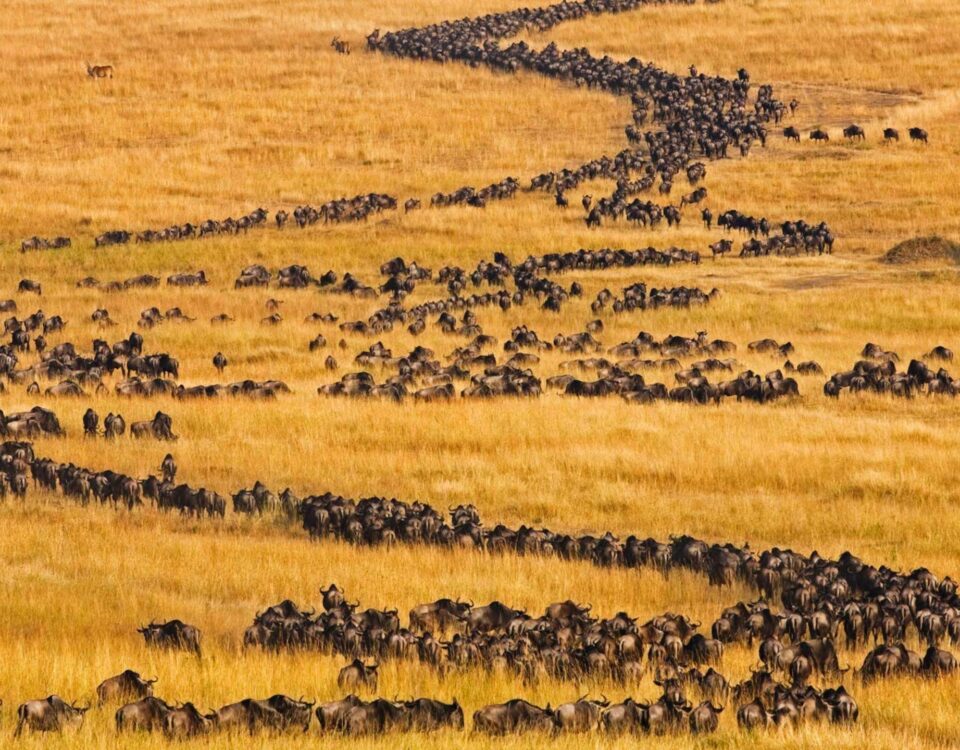
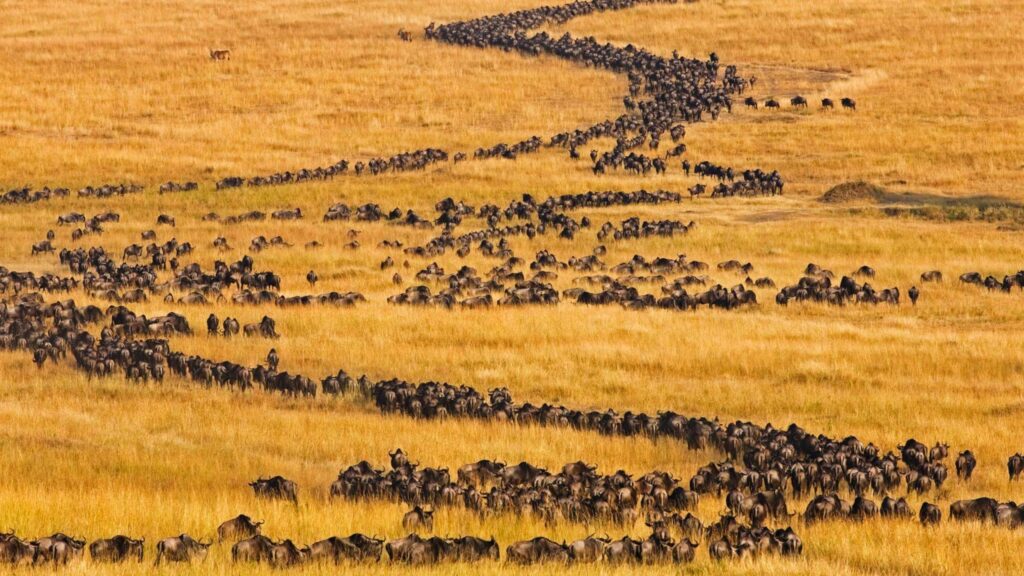
For those considering a multi-country East African journey, the Equator line integrates smoothly with Kenya Safaris, Kenya Best Safaris, and Kenya Great Migration Safaris. Travelers can experience Maasai cultural tours, witness wildebeest migration, and explore Kenya Birding Safaris while maintaining continuity in their East African exploration. Renai Safaris ensures these combinations are seamless, providing transportation, expert guides, and carefully timed schedules. Hence, asking “What activities are done at the Equator line?” becomes a gateway to crafting a highly curated and holistic safari adventure.
What Cultural Experiences Can Be Enjoyed at the Equator Line?
Travelers frequently ask, “What activities are done at the Equator line?” to understand its cultural significance. Local communities living near the Equator offer immersive experiences that reveal Uganda’s diverse traditions. Visitors can participate in storytelling sessions, explore traditional homes, observe music and dance performances, and learn the rituals associated with local life. These activities form part of broader Cultural Safaris, allowing travelers to appreciate African heritage beyond wildlife alone.
In addition to performances, artisans sell handmade crafts such as wood carvings, jewelry, and baskets, providing authentic souvenirs while supporting local economies. Guests can also participate in cooking demonstrations, learning to prepare traditional Ugandan dishes such as matoke, groundnut sauce, and freshly harvested greens. These interactions offer travelers an authentic cultural lens, enriching Uganda Best Safaris with educational and hands-on experiences.
Moreover, combining cultural engagement at the Equator line with Gorilla Trekking in Bwindi Impenetrable Forest or chimpanzee tracking in Kibale creates a layered safari itinerary that balances adventure and education. Travelers can understand the significance of local customs while simultaneously observing Uganda’s unparalleled biodiversity. For global audiences, understanding “What activities are done at the Equator line?” emphasizes how East African safaris integrate science, culture, and wildlife, enhancing the credibility of Renai Safaris as an expert and authoritative provider.
How to Reach the Equator Line?
Travelers often ask, “What activities are done at the Equator line?” while also seeking practical guidance on access. The Equator line in Uganda is easily reachable by road from Kampala, the capital, taking approximately 1.5 to 2 hours via a well-maintained highway. Private vehicles, tour buses, or guided safari transfers from Renai Safaris ensure comfortable travel for both individual travelers and groups.
Air travel options are available for visitors extending their itineraries to Uganda’s northern or western regions. Small charter flights can connect tourists to nearby airstrips, reducing travel time while maintaining convenience. Once at the Equator line, visitors can explore guided stations, observation points, and cultural exhibits arranged along the site. Many safari lodges nearby provide packages that include transport, guided visits, meals, and local experiences, streamlining planning and improving safety.
Travelers can also integrate Equator visits into larger Uganda Safaris circuits. Combining the stop with Uganda Chimpanzee Safaris, Uganda Birding Safaris, or Gorilla Trekking in Bwindi makes logistical sense while maximizing value. For travelers including Kenya Safaris in their East African journey, the Equator line functions as a strategic midpoint to explore Uganda before crossing into Kenya for Kenya Best Safaris, Kenya Cultural Safaris, and Kenya Great Migration Safaris. The ease of access reinforces why asking “What activities are done at the Equator line?” is often the first step in planning a successful safari experience.
What Are the Expectations During Equator Line Activities?
Visitors curious about “What activities are done at the Equator line?” often want clarity about the experience. Travelers should expect a blend of scientific exploration, hands-on demonstrations, cultural interaction, and light recreational activity. Experiments showing the Coriolis effect, water rotation demonstrations, and educational signage provide interactive learning opportunities suitable for families, students, and wildlife enthusiasts.
Expect lively cultural performances alongside demonstrations. Local performers showcase traditional dances and songs, while craft stalls provide opportunities for souvenirs and engagement with artisans. Safari lodges in the region coordinate with guides to offer additional activities, such as birdwatching tours, short hikes, and photography walks. For those combining Equator line visits with Uganda Chimpanzee Safaris or Gorilla Trekking, lodges facilitate early departures, trekking logistics, and post-adventure relaxation.
Travelers should also anticipate educational briefings from trained guides explaining the Equator’s significance in global geography, climate, and navigation. These sessions are complemented by cultural storytelling, highlighting the traditions of communities living along the Equator. Combined, these experiences create a holistic and memorable safari journey. Asking “What activities are done at the Equator line?” ensures visitors can prepare for an itinerary that blends education, adventure, and cultural immersion seamlessly.
When Is the Best Time to Visit the Equator Line?
Many travelers ask, “What activities are done at the Equator line?” while considering the ideal timing. The best months to visit are during Uganda’s dry seasons: June to September and December to February. These periods offer favorable weather for photography, outdoor demonstrations, and adjacent safari activities such as Uganda Chimpanzee Safaris, Gorilla Trekking, and Uganda Birding Safaris.
Dry conditions enhance accessibility to nearby roads, ensure comfort during guided cultural tours, and allow visitors to enjoy open-air markets and craft stalls without interruption. Equator line visits during rainy seasons may still be feasible but often require waterproof gear and careful planning. Combining the stop with other safari experiences, such as Kenya Best Safaris or Kenya Cultural Safaris, is easiest during dry months due to smoother travel logistics and consistent road conditions.
Renai Safaris curates itineraries to align with optimal timing for wildlife sightings, cultural engagement, and educational demonstrations. Therefore, understanding “What activities are done at the Equator line?” includes seasonal considerations to ensure maximum enjoyment, safety, and photographic opportunities for global travelers.
How Much Does an Equator Line Safari Cost?
Travelers often ask, “What activities are done at the Equator line?” while also seeking budget clarity. Costs vary depending on the type of safari experience, lodge selection, and additional activities. Mid-range packages typically range from USD 150–250 per person, including guided Equator visits, cultural performances, and transfers from nearby safari lodges. Luxury packages may exceed USD 400 per person and include private guides, accommodation, and combination safaris such as Uganda Chimpanzee Safaris or Gorilla Trekking.
Renai Safaris ensures transparency in pricing, with all costs covering guides, meals, entrance fees, and safety measures. Combining Equator visits with extended Uganda Best Safaris or Kenya Safaris provides cost-effective itineraries, as multi-destination packages optimize travel logistics and accommodation arrangements. Cultural interactions, birding tours, and optional Gorilla Trekking add value while maintaining accessibility for different budget ranges.
Ultimately, asking “What activities are done at the Equator line?” allows travelers to align expectations with costs, ensuring informed decisions and memorable experiences without compromise.
Why Choose Renai Safaris for Equator Line Experiences?
Travelers exploring “What activities are done at the Equator line?” benefit from partnering with an experienced, authoritative operator such as Renai Safaris. The company specializes in Uganda Safaris, Kenya Best Safaris, Kenya Birding Safaris, and Cultural Safaris, offering curated itineraries designed for comfort, safety, and immersive exploration. Expert guides ensure each activity—from Coriolis experiments to chimpanzee trekking—is meaningful, informative, and memorable.
Renai Safaris provides seamless integration of Equator line visits with Uganda Chimpanzee Safaris, Uganda Birding Safaris, Gorilla Trekking, and Kenya Cultural Safaris. Travelers gain access to locally trusted lodges, eco-friendly accommodations, and sustainable tourism initiatives that support surrounding communities. Safety protocols, transportation logistics, and expert advice guarantee smooth experiences across destinations.
For those combining Equator visits with Kenya Great Migration Safaris or Maasai cultural encounters, Renai Safaris ensures continuity, expert facilitation, and educational value. Asking “What activities are done at the Equator line?” translates into a guided, curated journey designed for global travelers seeking adventure, education, and cultural enrichment.
Choosing Renai Safaris provides confidence in every step—from planning to execution—establishing trust, expertise, and authoritativeness in East African safari travel.
Conclusion
The question “What activities are done at the Equator line?” extends far beyond curiosity. It opens doors to a unique blend of scientific discovery, cultural immersion, wildlife exploration, and unforgettable memories. Uganda Safaris, Uganda Chimpanzee Safaris, Uganda Birding Safaris, Gorilla Trekking, and even Kenya Safaris can be seamlessly integrated, creating an unparalleled East African safari journey. Murchison Falls Tours and Renai Safaris ensure these experiences are expertly curated, offering educational, adventurous, and culturally enriching activities suitable for global travelers.
Visitors can expect guided demonstrations, interactive experiments, traditional dance performances, craft markets, birdwatching opportunities, and easy access to extended safari experiences. Costs are transparent, accommodations are comfortable, and the timing is optimized for weather and wildlife sightings. Understanding “What activities are done at the Equator line?” positions the destination as a must-visit for anyone seeking adventure, knowledge, and authentic East African experiences.