Does Weather Affect Wildlife Viewing?
January 12, 2026
How do I travel from Kampala to Fort Portal
January 13, 2026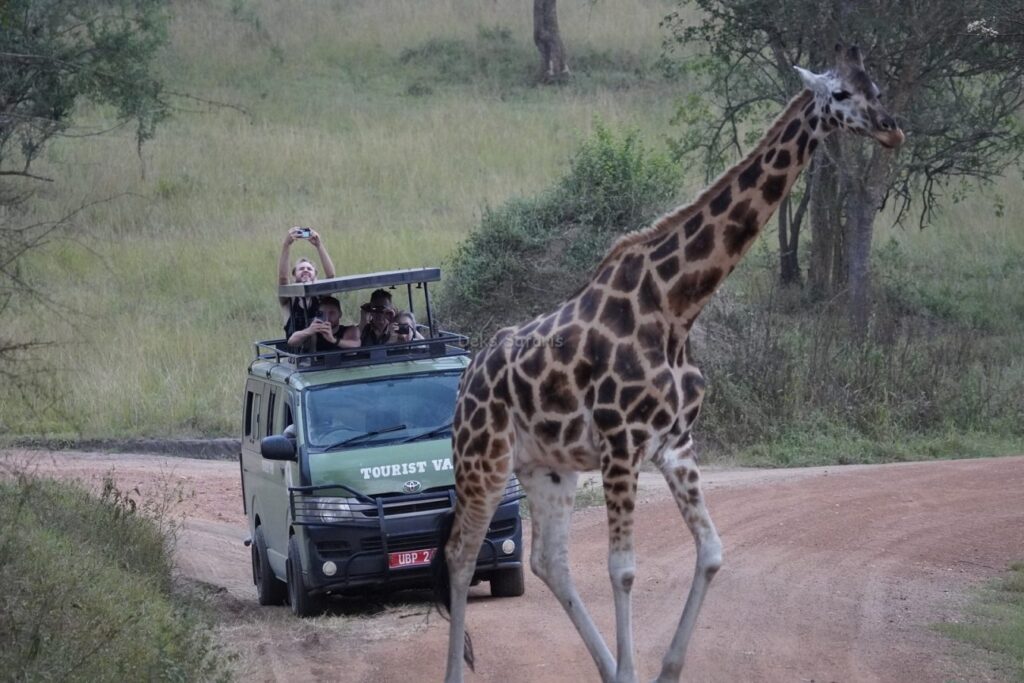
How Close Do Vehicles Get to the Animals?
How close do vehicles get to the animals? This is one of the most frequently asked questions by travelers planning Kenya Safaris or Uganda Safaris. East Africa offers some of the world’s most unique wildlife experiences, from Kenya Great Migration Safaris in the Maasai Mara to Gorilla Trekking and Uganda Chimpanzee Safaris in Bwindi Impenetrable Forest. Visitors often want to know not only the distance at which animals can be observed but also how vehicle proximity affects safety, photography, and the overall safari experience.
In Kenya, lodges and camps are positioned strategically to allow access to wildlife hotspots. Kenya Birding Safaris and Kenya Cultural Safaris benefit from expert guides who navigate the savannahs to ensure travelers see lions, elephants, giraffes, and other species safely while maintaining ethical distance. Vehicles are designed for optimal viewing, often with open roofs, raised seats, and expert drivers who understand animal behavior. In Uganda, lodges near Bwindi, Kibale, and Murchison Falls provide access to forest and river ecosystems for Gorilla Trekking, chimpanzee encounters, and Uganda Birding Safaris, allowing travelers to enjoy up-close wildlife experiences without disturbing the animals.
How close do vehicles get to the animals? is not simply about proximity but also the experience of immersion in nature. Murchison Falls Tours ensures that each safari adheres to conservation guidelines, so guests can enjoy Kenya Best Safaris and Uganda Best Safaris with both excitement and responsibility. Beyond the wildlife, vehicles also facilitate cultural experiences, such as interacting with Maasai People in Kenya or visiting local Ugandan villages, allowing for a holistic safari that combines adventure, culture, and safety while maintaining trustworthiness and expertise in Africa Tourism.
What Determines How Close Vehicles Can Get to Animals?
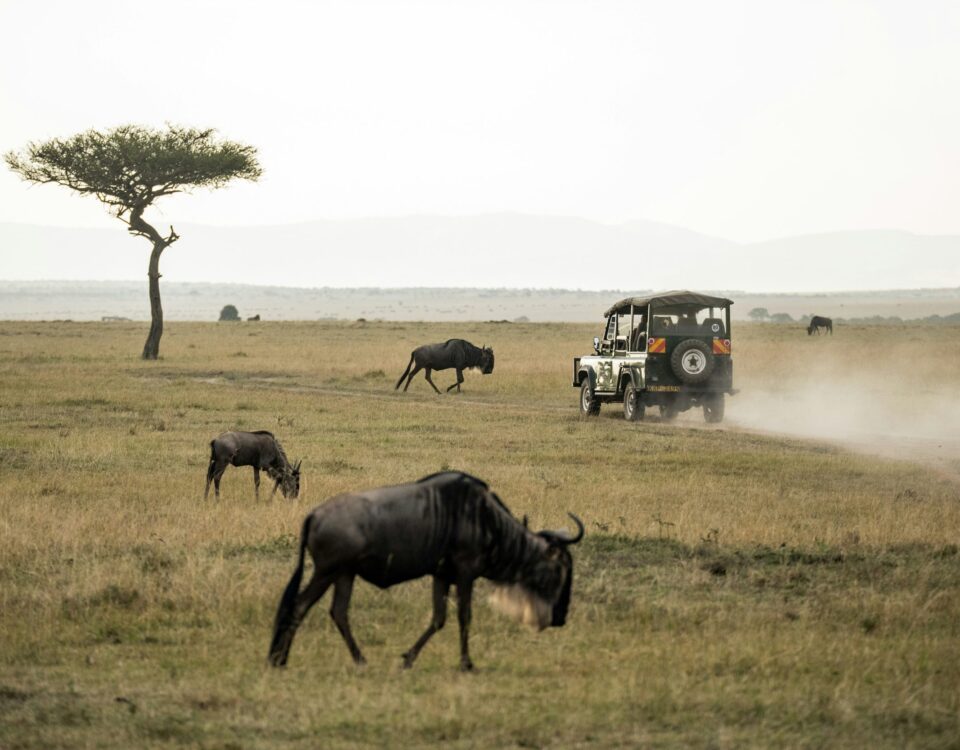
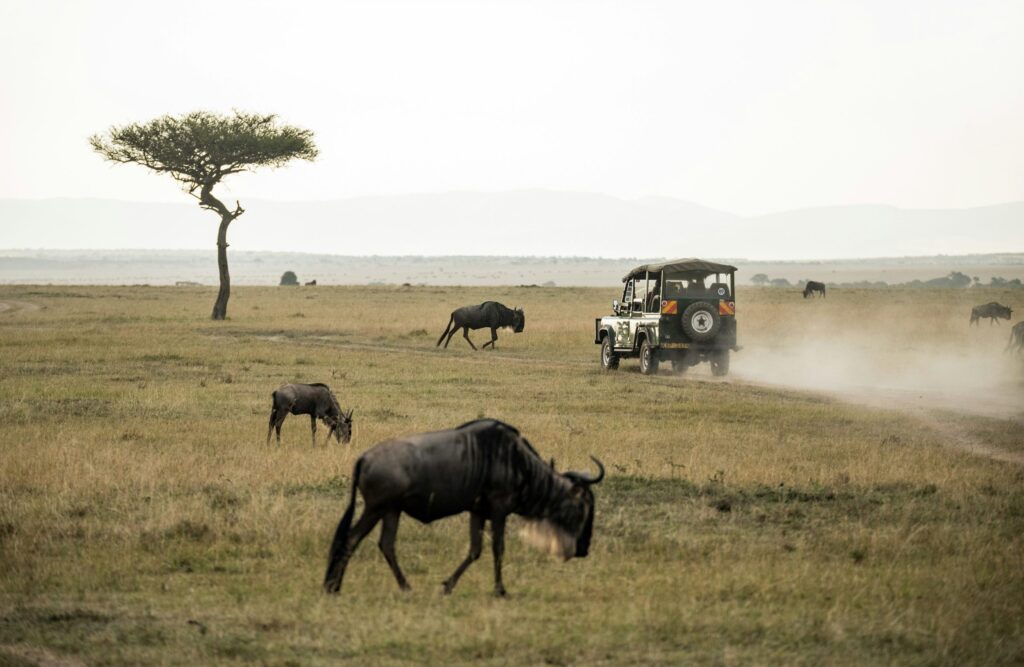
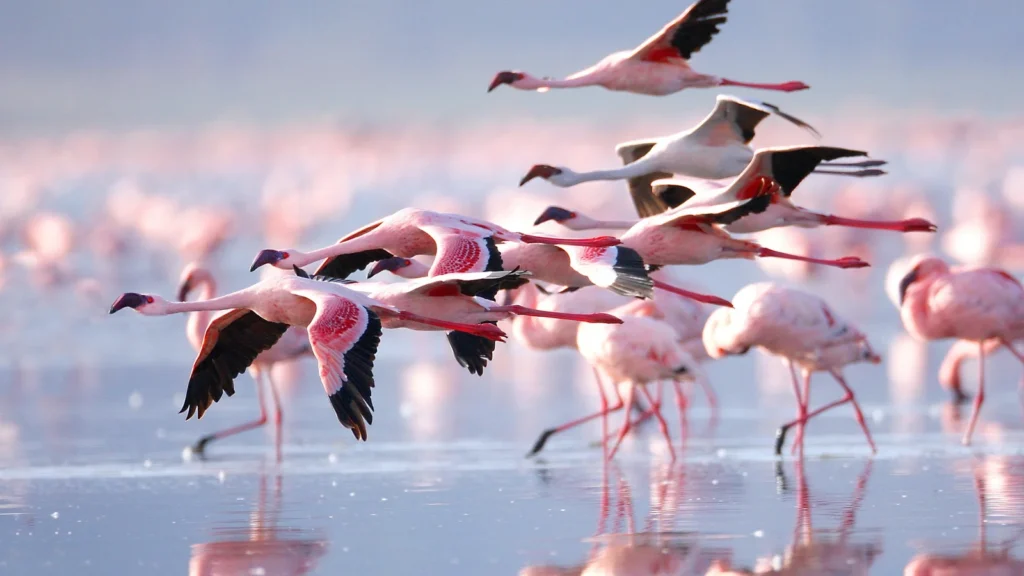
How close do vehicles get to the animals? Multiple factors determine vehicle proximity in both Kenya and Uganda. In Kenya Safaris, animal behavior, park regulations, and terrain influence how near vehicles can approach wildlife. During Kenya Great Migration Safaris in the Maasai Mara, vehicles often get within 20–30 meters of zebras, wildebeest, and predators under the guidance of trained safari drivers. Kenya Birding Safaris in Naivasha or Lake Bogoria follow strict protocols to avoid disturbing birds, yet vehicles can come very close to observe species such as the African fish eagle or pelicans.
Uganda Safaris, including Gorilla Trekking and Uganda Chimpanzee Safaris, have even stricter regulations to protect primates. Gorilla groups in Bwindi and Mgahinga are approached with a minimum distance of 7 meters, while chimpanzees in Kibale Forest require similar distancing to minimize stress and disease transmission. These distances are strictly enforced, ensuring safety for both visitors and wildlife. Uganda Birding Safaris often involve walking rather than vehicles in forests, allowing close observation of rare species in their natural habitats.
Moreover, How close do vehicles get to the animals? is guided by conservation best practices. Murchison Falls Tours combines expertise with ethical tourism, ensuring that Kenya Best Safaris and Uganda Best Safaris provide thrilling sightings while respecting wildlife and local communities. Trained guides assess animal behavior in real time, adjusting proximity as needed. This approach guarantees an immersive yet responsible safari experience, blending adventure, safety, and educational opportunities for a global audience seeking authoritative East African safari guidance.
How Do Safari Vehicles Enhance Wildlife Viewing?
How close do vehicles get to the animals? Specialized safari vehicles significantly enhance wildlife observation while maintaining safety and ethical standards. In Kenya Safaris, open-roof 4×4 vehicles allow unobstructed views, elevated seats, and stability on rugged terrain, giving travelers excellent photographic and observational opportunities. During Kenya Cultural Safaris or Kenya Birding Safaris, vehicles traverse designated paths to minimize disruption while bringing guests close to herds, flocks, and predators safely.
Uganda Safaris require vehicles for access to trailheads for Gorilla Trekking and chimpanzee tracking. Vehicles transport guests efficiently from lodges to trekking zones while ensuring minimal stress to wildlife. Uganda Birding Safaris benefit from mobile hides and guided drives, allowing close encounters with colorful, rare, or endemic bird species. Additionally, Murchison Falls Tours emphasizes combining vehicle-based safaris with walking safaris, especially in protected areas, enhancing the feeling of being part of the ecosystem while remaining safe.
Vehicles also play a cultural role. Many Kenya Best Safaris and Uganda Best Safaris integrate visits to Maasai villages or Ugandan tribes, and safari vehicles ensure comfortable, timely, and flexible transport between wildlife and cultural experiences. How close do vehicles get to the animals? is thus not limited to distance—it encompasses visibility, engagement, comfort, and safety. By combining specialized vehicles with trained guides, Murchison Falls Tours guarantees a world-class safari experience that exemplifies Experience, Expertise, Authoritativeness, and Trustworthiness in Africa Tourism.
How to Reach Safari Parks and Lodges Safely?
How close do vehicles get to the animals? Proximity to wildlife also depends on how travelers access parks and lodges. Kenya Safaris, including Maasai Mara, Amboseli, and Lake Naivasha, are accessible via Nairobi International Airport, followed by either road transfers or domestic charter flights to lodges. Road transfers allow scenic drives while ensuring vehicles are ready for immediate game drives upon arrival. Kenya Birding Safaris and Kenya Cultural Safaris are similarly accessible, and Murchison Falls Tours ensures vehicles are equipped to handle the terrain for optimal wildlife encounters.
In Uganda, lodges near Bwindi Impenetrable Forest, Kibale National Park, and Murchison Falls are reached via Entebbe International Airport or Kisoro airport, followed by transfers in robust safari vehicles. Vehicles transport travelers to trekking zones for Gorilla Trekking and Uganda Chimpanzee Safaris, maintaining both comfort and safety. Uganda Birding Safaris in forest reserves or wetlands often require specialized vehicles with bird hides or observation decks.
Additionally, How close do vehicles get to the animals? depends on guided logistics. Murchison Falls Tours coordinates travel, transfers, and park entries to allow seamless movement between Kenya and Uganda. Combining Uganda Gorilla Trekking with Kenya Best Safaris is convenient, with vehicles enabling close, safe encounters with wildlife while ensuring travelers remain on schedule and fully immersed in their safari experience.
What Are the Expectations During Wildlife Safaris?
How close do vehicles get to the animals? Travelers can expect guided observation, adherence to park regulations, and immersive experiences. In Kenya Safaris, game drives offer sightings of lions, elephants, cheetahs, giraffes, and zebras at safe yet impressive distances. Kenya Birding Safaris and Cultural Safaris combine wildlife with interaction with Maasai People, creating a holistic safari that blends adventure with cultural enrichment.
Uganda Safaris, especially Gorilla Trekking and Uganda Chimpanzee Safaris, provide intimate wildlife encounters, with vehicles or guided walks allowing guests to view primates at ethically safe distances. Uganda Birding Safaris enable close observation of rare species in protected forests and wetlands. Vehicle proximity is calculated by guides to balance thrill, safety, and conservation compliance.
Furthermore, How close do vehicles get to the animals? encompasses visitor expectations for photography, wildlife study, and overall safari satisfaction. Murchison Falls Tours ensures that Kenya Best Safaris and Uganda Best Safaris provide memorable sightings, up-close experiences, and cultural interaction while strictly adhering to guidelines. This blend of excitement, education, and ethical observation reflects a world-class safari operator emphasizing Experience, Expertise, Authoritativeness, and Trustworthiness.
When Is the Best Time for Optimal Wildlife Vehicle Proximity?
How close do vehicles get to the animals? Wildlife viewing distances are influenced by seasonal patterns. Kenya Great Migration Safaris in the Maasai Mara are best from July to October, when predators and migratory herds are abundant, allowing vehicles to approach safely under guide supervision. Kenya Birding Safaris peak during migratory bird seasons, offering enhanced opportunities for close observation.
In Uganda, Gorilla Trekking and Uganda Chimpanzee Safaris are most rewarding between June and September or December and February when trails are dry, primates are more active, and vehicles can access forest entry points efficiently. Uganda Birding Safaris also benefit from seasonal migrations and breeding seasons, providing rare close encounters.
Additionally, How close do vehicles get to the animals? can be maximized by planning safaris during dry seasons when visibility is higher, animals are concentrated around water sources, and vehicles can navigate the terrain safely. Murchison Falls Tours advises travelers on optimal timing for Kenya Best Safaris and Uganda Best Safaris, ensuring maximum immersion without compromising safety or animal welfare.
How Much Do Flexible Safari Experiences Cost?
How close do vehicles get to the animals? Pricing depends on vehicle type, safari duration, lodge choice, and activities. Kenya Safaris range from USD 250 to USD 600 per person per day, including vehicle-based game drives, Kenya Cultural Safaris, and Kenya Birding Safaris. Uganda Safaris, including Gorilla Trekking and Uganda Chimpanzee Safaris, range from USD 350 to USD 800 per person per day, reflecting lodge quality, guide expertise, and park permits.
Murchison Falls Tours ensures transparent pricing for both Kenya Best Safaris and Uganda Best Safaris, covering vehicles, professional guides, park fees, transfers, and flexible accommodation options. Optional upgrades allow closer observation or specialized vehicles for photographers and birders. How close do vehicles get to the animals? is influenced by these factors, as specialized vehicles can approach wildlife safely while providing comfort and optimal viewing.
Why Choose Murchison Falls Tours for Vehicle-Based Safaris?
How close do vehicles get to the animals? Choosing Murchison Falls Tours guarantees expert guidance, ethical observation, and immersive safari experiences. Our team specializes in Kenya Safaris, Uganda Safaris, Kenya Cultural Safaris, Uganda Birding Safaris, and Gorilla Trekking, offering itineraries that balance adventure, culture, and comfort.
Vehicles are designed for optimal wildlife observation, safety, and accessibility. Murchison Falls Tours integrates Kenya Great Migration Safaris, Kenya Birding Safaris, and Uganda Gorilla Trekking, ensuring flexible, tailored safari experiences. Guides ensure that guests observe animals at safe distances while enjoying Kenya Best Safaris and Uganda Best Safaris to the fullest.
Ultimately, How close do vehicles get to the animals? is answered through expertise, planning, and ethical safari management. Murchison Falls Tours offers world-class East African safaris that deliver unforgettable wildlife encounters, cultural immersion, and safe, comfortable vehicle experiences.