Can Jinja Be Combined with Wildlife Safaris in Uganda?
January 9, 2026
Can Uganda and Kenya Safaris Be Customized to Personal Interests?
January 9, 2026
Can Safaris Be Canceled Due to Weather?
Many travelers planning East African wildlife adventures often ask, can safaris be canceled due to weather? Safaris in Uganda and Kenya are generally reliable throughout the year; however, seasonal weather conditions can occasionally affect travel schedules. Uganda Safaris and Kenya Safaris are designed to accommodate variable climates, ensuring that guests enjoy safe and memorable wildlife experiences. Rainfall, road conditions, or extreme weather may require adjustments, but experienced operators like Murchison Falls Tours and Renai Safaris implement contingency plans to minimize disruptions. This approach ensures that even during unpredictable weather, travelers can enjoy alternative experiences such as guided nature walks, cultural safaris, or birdwatching excursions in Kenya Birding Safaris and Uganda Birding Safaris, without compromising the quality of their safari adventure.
Murchison Falls National Park, for instance, is resilient to seasonal weather changes, with accessible roads, diverse ecosystems, and a variety of wildlife habitats. Rainy periods may slightly affect game drive timing, but they also bring lush landscapes, vibrant birdlife, and active animal behavior, providing unique photographic opportunities. Similarly, chimpanzee tracking in Kibale National Park or Gorilla Trekking in Bwindi Impenetrable Forest may require flexible scheduling, but professional guides prioritize safety and optimal viewing conditions. Cultural Safaris with the Maasai People in Kenya or local Ugandan communities offer weather-independent activities, including traditional storytelling, craft-making, and agricultural experiences, ensuring families and travelers still enjoy meaningful encounters during rainy spells. Understanding the effects of seasonal variations empowers tourists to plan effectively while maintaining comfort and excitement on their safaris.
How Does Weather Impact Safari Destinations?
Travelers frequently ask, how does weather affect safari destinations? Kenya Best Safaris, including the Great Migration Safaris in Maasai Mara, may experience heavy rains during March to May and October to November. Roads can become muddy, potentially limiting access to some remote areas. Nevertheless, rain often rejuvenates the ecosystem, attracting wildlife to specific water sources and creating opportunities for unique animal behavior observations. Kenya Birding Safaris become particularly rewarding during wet seasons, as migratory and resident birds display vibrant plumage, offering enhanced wildlife photography and birdwatching experiences.
In Uganda, rainy periods affect trails for Gorilla Trekking and Uganda Chimpanzee Safaris. Steeper forest paths may become slippery, requiring cautious trekking, but guides adapt routes to ensure safety. Boat safaris along the Nile River in Murchison Falls may also be adjusted during storms, yet river cruises remain a captivating option when weather conditions are favorable. Visitors can expect uninterrupted wildlife experiences by maintaining flexible itineraries and relying on the expertise of professional safari operators. Families, couples, and solo travelers alike benefit from contingency plans that ensure the adventure continues regardless of brief weather disruptions, combining wildlife encounters, birding tours, and cultural immersion seamlessly.
How Can Travelers Reach Safari Destinations During Variable Weather?
Tourists often ask, how can travelers reach safari destinations during uncertain weather conditions? Accessibility remains a priority for Uganda Safaris and Kenya Safaris. Major entry points such as Entebbe International Airport in Uganda and Nairobi in Kenya provide reliable access to Murchison Falls, Maasai Mara, and other parks. Domestic flights to airstrips near Murchison Falls or Kibale National Park minimize long drives during rainy seasons, ensuring comfort and efficiency for families and groups. Operators like Murchison Falls Tours coordinate transfers with weather conditions in mind, providing well-maintained vehicles, seat belts, and professional guides who are experienced with seasonal travel logistics.
Road travel can also be adapted with alternative routes or scheduled activities that are less weather-dependent. Family-friendly lodges and camps near Murchison Falls, Bwindi, or Maasai Mara allow guests to enjoy indoor cultural sessions, local cuisine, or birdwatching, even when outdoor activities are temporarily postponed. Flexible scheduling also enables travelers to combine experiences, such as Uganda Gorilla Trekking, chimpanzee tracking, or Kenya Cultural Safaris, ensuring a seamless and enriching safari experience. By planning travel with contingency options, visitors can maximize wildlife sightings, photography opportunities, and cultural interactions while minimizing disruption from seasonal weather changes.
What Wildlife and Activities Are Possible During Rainy Conditions?
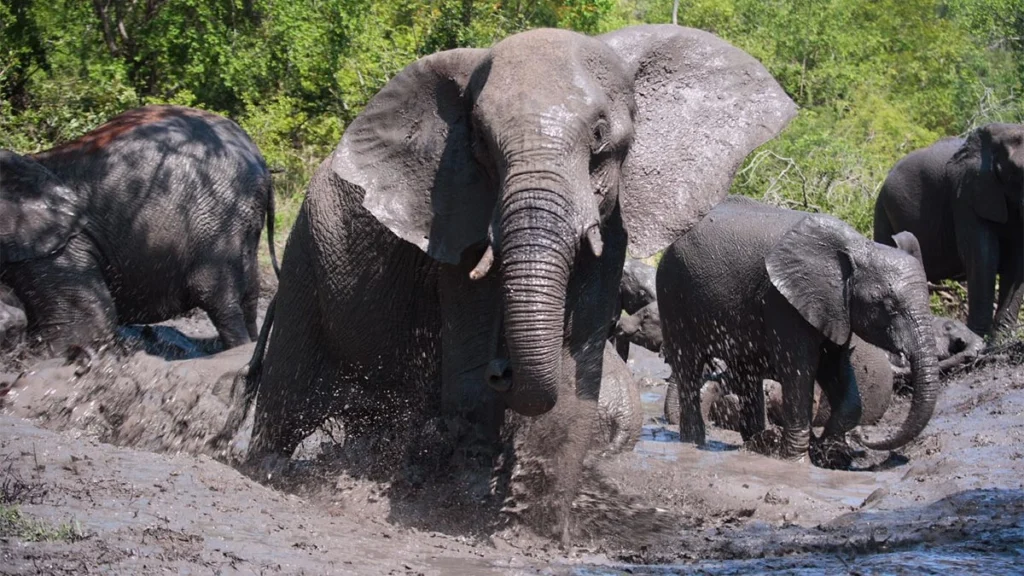
Travelers frequently ask, what wildlife and activities remain available when weather is challenging? Even during rainy seasons, Uganda and Kenya offer diverse safari experiences. Game drives in Murchison Falls National Park can still reveal elephants, lions, buffalo, and crocodiles, while the wet conditions often enhance wildlife activity near water sources. Uganda Birding Safaris and Kenya Birding Safaris thrive during wet seasons, attracting rare species such as shoebill storks, turacos, and migratory birds, providing exceptional opportunities for photography and observation.
Cultural Safaris remain accessible regardless of weather. Visitors can interact with the Maasai People in Kenya, witnessing traditional dances, engaging in storytelling, and learning about local crafts. In Uganda, cultural excursions near Fort Portal or Murchison Falls communities allow tourists to explore indigenous practices, participate in farming activities, and understand conservation initiatives. Families, in particular, benefit from indoor and outdoor educational activities, fostering engagement and learning while minimizing the impact of inclement weather. Combining rainy-day wildlife experiences with Gorilla Trekking or chimpanzee tracking ensures that even during brief weather interruptions, travelers enjoy a complete and memorable safari adventure.
When Is the Best Time to Minimize Weather Disruptions?
Many visitors ask, when is the best time to schedule a safari to avoid weather disruptions? The dry seasons in Uganda (December to February and June to August) and Kenya (July to October) are optimal for game drives, Gorilla Trekking, and birding activities. During these periods, roads remain accessible, wildlife concentrates around water sources, and cultural activities can be enjoyed without interruption. Dry months are ideal for families, photographers, and avid birdwatchers seeking predictable conditions and optimal viewing opportunities.
Travelers can also plan safaris during transitional months, such as November or March, when brief showers may occur but wildlife sightings remain excellent. Professional operators like Murchison Falls Tours provide advice on the best timing for combining Uganda Gorilla Trekking, chimpanzee safaris, and Kenya Best Safaris, ensuring minimal disruption due to weather. Planning with weather considerations in mind allows tourists to experience East Africa’s iconic wildlife, cultural richness, and birdlife diversity while maintaining flexibility and safety throughout the journey.
How Much Do Safari Adjustments Due to Weather Cost?
Visitors often ask, how much do safaris cost if adjusted for weather? Generally, adjustments such as route changes, activity rescheduling, or alternative excursions are included in comprehensive packages offered by professional operators like Murchison Falls Tours. Standard Uganda Safaris and Kenya Safaris packages range from $150 to $700 per night depending on accommodation type, duration, and inclusions. Gorilla Trekking permits in Bwindi cost approximately $700, while chimpanzee tracking in Kibale is $150–$200 per person.
Operators typically include contingency planning in pricing, covering changes in game drive routes, boat cruise timings, or cultural safari schedules without extra cost. This approach ensures that families, solo travelers, and groups can enjoy wildlife encounters, birding tours, and cultural experiences even during brief weather interruptions. Transparent pricing, combined with expert guidance, reinforces trust, convenience, and a seamless safari experience for all travelers.
Why Choose Murchison Falls Tours for Weather-Responsive Safaris?
Tourists often ask, why choose Murchison Falls Tours for safaris affected by weather? Murchison Falls Tours prioritizes safety, flexibility, and guest satisfaction, ensuring that adverse weather does not compromise the safari experience. Experienced guides adjust itineraries according to weather conditions, providing alternative activities such as cultural safaris, indoor wildlife education sessions, or birdwatching excursions. Combining Uganda Safaris, Kenya Safaris, and Gorilla Trekking ensures guests enjoy the full range of East African wildlife and cultural diversity, regardless of seasonal changes.
Choosing Murchison Falls Tours guarantees professional planning, contingency measures, and expert guidance tailored to families, solo travelers, and adventure seekers. Visitors benefit from personalized itineraries, reliable transfers, and accommodation near key destinations like Murchison Falls, Bwindi, and Maasai Mara. By offering adaptable schedules, immersive wildlife experiences, and cultural interactions, the company establishes itself as a trusted and authoritative provider of East African safari experiences that balance adventure, education, and comfort.
Conclusion: Can Safaris Be Canceled Due to Weather?
In conclusion, can safaris be canceled due to weather? While rare, seasonal rain or extreme weather can affect road conditions, trails, or certain outdoor activities. However, professional operators like Murchison Falls Tours implement flexible itineraries, alternative excursions, and contingency plans to ensure safaris proceed safely. Families, birders, and wildlife enthusiasts can enjoy Uganda Safaris, Kenya Safaris, cultural experiences with the Maasai People, and even combine trips with Gorilla Trekking and chimpanzee safaris without compromise. Rain or shine, travelers are assured memorable wildlife encounters, cultural immersion, and East Africa’s spectacular landscapes, demonstrating that weather challenges rarely cancel the adventure—they enhance it with unique perspectives and learning opportunities.