Can I See the Shoebill Stork in Uganda?
December 4, 2025
Can I Take Photos During a Walking Safari in Uganda?
December 4, 2025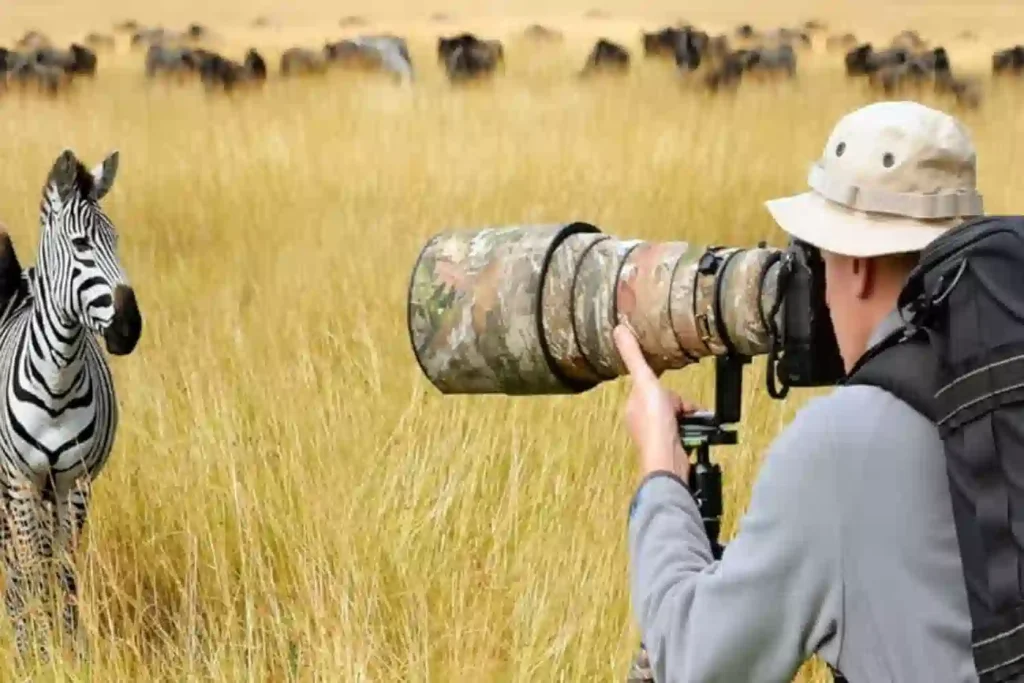
Can I Take a Photography-Focused Safari for the Great Migration?
For wildlife enthusiasts and professional photographers asking, Can I take a photography-focused safari for the Great Migration?, the answer is a resounding yes. The Great Migration, spanning the Kenya Great Migration in the Maasai Mara and the Tanzania Great Migration in the Serengeti, presents an unparalleled opportunity to capture dramatic wildlife events in their natural habitat. Millions of wildebeest, zebras, and gazelles traverse savannahs, rivers, and plains, offering photographers dynamic moments such as predator-prey interactions, mass river crossings, and breathtaking landscape compositions.
Introduction – Capturing the Great Migration in Images
Photography-focused safaris elevate the experience beyond traditional Kenya Safaris or Tanzania Safaris by prioritizing optimal viewing angles, lighting conditions, and vehicle positioning. Murchison Falls Safaris designs itineraries specifically for wildlife photography, including early morning and late afternoon drives when animals are most active, as well as access to remote areas where migratory herds congregate. Luxury lodges and tented camps provide comfort between shooting sessions, with private verandas and rooftop observation decks perfect for golden-hour photography.
Moreover, photography-focused itineraries can be combined with Rwanda Gorilla Trekking Safaris or Tanzania Chimpanzee Tracking Safaris, creating multi-destination adventures that encompass both open plains and lush forest habitats. Professional guides accompany photographers, offering advice on framing, wildlife behavior, and safety, ensuring that travelers not only capture extraordinary images but also gain a deep understanding of East Africa’s ecosystems. By asking Can I take a photography-focused safari for the Great Migration?, guests ensure a safari experience that is immersive, enriching, and designed for capturing memories that last a lifetime.
Choosing the Right Time for a Photography-Focused Safari
A crucial question is: Can I take a photography-focused safari for the Great Migration, and when is the best time to go? Timing is everything when photographing this natural spectacle. The Tanzania Great Migration typically occurs in the southern Serengeti from December to March, coinciding with calving season, while the Kenya Great Migration peaks between July and October when herds cross the Mara River. These periods offer unique photographic opportunities, from the drama of river crossings to intimate predator-prey interactions.
Murchison Falls Safaris ensures photographers are positioned in locations that maximize photographic potential while minimizing interference with wildlife. Luxury accommodations such as tented camps and lodges near migration hotspots allow early morning departures and extended evening sessions, critical for capturing the soft light that enhances wildlife portraits. For Kenya Wildlife Safaris and Tanzania Wildlife Safaris, guides provide real-time updates on herd movements and animal behaviors, giving photographers a strategic advantage for capturing decisive moments.
Photography-focused safaris also benefit from combining experiences, such as integrating Rwanda Gorilla Trekking Safaris or Tanzania Chimpanzee Tracking Safaris. Forest-dwelling primates provide contrasting subjects to open-plain wildlife, allowing photographers to diversify their portfolios. Cultural experiences, including Kenya Cultural Safaris, add opportunities for portraiture and storytelling, merging wildlife with human heritage. Proper planning and timing answer the question: Can I take a photography-focused safari for the Great Migration? by ensuring every shot is optimized for both technical excellence and narrative depth.
Photography Gear and Safari Preparation
Travelers often ask: Can I take a photography-focused safari for the Great Migration, and what gear should I bring? The answer depends on your desired subjects and shooting style. Long telephoto lenses (300mm–600mm) are essential for capturing distant wildlife, while wide-angle lenses allow for expansive landscapes and dramatic river crossings. Tripods, monopods, and gimbal stabilizers are recommended for low-light conditions and video work.
Murchison Falls Safaris advises photographers to balance gear weight with mobility, as some game drives involve rough terrain and extended hours in open safari vehicles. Guides assist with positioning and tracking animals, ensuring photographers remain safe and maintain unobstructed views. For Kenya Birding Safaris, specialized lenses and close-focusing gear are invaluable for capturing vibrant avian species, complementing broader wildlife photography during Kenya Best Safaris.
Additionally, combining photography-focused safaris with Rwanda Gorilla Trekking Safaris or Tanzania Chimpanzee Tracking Safaris requires compact, durable equipment suitable for dense forests. Lighting techniques, such as diffusers and reflectors, can enhance primate portraiture, while weatherproof camera protection ensures equipment longevity. Understanding both technical requirements and field conditions answers the question: Can I take a photography-focused safari for the Great Migration? by preparing travelers to capture the full range of East Africa’s biodiversity in professional-quality imagery.
Guided Support and Expert Knowledge
A key consideration is: Can I take a photography-focused safari for the Great Migration and receive expert guidance? Murchison Falls Safaris provides professional guides experienced in wildlife behavior, photography composition, and eco-tourism ethics. Guides track animal movements, anticipate natural events like river crossings, and help photographers position themselves for optimal shots without disturbing wildlife.
Luxury safari vehicles are often customized for photography, with open sides, elevated platforms, and rotating seats, enhancing opportunities to capture the Kenya Great Migration or Tanzania Great Migration from multiple angles. Guides also provide advice on natural lighting, background composition, and ethical wildlife interaction, ensuring that every photograph tells a compelling story while adhering to conservation standards.
Photography-focused safaris can also be integrated with Kenya Cultural Safaris or Tanzania Chimpanzee Tracking Safaris, where guides offer insights into local communities, forest ecology, and primate behavior. This combination allows photographers to capture both iconic wildlife scenes and culturally rich images, creating a diverse portfolio that reflects East Africa’s ecological and social richness. By addressing questions about expert guidance, Murchison Falls Safaris ensures travelers are fully equipped to answer Can I take a photography-focused safari for the Great Migration? with confidence and skill.
Combining Photography with Multi-Destination Safaris
Many travelers ask: Can I take a photography-focused safari for the Great Migration and combine it with other safari experiences? Absolutely. Murchison Falls Safaris designs multi-destination itineraries that integrate Kenya Safaris, Tanzania Safaris, Rwanda Gorilla Trekking Safaris, and Tanzania Chimpanzee Tracking Safaris. These combined trips offer a rich tapestry of photographic subjects, from dramatic river crossings to intimate forest primates.
Luxury lodges and tented camps facilitate early departures and extended evening photography sessions, while expert guides coordinate all logistics, including permits, park entries, and inter-country transfers. Travelers can move seamlessly from observing the Kenya Great Migration in the Maasai Mara to trekking gorillas in Rwanda or tracking chimpanzees in Tanzania, capturing diverse species, landscapes, and cultural interactions in a single journey.
In addition, photography-focused safaris can incorporate Kenya Birding Safaris and Kenya Cultural Safaris, providing opportunities to photograph local communities, traditional ceremonies, and vibrant avian species. This integrated approach ensures that travelers answer Can I take a photography-focused safari for the Great Migration? affirmatively, with itineraries that are both comprehensive and logistically seamless.
Cultural and Wildlife Storytelling Through Photography
A central question is: Can I take a photography-focused safari for the Great Migration while also capturing cultural experiences? Yes. Murchison Falls Safaris emphasizes storytelling through imagery, combining wildlife and human narratives. During Kenya Cultural Safaris, photographers can document Maasai life, traditional dances, and artisanal crafts, while Kenya Birding Safaris and Tanzania Wildlife Safaris provide vibrant natural subjects.
Combining cultural immersion with wildlife photography adds depth and context to safari images. Photographers can capture the interaction between humans and landscapes, explore conservation challenges, and highlight the beauty of East Africa’s ecosystems. Multi-country itineraries including Rwanda Gorilla Trekking Safaris allow for dramatic contrast between forest habitats and open savannahs, creating visually compelling stories.
Murchison Falls Safaris ensures photographers are guided ethically and safely, avoiding disturbances to both wildlife and communities. This approach answers the question Can I take a photography-focused safari for the Great Migration? by providing a holistic, narrative-driven safari experience that blends visual artistry with adventure, cultural insight, and ecological understanding.
Planning Your Photography-Focused Safari
For travelers asking, Can I take a photography-focused safari for the Great Migration and how should I plan it?, Murchison Falls Safaris provides end-to-end planning support. Optimal timing, gear preparation, guided support, and luxury accommodations are integrated into customized itineraries. Peak periods in the Maasai Mara and Serengeti are scheduled to coincide with migration movements, river crossings, and calving seasons.
Professional guides provide insights on wildlife behavior, lighting, and composition, while luxury vehicles and lodges enhance accessibility and comfort. Multi-destination options allow inclusion of Rwanda Gorilla Trekking Safaris or Tanzania Chimpanzee Tracking Safaris, diversifying photographic opportunities across ecosystems. Combining wildlife, cultural experiences, and birding excursions ensures photographers capture the full essence of East Africa in a single, seamless safari.
By addressing technical, logistical, and safety concerns, Murchison Falls Safaris ensures travelers can confidently answer Can I take a photography-focused safari for the Great Migration? with a fully prepared, professional, and immersive plan that produces unforgettable images.
Conclusion – Capturing East Africa’s Greatest Wildlife Spectacle
In conclusion, the question Can I take a photography-focused safari for the Great Migration? has a definitive answer: yes. Murchison Falls Safaris provides expert guidance, luxury accommodations, and multi-destination itineraries that allow travelers to capture the drama of the Kenya Great Migration and Tanzania Great Migration, while also experiencing Rwanda Gorilla Trekking Safaris, Tanzania Chimpanzee Tracking Safaris, and cultural interactions.
Photography-focused safaris elevate Kenya Wildlife Safaris, Tanzania Wildlife Safaris, and Kenya Best Safaris by combining comfort, expert guidance, and unparalleled access to natural spectacles. Multi-destination itineraries, ethical photography practices, and cultural immersion ensure that travelers not only capture iconic images but also create lasting memories and contribute to sustainable tourism.
By integrating technical preparation, expert guides, and immersive experiences, Murchison Falls Safaris answers the question Can I take a photography-focused safari for the Great Migration? definitively, offering a comprehensive, luxurious, and unforgettable East African safari experience.